Benefits of E-commerce: Businesses, Consumers, and Growth
Learn what are the benefits of ecommerce for businesses and consumers, from global reach and lower costs to better data, pricing, and shopping convenience.
Understanding e-commerce
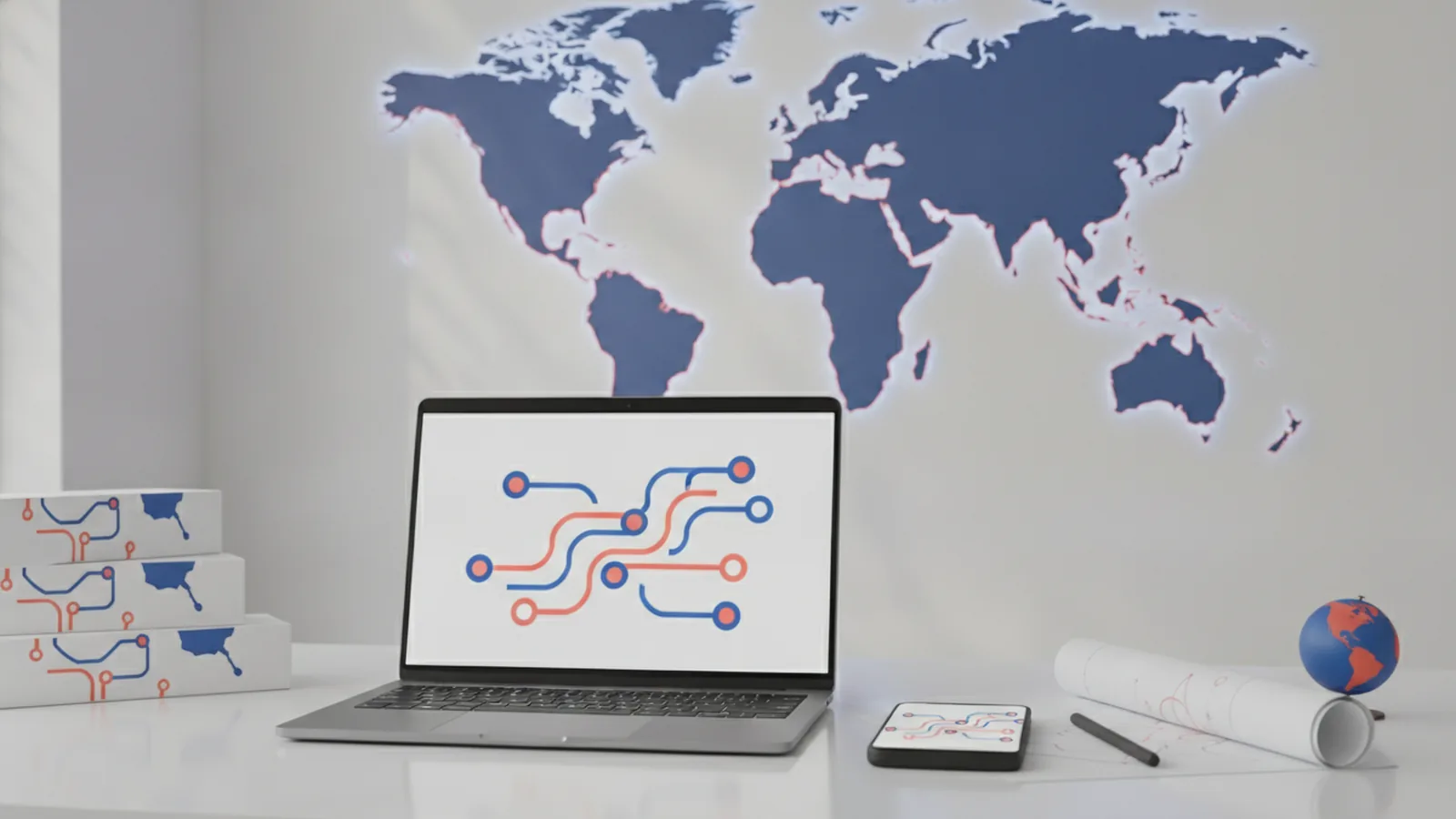
E-commerce is buying and selling over the internet. Most stores use a shop site for browsing and checkout. Many also use phones for quick buying.
So, what are the benefits of ecommerce? It helps sellers reach more people. It helps buyers shop at any time.
These advantages show up in daily choices. Sellers can sell beyond one town. Buyers can compare items without driving.
- Global reach: customers across regions
- Any time buying: no store hours needed
- Fast feedback: buyers and sellers learn quicker
Key benefits for businesses
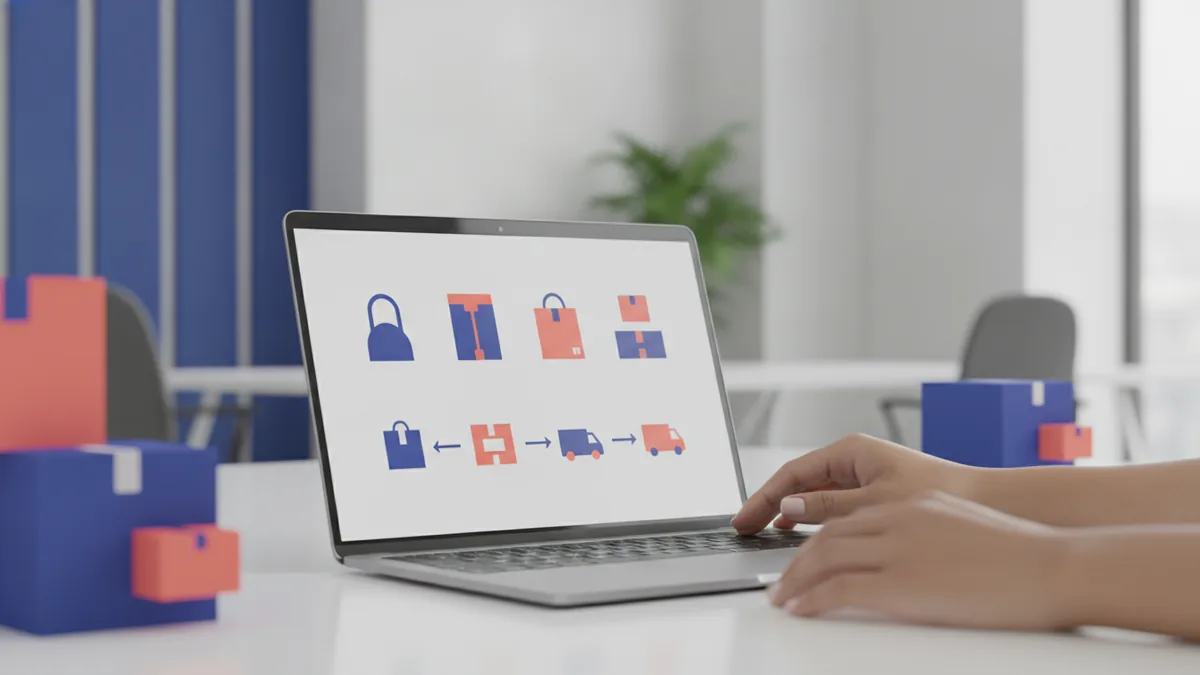
The ecommerce advantages for businesses start with reach. You can sell to people in other cities and countries. This expands your customer base far past local limits.
Another big benefit is digital marketing for real reach. You can run ads and emails, then check what works. Then you can fix what fails, based on results.
E-commerce platforms also track what shoppers do. This data helps you spot demand and adjust faster. It also supports better business sustainability over time.
- Global market access: sell without opening more shops
- Customer engagement: send offers that match interest
- Data insights: learn what sells and when
- Operational efficiency: automate key work
For a small brand, this matters a lot. You can start with one online store and test new ideas. Then you can scale only what gets orders.
It also cuts guesswork. You can see what brings carts to checkout. You can then improve pages and offers.
That is how benefits of ecommerce become real profit.
Key benefits for consumers
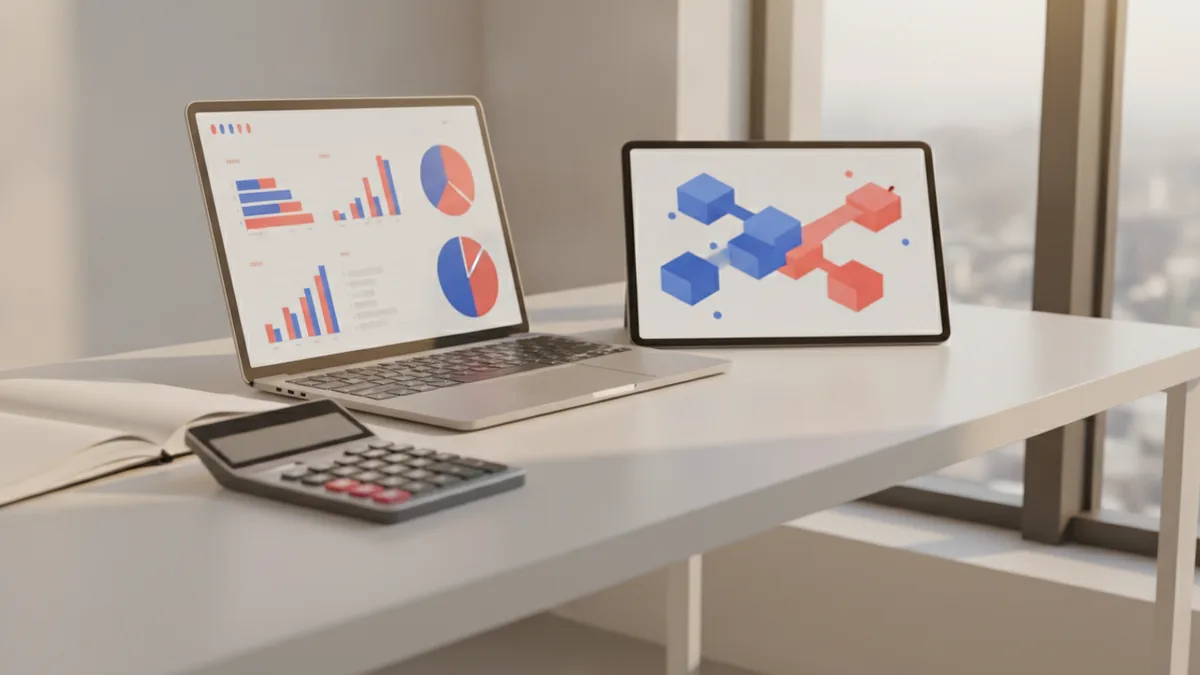
The ecommerce advantages for consumers begin with ease. Online shopping works 24/7. You can buy after work or late at night.
Convenience is not the only win. E-commerce also removes travel needs. You do not have to visit stores to find options.
Cost is another reason. Online stores often have lower overhead than brick stores. So they can offer sharper deals or better promos.
In many cases, buyers can compare prices quickly. They can scan multiple sellers and product types in minutes. That makes competition stronger.
- Search for the item and set a budget
- Compare price, size, and key features
- Check reviews and return rules
- Pick delivery speed and track the order
When shoppers see clear details, they buy with more trust. Then returns drop, and satisfaction rises.
Easy choices lead to fewer regrets.
Market expansion opportunities
E-commerce market growth often starts with simple tests. You can add a new shipping region without new rent. Then you learn if people will buy there.
E-commerce removes geography barriers. Even a small business can reach new buyers abroad. You can use shipping partners and clear product pages to help trust.
Next, pair expansion with digital marketing. Run campaigns that match local interests and search habits. Then use data to adjust offers and store pages.
Track a few numbers to avoid bad moves. Watch conversion rate by region and cost per order. Also watch return rate and support messages.
| Expansion step | What to test | What to watch |
|---|---|---|
| Add a shipping region | Delivery times and fees | Cart to checkout rate |
| Change shop details for a region | Currency and sizing info | Return rate |
| Run focused ad and email plans | Audience interest | Cost per purchase |
Small tests reduce risk. Then the winners get more budget.
Cost efficiency in e-commerce
Cost efficiency is one of the most clear ecommerce benefits. Brick-and-mortar stores pay rent and staff in person. Online shops shift work to tools and managed services.
Many tasks can be automated. Orders can sync with stock. Shipping updates can send on time. Customer emails can also run from rules.
This cuts work per order. It can also lower errors from manual steps. Then savings can flow into price or value.
Lower costs do not mean “always cheapest.” They mean more room to offer better deals. You can fund free shipping, bundle offers, or faster delivery.
- Lower overhead: less store rent and in-store staffing
- More automation: fewer repeat tasks for teams
- Faster changes: test pricing without new shelves
To keep it healthy, track unit costs. Include fees, pick and pack, and returns. Then manage margin, not just sales totals.
Good margin funds growth and stable service.
Enhancing customer experience
Customer experience is the full path to purchase. It starts at product search and ends at delivery. Each step shapes trust.
E-commerce platforms often support helpful tools. Product pages can show clear images and specs. Search can suggest related items. Stock updates can reduce “out of stock” waits.
Great pages also reduce buyer doubt. Size charts and fit notes help people choose well. Shipping time and return rules make expectations clear.
That improves engagement. When buyers find what they need, they browse longer. They also buy more often.
Businesses can learn from shop data too. Watch page views, cart adds, and checkout drops. Then fix the step that breaks customer flow.
Small page fixes can change conversion fast.
Future trends in e-commerce
Future ecommerce advantages will come from smarter tools and smoother delivery. Stores will use more automation for support and stock. They will also aim for faster, more clear shipping updates.
Data will play a bigger role in offers. Stores will learn which items match user needs. They will also adjust price and stock based on signals.
Customer trust will matter more too. Clear returns, fair delivery dates, and good product info will drive loyalty. Buyers will choose shops that make risks feel low.
Business sustainability will also grow in focus. Better demand use can cut waste from overstock. Smarter packing can reduce ship weight and cost.
Mobile buying will keep rising. Shoppers will expect quick load times and easy checkout on phones.
Plan for that now. Then keep improving with each new insight.
Quick summary: what e-commerce changes for both sides
E-commerce shifts buying from fixed places to flexible time. It also shifts selling from local limits to global market access. That is the heart of what are the benefits of ecommerce.
For businesses, the ecommerce advantages for businesses include reach and better data. It also includes lower costs through operational efficiency.
For consumers, the ecommerce advantages for consumers include 24/7 ease and quick price checks. It also includes more choice without store travel.
When the loop works, both sides win. Better trust brings more sales. More sales fund better service.
Frequently asked questions
- What are the benefits of ecommerce for businesses?
- E-commerce benefits for businesses include global market access, lower overhead, and data-driven choice. Stores can also boost customer engagement with digital marketing.
- What are the advantages of ecommerce for consumers?
- Ecommerce advantages for consumers include shopping 24/7, quick price checks, and easy access to many brands. Returns and delivery tracking can also improve peace of mind.
- How does e-commerce help businesses expand into new markets?
- E-commerce lets businesses test new regions by adding shipping and local store details. Then they can watch sales and returns, and adjust quickly.
- Why is e-commerce often cheaper than brick-and-mortar?
- Online stores often face less overhead like rent and on-site staff. This can lower the cost per order, which supports competitive pricing.
- How do e-commerce platforms use data to improve results?
- Most stores track views, cart adds, and purchases. With that data, shops can tune product pages and offers to match demand.
Related reading

How Can You Represent an API in a Diagram?
Map API calls, systems, and responses with diagrams that teams can use and update.

What Is Full Stack Software Development?
See how full stack developers build and connect the parts of modern software.

What Does API Access Mean for Your App or Business?
See how API access works, what it lets you do, and how to keep it safe.