What Is a CP3 Conversion? Diesel Guide
Learn what a CP3 conversion is, how CP3 and CP4 pumps differ, its benefits, fit checks, install steps, and common diesel fuel system faults.
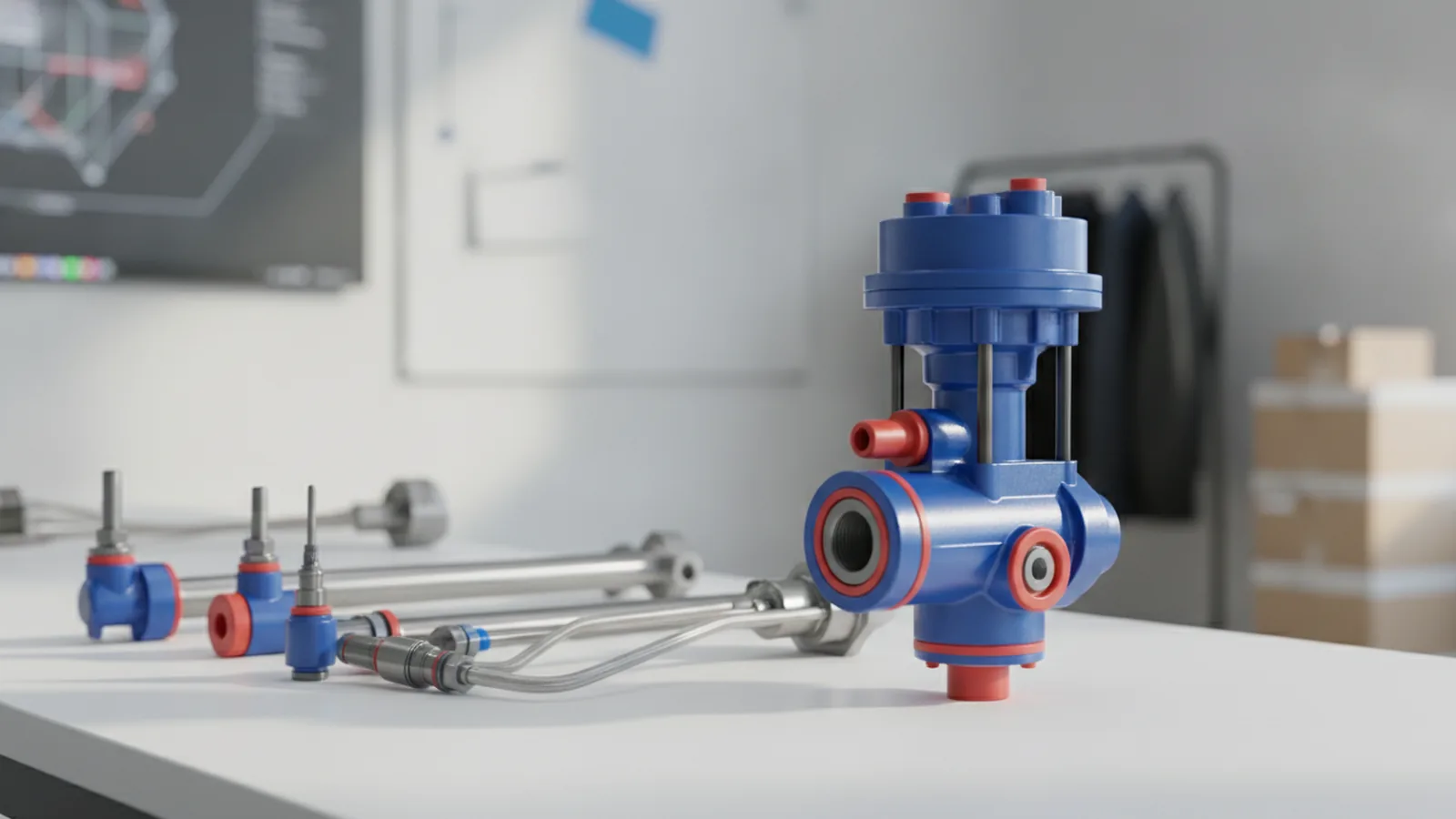
What Is a CP3 Conversion?
A CP3 conversion replaces a CP4 fuel injector pump with a CP3 pump. The swap applies to diesel vehicles with common rail fuel systems. It aims to raise fuel system reliability and lower the risk of costly pump failure.
The CP3 pump can flow about 20% more fuel than a CP4 pump. That extra flow can support more horsepower with the right tune and injectors. The gain is not automatic. Air flow, engine parts, and fuel pressure still set the final limit.
Many owners choose this swap after hearing about CP4 failures. A failed CP4 can send metal dust through the fuel system. That debris may damage injectors, rails, lines, and the tank. A CP3 is often seen as a safer pump when failure prevention matters.
How CP3 and CP4 Pumps Differ
Both pumps raise fuel pressure for diesel injectors. The engine control unit then meters fuel at each injector. The main difference lies in pump design, flow, and failure behavior.
CP4 pumps use a compact design with low drag. This helps fuel economy and cuts engine load. Yet some CP4 pumps have a narrow margin for poor fuel, low lubrication, or wear. A small internal fault can create metal debris.
CP3 pumps use a different piston layout and have a strong track record. They often tolerate demanding use better. Their higher flow also suits tuned engines. The CP3 may draw more power from the engine, but many owners accept that trade-off.
| Feature | CP3 pump | CP4 pump |
|---|---|---|
| Typical fuel flow | About 20% higher | Lower flow |
| Common use | High-demand diesel builds | Stock modern diesel engines |
| Failure concern | Usually less system damage | May spread metal debris |
| Main reason to swap | More flow and peace of mind | Factory fit and lower drag |
Benefits of a CP3 Conversion
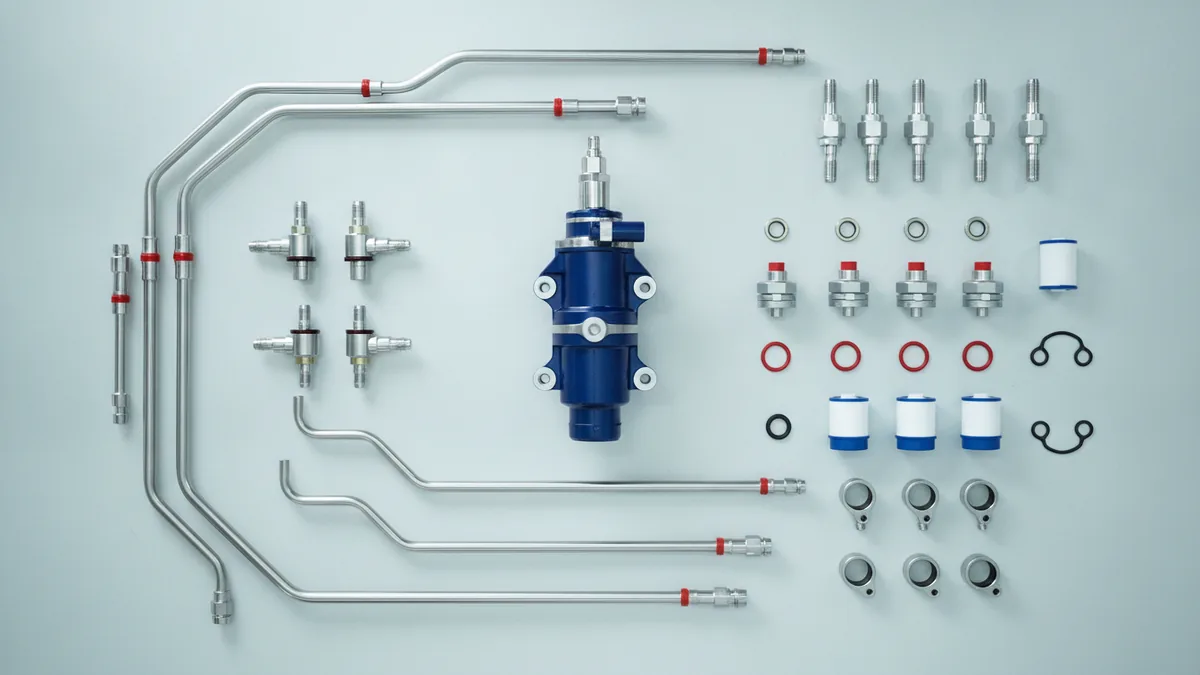
The clearest benefit is greater fuel flow. A CP3 can supply about 20% more volume than a CP4 pump. This helps maintain rail pressure during high load. It can also support a useful horsepower increase after proper tuning.
Reliability is the other major reason for the swap. A CP4 failure can turn into a full fuel system repair. The repair may need a pump, injectors, rails, lines, and tank work. A CP3 failure is still serious, but it is often less damaging to nearby parts.
The swap may also suit towing and modified engines. A larger fuel supply gives the tune more room under load. This can help reduce pressure loss at high engine speed. The result depends on the full engine setup.
- Higher fuel flow for tuned diesel engines
- Better support for added horsepower
- Lower risk of metal spread after pump failure
- Strong fit for heavy towing and high-load use
- More confidence in long-term fuel system use
A conversion does not make every diesel engine faster. The engine needs enough air to use the added fuel. A safe tune must also keep exhaust heat within a sound range. Extra fuel without proper control can harm engine parts.
How the CP3 Pump Works
The CP3 is a high pressure pump in a common rail diesel system. A low pressure pump first sends fuel toward the CP3. The CP3 then compresses that fuel to a very high pressure.
The pump uses three pumping pistons in many common CP3 designs. A cam inside the pump moves those pistons. Each piston draws in fuel and then forces it into the rail. The rail stores pressure for the injectors.
Engine sensors report speed, load, and rail pressure. The engine computer uses that data to control fuel delivery. The injectors open for short periods at the right time. This process helps the engine balance power, noise, and fuel use.
A CP3 conversion keeps much of the stock fuel system in place. The pump mount, gear, lines, and control parts may change. The exact kit depends on the truck, engine, and model year. That is why a direct parts check matters.
Installation Steps and Key Checks
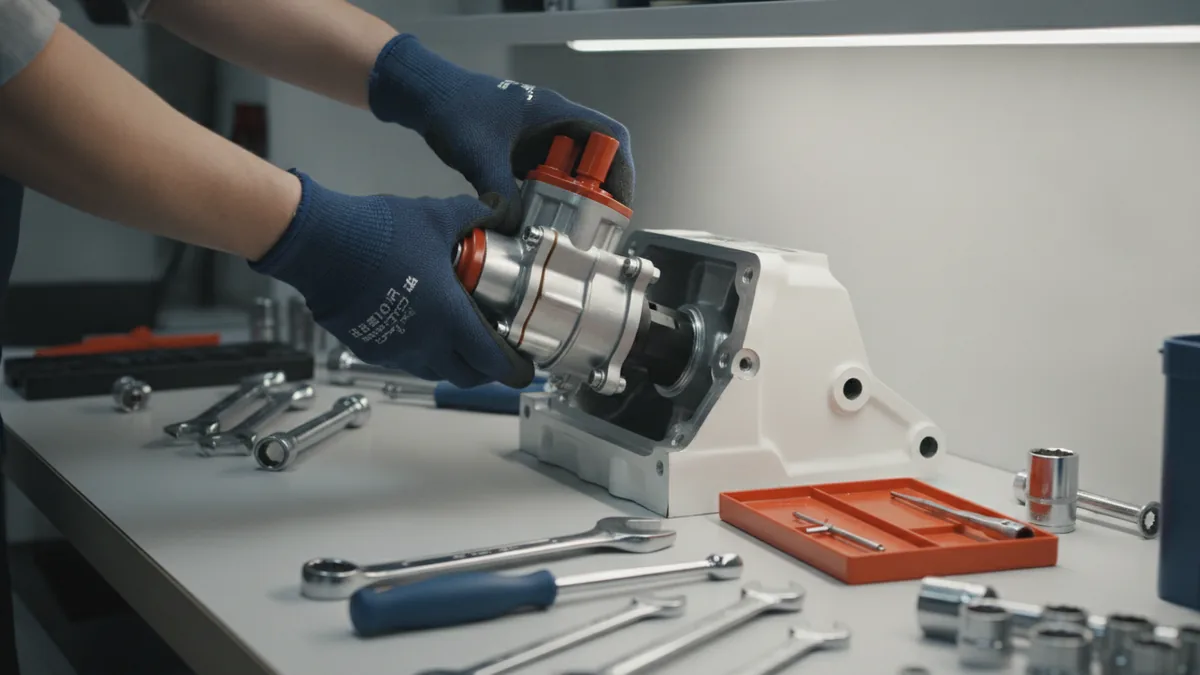
A CP4 to CP3 conversion is not a simple bolt-on job for every vehicle. Some trucks need a mount, gear, lines, or wiring adapter. Other trucks need a different pressure valve or pump control setup. Follow the kit maker's fit guide for the exact engine.
- Confirm the engine code and model year.
- Choose a CP3 kit made for that engine.
- Clean the work area before opening fuel lines.
- Remove the CP4 and inspect the fuel system.
- Fit the CP3 with the correct timing marks.
- Connect the lines, wiring, and pressure parts.
- Prime the system and check for leaks.
- Clear faults and test rail pressure under load.
Clean work is vital during the install. Dirt can harm the pump and injectors. Cap open lines and replace worn seals. Use fresh fuel filters before the first start.
The old CP4 needs close inspection before removal. If it shed metal, replacing only the pump is risky. Debris may remain in the rail, lines, or injectors. A full fuel system cleanout may be needed.
Many conversions also need software changes. The engine computer must read the new pump's control signal. Some kits include a tune or a control module. Do not assume the stock calibration will work.
Checking Fuel Pump Compatibility
Checking fit is the first step in a successful conversion. Start with the engine family, engine code, and model year. Then match the kit to the exact truck or vehicle. Similar engines can still use different mounts and controls.
The CP4.1 and CP4.2 are two CP4 pump versions. The CP4.1 uses one pumping element. The CP4.2 uses two. The CP4.2 often appears in larger engines used in American trucks.
Do not choose a kit by pump name alone. Check the pump gear, mounting plate, fuel lines, and electrical plug. Also check the required rail pressure valve. A mismatch can cause poor starts or fault codes.
- Engine code and model year
- CP4.1 or CP4.2 pump type
- Mount and gear design
- Fuel line and rail fittings
- Electrical plug and pump control
- Required tune or control module
- Available fuel filter and service parts
Ask for written fit data when the truck has engine upgrades. A stock kit may not suit a large turbo or high-flow injectors. Match the pump to the engine's fuel demand. This prevents costly trial and error.
Common Problems and Troubleshooting
A hard start after installation often points to air in the fuel lines. Prime the system by following the vehicle service method. Check each seal and line joint for a leak. Never keep cranking a dry high pressure pump.
A low rail pressure fault can have several causes. The pump control plug may be loose. A pressure valve may be wrong for the kit. A blocked filter or weak lift pump can also limit fuel supply.
Metal in the fuel filter is a warning sign. Stop the engine and inspect the system at once. Do not keep driving to test the fault. More running time can spread debris through the injectors.
| Symptom | Likely checks |
|---|---|
| Long crank | Prime fuel, inspect seals, check air leaks |
| Low rail pressure | Check supply pressure, filter, valve, and wiring |
| Rough idle | Check injector balance and trapped air |
| Metal in filter | Stop use and inspect the full fuel system |
Fuel pressure faults can also come from a weak lift pump. A CP3 cannot fix a poor fuel supply before the pump. Test supply pressure before blaming the new pump. Keep clear test notes for each check.
Use clean fuel and change filters on schedule. Good fuel care supports both pump types. A CP3 conversion lowers one risk. It does not remove the need for sound service.
Is a CP3 Conversion Worth It?
A CP3 conversion can make sense for owners who value fuel system reliability. It also suits diesel engines that need more fuel flow. The choice is less clear for a stock vehicle with a healthy CP4.
Compare the kit price with the cost of a full CP4 failure. Include labor, injectors, rails, lines, and tank cleaning. Then consider the truck's use and planned power level. Towing, tuning, and high mileage can shift the balance.
Choose a kit with clear fit data and sound support. Confirm every part before work begins. A well-matched CP3 can improve flow and reduce failure risk. A rushed install can create new problems.
Frequently asked questions
- What is a CP3 conversion?
- A CP3 conversion replaces a diesel engine's CP4 fuel injector pump with a CP3 pump. The CP3 can offer higher fuel flow and lower risk of widespread damage after failure.
- How much more fuel does a CP3 pump flow?
- A CP3 pump can flow about 20% more fuel than a CP4 pump. That flow may support more horsepower with the right tune and engine parts.
- Why do diesel owners replace CP4 pumps?
- A CP4 can fail and send metal debris through the fuel system. That debris may damage injectors, rails, lines, and the tank.
- How do I know if my diesel supports a CP3 conversion?
- Not every diesel vehicle accepts the same kit. Check the engine code, model year, pump type, mount, lines, wiring, and tune needs.
- What is the difference between CP4.1 and CP4.2?
- The CP4.1 has one pumping element. The CP4.2 has two and often serves larger American truck engines.
- Is a CP3 conversion worth the cost?
- A CP3 conversion may be worthwhile for tuned, high-mileage, or heavy-use diesel engines. Compare the kit and labor cost with the risk of a full CP4 repair.
Related reading

How Do You Start an Ecommerce Company?
Plan, test, launch, and grow an ecommerce business with less guesswork.

What Is Data Conversion, and When Do You Need It?
See how data conversion makes information work across tools and systems.

How Do You Get Started in Graphic Design?
Learn design basics, practice with purpose, and build a portfolio that shows your skills.