What Is a Double Conversion UPS? Guide
Learn what a double conversion UPS is, how it works, and why zero transfer time and clean power suit data centers, hospitals, and networks.
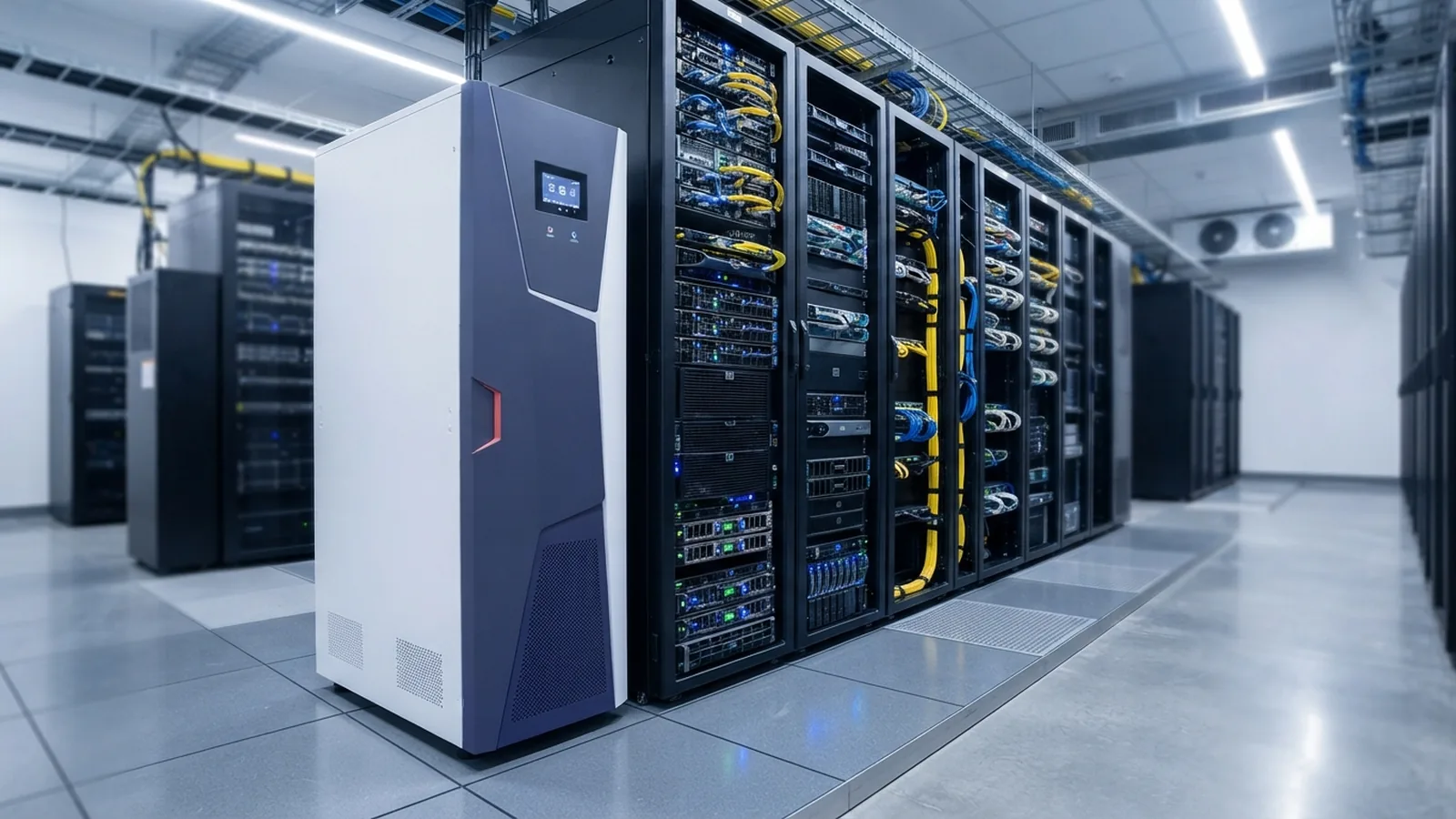
What Is a Double Conversion UPS?
A double conversion UPS is an uninterruptible power supply that rebuilds power in two steps. It changes incoming AC power to DC power, then changes DC power back to clean AC power.
This process keeps the connected load separate from most faults on the utility line. The load sees a steady output, even when the input has surges, sags, noise, or a full outage.
Power stays clean from end to end. That makes this UPS type a strong fit for servers, medical gear, and network cores.
The word “double” describes the two power changes. The word “online” means the inverter feeds the load all the time.
How Double Conversion UPS Technology Works
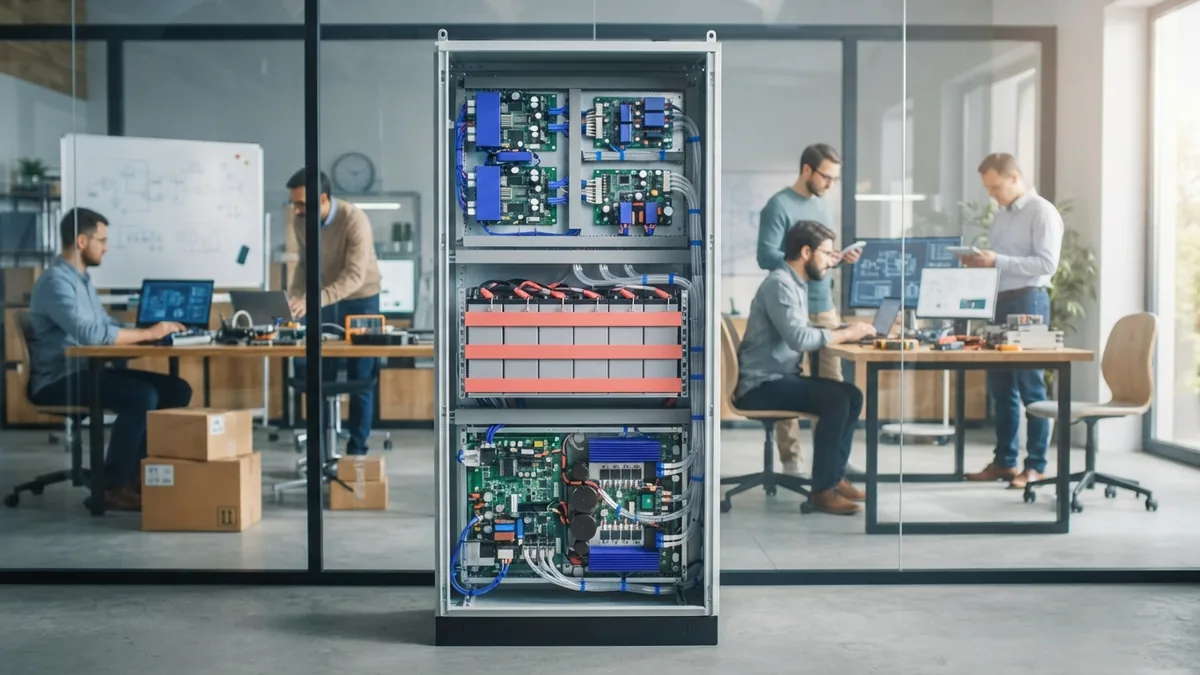
The first stage is the rectifier. It takes AC power from the wall and turns it into DC power. This DC bus then feeds the inverter and charges the battery.
The inverter makes a new AC output for the load. It controls the output voltage and frequency with great care. The load does not need to follow quick changes in the utility supply.
During normal use, the battery rests in a charged state. It does not carry the load for each small power fault. This design can reduce battery wear and service needs.
If the utility fails, the battery feeds the DC bus at once. The inverter keeps making AC power without a transfer gap. This is known as zero transfer time.
- Rectifier: Changes input AC into DC power
- Battery: Stores energy for a utility failure
- Inverter: Changes DC power into stable AC power
- Bypass: Provides another path during an overload or fault
Most double conversion UPS units also have a static bypass. It can move the load to raw utility power during some faults. The bypass helps protect the UPS itself during a short circuit or severe overload.
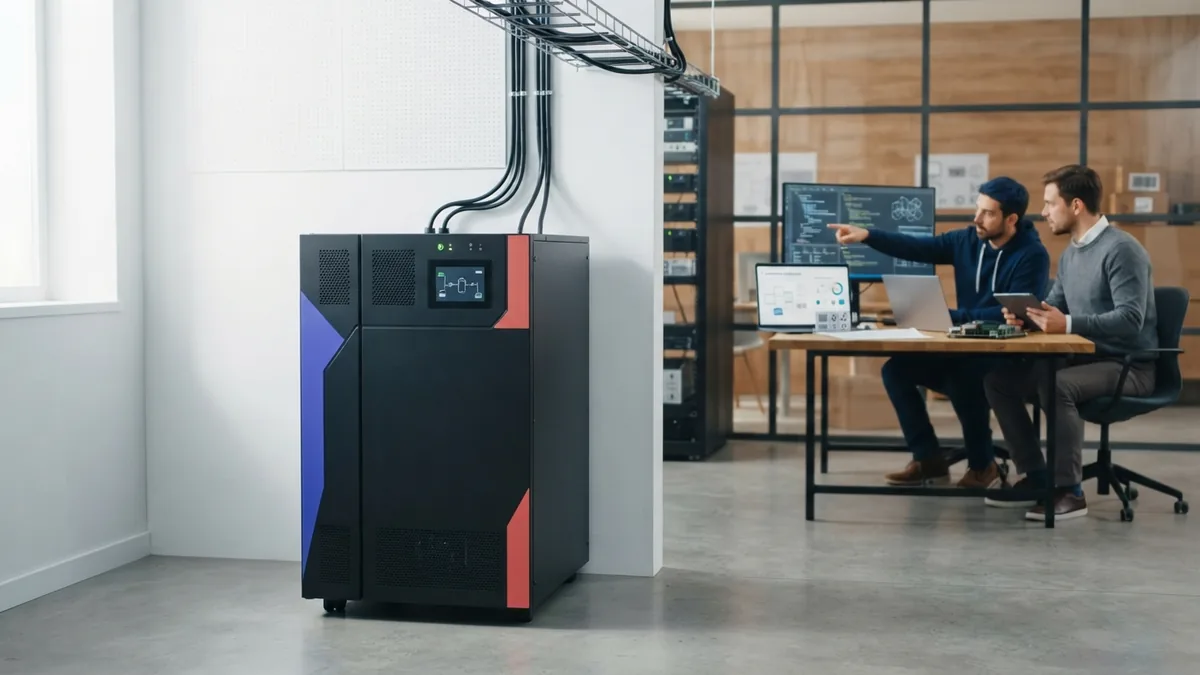
Key Benefits of a Double Conversion UPS
The main benefit is strong power conditioning. The UPS removes many input problems before they reach the load. These problems include voltage dips, spikes, electrical noise, and changes in frequency.
It also protects against complete outages. The battery supports the DC bus, while the inverter keeps the output steady. Sensitive equipment can keep running until a generator starts or systems shut down.
There is no normal transfer delay. That matters for servers, storage systems, and medical devices that may reset during even a short break. Zero transfer time also lowers the risk of failed starts.
Double conversion systems can support longer battery life in some sites. The battery does not cycle for every brief change in line voltage. Less cycling can mean fewer battery replacements and lower upkeep costs.
These benefits come with a tradeoff. The rectifier and inverter run all the time. Older units may waste more power as heat than line-interactive models.
- Clean output for sensitive loads
- Protection from surges, sags, noise, and outages
- Zero transfer time during a power loss
- Stable voltage and frequency control
- Lower battery stress during small power faults
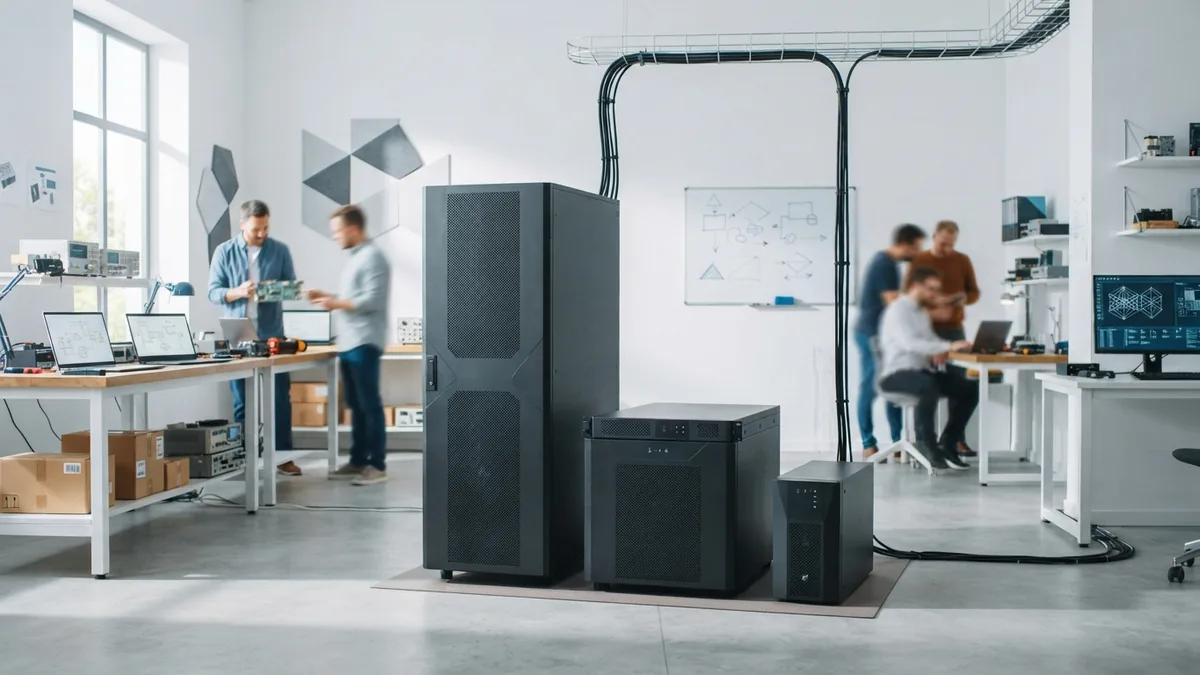
Double Conversion UPS Compared With Other UPS Types
Standby UPS units use utility power during normal conditions. They switch to an inverter when the power fails. This setup costs less, but it offers less power filtering.
A line-interactive UPS adds voltage control to the standby design. It can fix some low and high voltage events without using the battery. It still has a short transfer time when the input fails.
A double conversion UPS gives the cleanest output of these three types. The inverter feeds the load at all times. That makes it better for equipment that cannot accept a power break or poor power quality.
| UPS type | Normal load path | Power filtering | Transfer time |
|---|---|---|---|
| Standby | Utility line | Low | Short delay |
| Line-interactive | Utility line with voltage control | Medium | Short delay |
| Double conversion | Inverter at all times | High | Zero |
Efficiency can shape the choice. A modern online UPS may offer an eco mode or high-efficiency mode. These modes can cut losses, but they may reduce the level of power isolation.
For a small office PC, standby or line-interactive gear may be enough. For a large server rack, cleaner power and zero transfer time often matter more than a small energy saving.
Common Double Conversion UPS Applications
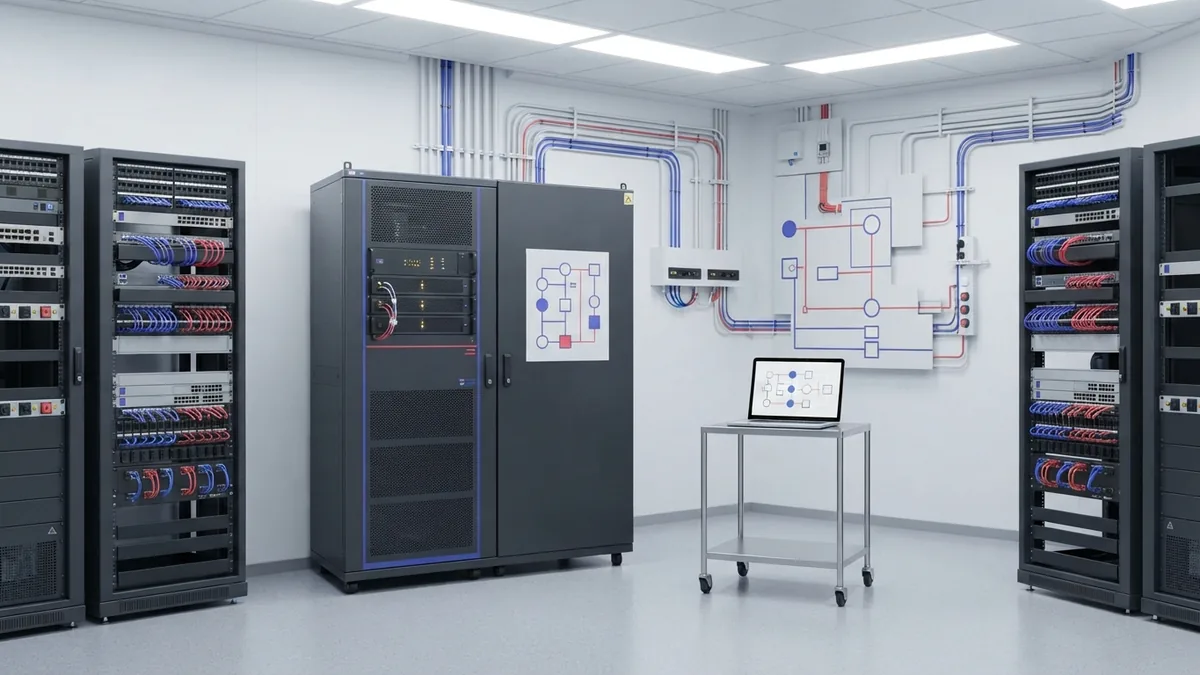
Data centers use online UPS systems to protect servers, storage, and network links. A power fault can halt many services at once. The UPS gives staff time to start backup power or shut systems down in order.
Hospitals use this design for critical care gear, lab tools, and key network systems. The right UPS must match the site rules and the needs of each load. A UPS does not replace a full emergency power plan.
Communication networks also need constant uptime. Core routers, radio systems, and network control rooms may run through storms and grid faults. Clean output helps reduce resets and link drops.
Other good fits include banks, trading rooms, industrial controls, and security systems. The best choice depends on load size, runtime, power quality, and service goals.
- Data centers and server rooms
- Hospitals and medical labs
- Telecom and network control sites
- Industrial process and control systems
- Financial and security operations
How to size one
Start with the load in watts, not only the VA rating. Add the draw from servers, switches, storage, and support gear. Then allow room for growth and startup peaks.
Next, set the needed runtime. Ten minutes may cover a generator start. Thirty minutes may support a safe shutdown or a longer grid event.
Check battery age, room heat, and service access. High heat can shorten battery life. A clear maintenance plan helps keep the system ready.
Frequently Asked Questions
Does a double conversion UPS give zero transfer time?
Yes. The inverter feeds the load during normal use and during a utility outage. The battery supports the inverter without a load transfer.
Does it protect against power surges?
Yes. It filters many surges and other line faults through its rectifier and inverter. Site-level surge gear may still be needed for large lightning events.
Is a double conversion UPS more efficient than a line-interactive UPS?
Not in every operating mode. Line-interactive units often use less power at light loads. Double conversion units provide cleaner output and stronger fault control.
How long do the batteries last?
Many sealed lead-acid batteries last about three to five years. Heat, deep discharge, and poor charging can shorten that span. The UPS itself may last much longer with proper service.
Can it run a generator?
Yes, if the UPS and generator work well together. Check input range, frequency control, load size, and generator capacity before purchase.
Conclusion: When Double Conversion Is Worth It
Double conversion UPS technology provides clean, steady power for critical loads. It converts AC to DC and back to AC at all times. This design blocks many power faults before they reach sensitive equipment.
Its strongest features are zero transfer time, tight voltage control, and broad protection. It can also limit battery cycling during small line faults. These gains can lower risk and service costs over the life of the system.
The tradeoff is a higher purchase price and possible energy loss. Choose it when downtime costs more than the added UPS cost. For data centers, hospitals, and core networks, that choice is often clear.
Frequently asked questions
- Does a double conversion UPS give zero transfer time?
- Yes. The inverter feeds the load during normal use and during a utility outage. The battery supports the inverter without a load transfer.
- Does a double conversion UPS protect against power surges?
- Yes. It filters many surges and other line faults through its rectifier and inverter. Site-level surge gear may still be needed for large lightning events.
- Is a double conversion UPS more efficient than a line-interactive UPS?
- Not in every operating mode. Line-interactive units often use less power at light loads. Double conversion units provide cleaner output and stronger fault control.
- How long do double conversion UPS batteries last?
- Many sealed lead-acid batteries last about three to five years. Heat, deep discharge, and poor charging can shorten that span.
- Can a double conversion UPS run with a generator?
- Yes, if the UPS and generator work well together. Check input range, frequency control, load size, and generator capacity first.
Related reading
What Is WooCommerce and How Do You Use It?
See how WooCommerce turns a WordPress site into an online store.

What Should You Sell on Ecommerce?
Find product ideas, check demand, and test your offer before you invest.

Is Web Development Dying, or Just Changing?
Web development is changing fast, but skilled developers still have room to grow.