How to Start an Ecommerce Company
Learn how to choose a niche, test products, pick a business model, build your store, meet legal rules, and attract your first ecommerce customers.

Introduction to Ecommerce
Ecommerce lets you sell goods or services through an online store. You can run a small shop from home or build a larger brand with staff and stock. The right first step is to find a real buyer need, then test whether your offer can meet it at a profit.
Global ecommerce sales were expected to exceed $4 trillion in 2020. That figure shows the scale of online buying, not the income a new shop can expect. Results depend on demand, costs, service, and the strength of your offer. A narrow launch gives you room to learn before you invest more.
If you are asking how to start an ecommerce company, begin with a customer group and a product idea. Ecommerce how to start searches often focus on tools first. Yet a store platform cannot make weak demand strong. Start by checking who might buy and why they would choose you.
Step-by-Step Guide to Starting

Write a one-page plan before you build. Name the buyer, the problem, the product, and your reason to stand out. Add rough costs for stock, packing, shipping, fees, returns, and marketing. This first check can reveal whether each sale may leave enough profit.
Next, talk with likely buyers and review competing shops. Look for poor fit, thin product details, slow delivery, or repeated complaints. Social likes alone do not prove demand. Seek stronger signs, such as email signups, paid test orders, or preorders where local rules allow.
- Choose one customer group and one problem to solve.
- Research products, rivals, suppliers, and likely costs.
- Test one offer before you buy much stock.
- Choose a business model and store platform.
- Set up payment, shipping, returns, and key business records.
- Launch, track results, and improve the offer.
Set a clear test budget and a time limit. You might test one product range for six weeks. Track visits, orders, returns, and profit during that time. Choose these measures before launch, so busy work does not look like progress.
To learn how to start an online ecommerce business, keep the first launch small. You do not need a wide catalog or a costly office. A focused offer can show whether your idea works. Add range and spend only when buyers give you a sound reason.
Choosing an Ecommerce Business Model
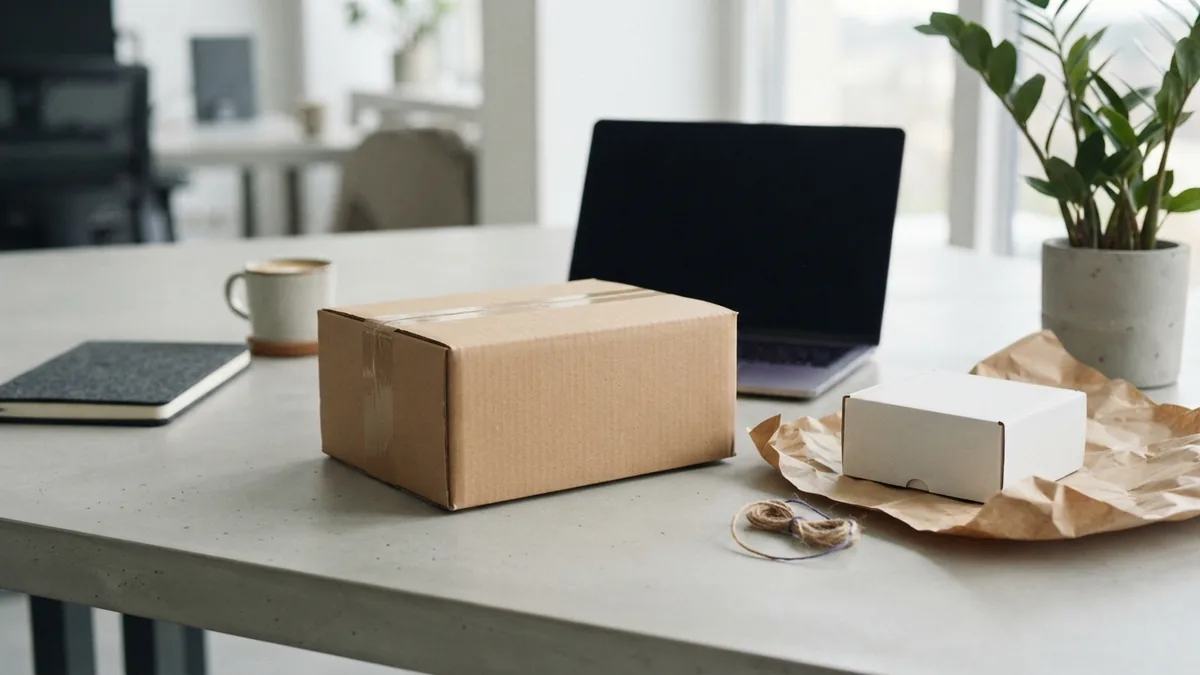
Your business model shapes costs, control, and daily work. With dropshipping, a supplier sends orders to buyers. You avoid holding stock, but have less control over packing, delivery times, and quality. Order samples and check shipping terms before listing supplier goods.
Private label means selling goods made by another firm under your brand. It can help your offer stand out, but often needs more cash for stock and packaging. Wholesale resale is another option. You buy goods in bulk, then sell them at a higher price.
Handmade or made-to-order goods can keep stock needs low. Each order may take more of your time, though. Compare each model by control, cash needs, supplier terms, and the risk of unsold goods. A low entry cost does not always mean a good fit.
Build a cost sheet before you pick a model. Add the item cost, packing, delivery, platform fees, payment fees, and likely returns. Compare the total with your planned price. If the margin is thin before marketing, seek a better supplier or a different product.
Finding Your Niche and Products

A niche is a clear group of buyers with shared needs. It makes customer targeting easier and helps shape your product range and brand. “Home goods” is broad. “Compact storage for renters in small flats” gives you a sharper place to start.
Use market research to find demand and gaps. Read reviews, search forum questions, compare shop ranges, and note what buyers cannot find. Search trends can show rising interest, but a short spike may fade. Look for steady need, repeat buying, or a problem people will pay to solve.
Check each product before placing a large order. Ask suppliers for samples and inspect quality, packing, and delivery time. Work out your full cost, including shipping and fees. Then test a small batch or preorder offer, where local rules allow.
- Can you name the buyer and the need?
- Can you say why your offer differs from rivals?
- Will the price cover stock, delivery, fees, and returns?
- Can your supplier meet your quality and delivery needs?
- Can you store, ship, and support the product?
Fragile, bulky, and seasonal goods can bring added risk. They may cost more to ship, break more often, or sell unevenly. Start with a small range that you can manage. Add products when buyers ask for them or test data supports the choice.
Setting Up Your Online Store

Choosing an ecommerce platform is part of how to start an ecommerce store. Shopify, Magento, and BigCommerce are common options, but each serves different needs. Compare monthly costs, payment tools, shipping features, design choices, and room to grow. A platform should fit your work, not add needless tasks.
When planning how to start an ecommerce website, make the buying path easy to follow. Use clear product names, useful photos, prices, delivery details, and return terms. Test the store on a phone as well as a computer. Check that each step works, from product search to order confirmation.
For how to start ecommerce site planning on a tight budget, use a small catalog and a basic theme. If you want to know how to start ecommerce with no money, be realistic: payment, delivery, and product costs still exist. You can lower risk with preorders or made-to-order goods. Check local rules and supplier terms first.
Set up a domain name that is easy to say and spell. Keep your brand name consistent across the store and social channels. Add a contact method, shipping details, privacy terms, and a clear return policy. Before launch, place a test order and check every message a buyer receives.
People asking how to start your own ecommerce website should choose tools they can manage. Do not add paid features until you know what task they solve. A simple store that loads well and explains the offer is more useful than a feature-heavy build that confuses buyers.
Legal and Administrative Steps
Legal rules depend on where your business and buyers are based. Pick a business structure that fits your needs, such as a sole owner setup or a limited company. Each choice can affect taxes, personal risk, and record keeping. Ask a local accountant or lawyer when the choice is unclear.
Check whether you need a business license, tax registration, or permission to sell certain goods. Register your business name if your local rules require it. Keep sales, costs, supplier invoices, and tax records in order from the start. Rules for sales tax, privacy, and returns can vary by place.
Do not copy another shop’s policies or product claims. Make sure your product details are accurate and your delivery promises are realistic. Keep supplier terms and proof of purchase. These records can help you handle disputes and spot cost changes.
The U.S. Small Business Administration offers a business launch checklist for U.S. firms. It covers steps such as registration, permits, and tax setup. Use the rules for your own area as the final source, since legal needs differ by location.
Marketing Your Ecommerce Business
Marketing helps the right buyers find your store. Start with one or two channels that fit your audience. Social media can show product use and answer questions. Search engine work can help product pages appear for useful searches. Email can bring past visitors back when you have their consent.
If you are asking how to advertise ecommerce store offers, start with a small test. Choose one product, one audience, and one clear message. Set a spend limit and track visits, orders, and sales cost. Pause ads that bring clicks but no useful action.
To decide how to start content for ecommerce, answer buyer questions in product pages, guides, and short posts. Explain size, use, care, delivery, and returns. Keep each piece tied to a real product or buyer concern. Useful content can support search and help shoppers decide.
Measure what happens after each campaign. A sale is not enough if costs leave no profit. Track average order value, returns, repeat purchases, and the cost to get a customer. Use those results to refine your offer and spend.
Is an ecommerce store worth it? It can be, when buyers want the product and the numbers work. To learn how to start doing ecommerce, test one offer, serve early buyers well, and build from evidence. The first goal is not a huge store. It is a store that can make a sound sale again.
Step-by-step
- 01 Choose a buyer and need
Name one customer group and a need they want to solve. Keep the first offer focused.
- 02 Research products and rivals
Read reviews, compare shops, and speak with likely buyers. Look for clear demand and gaps.
- 03 Test the offer
Use samples, a small batch, or preorders where allowed. Check interest before making a large stock buy.
- 04 Pick a business model
Compare stock needs, control, supplier terms, and likely margins. Choose a model you can run well.
- 05 Build and check the store
Choose a platform, add clear product details, and set payment and shipping rules. Place a test order before launch.
- 06 Launch and track results
Promote the offer through a small number of channels. Track sales, costs, returns, and buyer feedback.
Frequently asked questions
- How do I start an ecommerce store?
- Choose a buyer and product, test demand, then select a business model and platform. Set up payments, shipping, returns, and local business records before launch.
- How much money do I need to start an ecommerce business?
- Costs depend on the product, model, platform, and shipping plan. Start with a budget for samples, fees, packing, and marketing, then test a small offer.
- Can I start an ecommerce store with no money?
- A store still has costs, including payment fees and product delivery. Preorders or made-to-order goods can lower stock costs, but check local rules and supplier terms.
- Which ecommerce business model should I choose?
- Compare dropshipping, private label, wholesale, and made-to-order selling. Pick the model that fits your cash, desired control, supplier access, and available time.
- How can I advertise an ecommerce store?
- Test one channel, product, and audience at a time. Track orders and sales cost, then pause campaigns that bring visits without useful sales.
Related reading

What Is Data Conversion, and When Do You Need It?
See how data conversion makes information work across tools and systems.

How Do You Get Started in Graphic Design?
Learn design basics, practice with purpose, and build a portfolio that shows your skills.

How Do APIs Work? A Guide for App Developers
See how APIs connect apps, move data, and help developers build useful features.