What Is Multichannel Ecommerce? Benefits and Strategy
Learn what multichannel ecommerce means, why it matters, its main risks, top sales platforms, and steps for smooth stock and order control for growing brands.
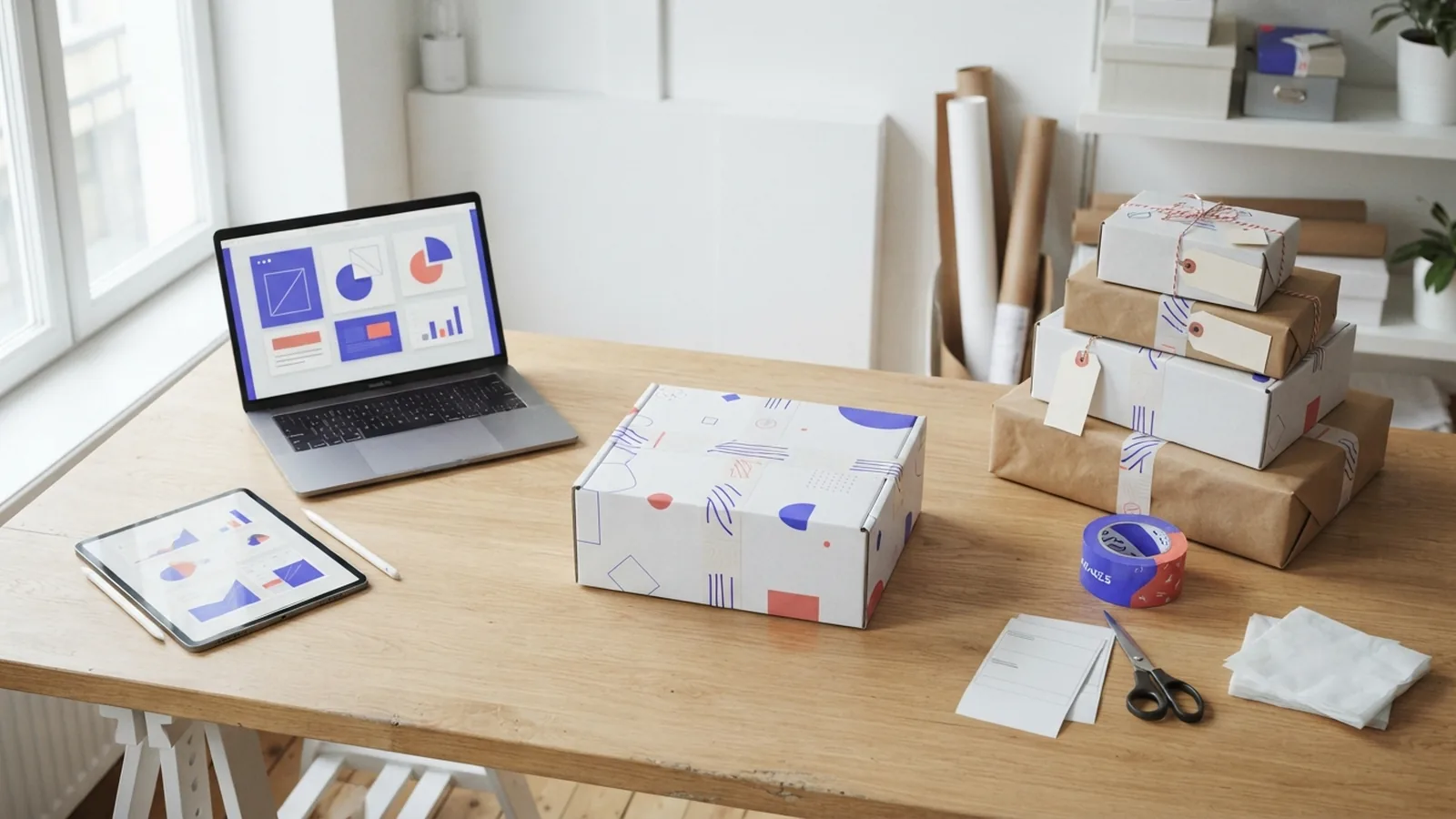
What Is Multichannel Ecommerce?
Multichannel ecommerce means selling the same products through several sales channels. These channels may include your website, online marketplaces, and social media shops. Each channel gives shoppers another way to find and buy your products.
A brand might sell through Shopify, Amazon, eBay, Walmart, Instagram, and Facebook. It may also take orders through a mobile app or a live shopping stream. The key point is simple. The business reaches buyers in more than one place.
This multichannel ecommerce definition differs from multi-vendor ecommerce. Multi-vendor stores host products from many sellers on one site. Multichannel stores sell one business's products across several sites or tools.
- Your website gives you more control over the brand and customer data.
- Marketplaces bring ready shoppers who already trust the platform.
- Social channels help people discover products during daily browsing.
Multichannel selling does not require the same setup on every channel. Each channel can have its own content, price, and sales goal. Still, stock and order data must stay in sync.
Why Multichannel Selling Keeps Growing
Shoppers now move between search, marketplaces, social feeds, and brand sites. They may find a product on Instagram, compare it on Amazon, then buy from the brand site. A single sales path no longer fits every buyer.
That shift helps explain the expected rise in multichannel sales. Growth forecasts vary by market and product type. Yet the direction is clear. More brands now spread sales across several digital channels.
Wider reach is one reason. A marketplace can expose a small brand to millions of active shoppers. Social commerce can reach users who were not searching for a product.
Channel choice also helps brands serve different customer groups. A price-led buyer may prefer Walmart. A gift buyer may respond to a visual post on Instagram. A repeat buyer may choose the brand's own site.
The Main Benefits of Multichannel Ecommerce
The benefits of multichannel ecommerce go beyond gaining more web traffic. Each strong channel can support a different part of the buying journey. Together, they can create a steadier flow of sales.
More channels also reduce dependence on one source of revenue. If a marketplace changes its rules, your site and social shop can still serve buyers. This balance can lower risk during busy seasons or platform changes.
- Broader reach: Meet shoppers where they already search, browse, and buy.
- Better brand visibility: Show your products in more feeds, results, and store pages.
- More customer choice: Offer familiar payment, delivery, and return paths.
- Stronger sales data: Compare channel results and spot demand patterns.
- Higher repeat potential: Move loyal buyers toward your own store and email list.
Multiple channels can also improve sales testing. You can test a product title on Amazon and a video on TikTok. You can then keep the ideas that lead to more clicks or orders.
Do not treat every channel as a copy of your website. Marketplaces need clear facts and strong reviews. Social shops need quick hooks and useful visuals. Your core offer stays the same, but the message should fit the channel.
Common Challenges in Multichannel Ecommerce
The biggest challenge is keeping facts aligned. Product titles, prices, images, stock counts, and shipping rules may change often. A small mismatch can cause cancelled orders or poor reviews.
Inventory management becomes harder as order volume grows. The same item may sell on Amazon and your site within seconds. Without inventory synchronization, both channels may promise stock that no longer exists.
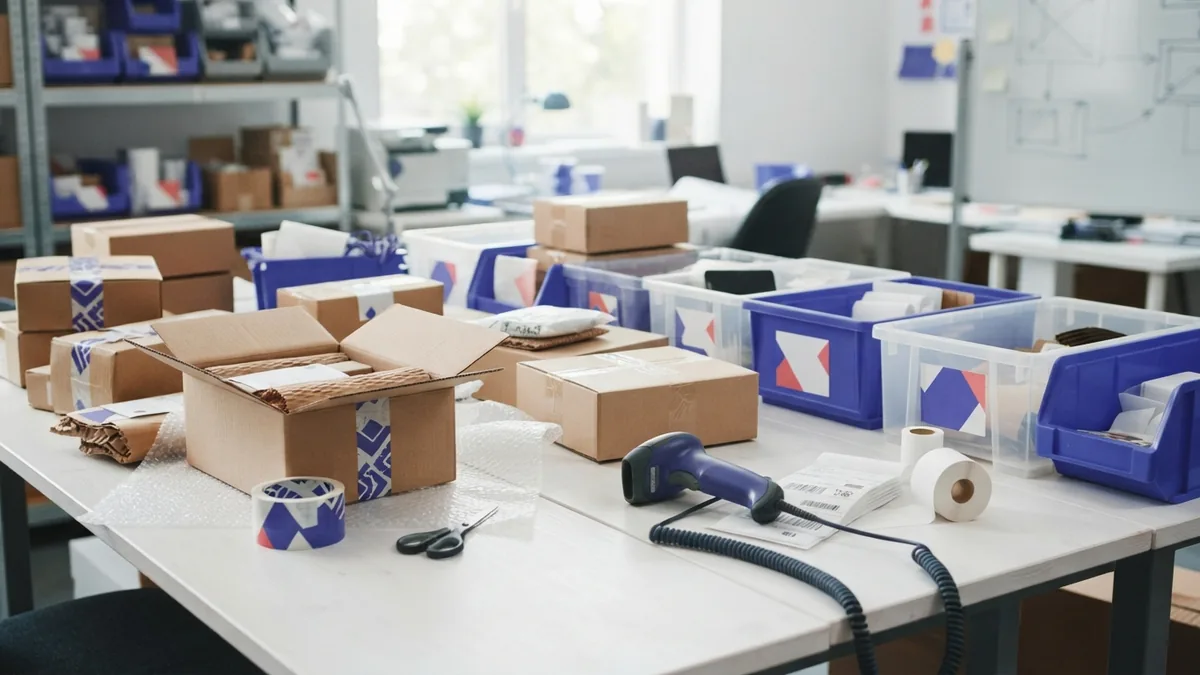
Order fulfilment creates another strain. Each channel may use different labels, cut-off times, and return rules. Your team needs one clear process for picking, packing, shipping, and refunds.
Channel fees can also cut into profit. A sale may include a listing fee, payment fee, ad cost, and fulfilment charge. Track the full cost before calling a channel successful.
Customer support can become scattered too. One buyer may ask a question through Facebook and open a return through Amazon. Give staff one view of orders, messages, and case status where possible.
Key Platforms for Multichannel Selling
The best multichannel selling platforms depend on your products, market, and team size. Start with channels that match buyer intent. Add more only when you can keep service quality high.
| Platform | Best use | Watch for |
|---|---|---|
| Shopify | Owned store and brand growth | Traffic and marketing costs |
| Amazon | High buyer demand and broad reach | Fees, rules, and strong competition |
| eBay | Used goods, niche items, and auctions | Variable buyer intent and seller standards |
| Walmart | Value-led shoppers and large reach | Strict fulfilment and listing needs |
| Visual discovery and social commerce | Content quality and changing reach | |
| Community reach and simple product discovery | Trust, support, and ad spend |
Your own store should often remain the central hub. It gives you more control over checkout, content, and repeat sales. Marketplaces then work as reach and discovery tools.
Do not launch all six channels at once. Pick one owned channel and one marketplace first. Add a social channel after your stock and order flow work well.
How to Build a Successful Multichannel Strategy
Start by mapping your products and buyers. List each product's margin, demand, size, and delivery needs. Then match each item to channels where buyers are likely to value it.
- Choose a small channel mix. Start with your website plus one marketplace or social channel.
- Set one product record. Store the title, images, price, stock, and key facts in one source.
- Connect your sales tools. Use integrated ecommerce software to share stock and order updates.
- Set channel rules. Define prices, shipping times, return terms, and content limits for each channel.
- Test the full order path. Place sample orders and check payment, stock, delivery, and refunds.
- Track useful measures. Review sales, margin, return rate, ad cost, and late shipment rate.
- Scale with care. Add a channel only after the current process stays stable.
An integrated management tool can prevent operational chaos. It should pull orders into one view and send stock changes back to each channel. Some tools also manage listings, shipping labels, returns, and customer messages.
A PIM (product information management) tool can help larger catalogs. It keeps product facts in one place. It can then send the right version to each store and marketplace.
Set a clear owner for every task. One person may own product data. Another may own fulfilment. Clear roles stop missed updates when sales rise.
How to Keep Operations Under Control
Build a shared order flow before you spend more on ads. Every order should move through the same basic stages. Those stages may include paid, picked, packed, shipped, delivered, and returned.
Set stock buffers for channels with slow data updates. For example, you might show 95 units when the warehouse holds 100. The five-unit buffer can reduce overselling during demand spikes.
Use one naming system for products and variants. A blue shirt in size medium must have the same code everywhere. This simple step makes stock matching much safer.
Review channel data each week. Look for late orders, cancelled orders, low-margin products, and rising return rates. Fix the weak step before adding more volume.
Keep customer promises consistent where they should be consistent. A product should not have very different delivery times without a clear reason. Buyers forgive limits more easily than surprise changes.
What Comes Next for Multichannel Ecommerce?
More shopping journeys will begin outside a brand's own site. Social video, creator content, search tools, and marketplaces will keep shaping product discovery. Brands will need useful content wherever buyers choose to browse.
Automation will also play a larger role. Better tools can flag low stock, update listings, and route orders to the right warehouse. Human review still matters for prices, claims, and customer care.
Personal offers may become more common across channels. A shopper who viewed hiking gear may see a related offer later. Brands must use such data with care and clear permission.
The strongest strategy will balance reach with control. Marketplaces can bring new buyers. Your own store can build lasting ties. Good systems connect both sides without making the customer experience feel split.
Multichannel ecommerce works best as an operating model, not a list of accounts. Pick channels with a clear purpose. Keep data linked. Measure profit, not sales alone.
Frequently asked questions
- What is multichannel ecommerce?
- Multichannel ecommerce means selling products through several channels. These may include a brand website, marketplaces, and social media shops.
- What are the benefits of multichannel ecommerce?
- The main benefits include wider reach, stronger brand visibility, and more buying choices. Multiple channels can also reduce reliance on one source of sales.
- What are the main challenges of multichannel ecommerce?
- Common challenges include stock sync, order fulfilment, product data, fees, and customer support. Poor links between tools can lead to overselling and late orders.
- Which platforms are used for multichannel selling?
- Common platforms include Shopify, Amazon, eBay, Walmart, Instagram, and Facebook. The right mix depends on your products, buyers, and team capacity.
- How do businesses manage multiple ecommerce channels?
- Businesses often use integrated management software for stock, listings, orders, shipping, and returns. They should also keep one trusted product record.
- What is the difference between multichannel and omnichannel ecommerce?
- Multichannel ecommerce uses several sales channels that may work with limited links between them. Omnichannel ecommerce joins those channels into one connected customer journey.
Related reading

What Does a Full Stack Software Developer Do?
See what full stack developers do, what they need to learn, and where the role can lead.

Is Ecommerce Growing, and Why Does It Matter?
Learn what drives ecommerce growth and where online stores can stumble.

What Is a Headless API, and How Does It Power eCommerce?
See how headless APIs link flexible storefronts with eCommerce back ends.