Pure Play Ecommerce: Meaning, Pros, Cons & More
Learn what pure play ecommerce means, how it works, and its main pros and cons. See examples, key features, costs, and tips for choosing this model.

What Is Pure Play Ecommerce?
Pure play ecommerce means a business sells only through online channels. It has no physical retail store or shop floor. The business may use its own website, an online marketplace, or social media platforms.
This pure play ecommerce definition separates online-first firms from stores with both shops and websites. A pure play online retailer builds its sales, service, and brand around digital access. Customers browse products, pay online, and receive orders through delivery networks.
Amazon began as a pure online bookseller before expanding into many product areas. ASOS, Wayfair, and Zalando also show how this model can scale. Their main customer touchpoints exist online.
Why Businesses Choose the Pure Play Model

The advantages of pure play ecommerce start with lower store costs. A company does not need retail rent, shop fixtures, or in-store staff. It can put more money into stock, marketing, software, and delivery.
An online store can also reach customers far beyond one local area. A small brand can sell across a country without opening new branches. With the right shipping setup, it can reach buyers in other markets.
Digital stores can change faster than physical shops. Teams can test prices, product layouts, and offers within days. They can use data analysis to spot trends and improve the buying path.
- Lower fixed costs than a store-led model
- Wider reach across regions and countries
- Fast testing of prices, offers, and product pages
- More room for tailored shopping journeys
- Clear data on visits, sales, and repeat orders
The Main Disadvantages to Plan For
The disadvantages of pure play ecommerce can appear as the business grows. Online markets are crowded, and shoppers can compare prices in seconds. A new brand must work hard to earn trust and stand out.
Brand awareness can also take time to build. A physical shop gives a brand a place that people see each day. An online firm must gain attention through search, social media, paid ads, email, or partnerships.
Fulfillment creates another major challenge. The firm must store goods, pick orders, pack boxes, and manage returns. A late delivery or poor return process can harm trust quickly.
- Strong price pressure from rival online sellers
- High costs for customer acquisition and paid traffic
- Complex stock, shipping, and return tasks
- Less personal contact with shoppers
- Dependence on website uptime and third-party platforms
Key Features of Pure Play Online Retailers

A strong digital storefront sits at the center of this model. It should load fast, work well on phones, and make products easy to compare. Clear photos, useful details, and simple checkout all reduce lost sales.
Inventory management must link closely with the store. Buyers need accurate stock updates before they place an order. Poor stock data can cause cancelled orders, refunds, and extra service work.
Customer service also happens through digital tools. Chatbots can answer simple questions at any hour. FAQs, email, live chat, and help desks handle harder issues.
Data helps teams learn what customers need. They can track search terms, cart exits, repeat orders, and return rates. These insights can guide better marketing and smoother customer experiences.
| Feature | What it supports |
|---|---|
| Digital storefront | Product discovery and checkout |
| Stock control | Accurate availability and order flow |
| Fulfillment system | Picking, packing, shipping, and returns |
| Help desk tools | Fast answers and issue tracking |
| Data tools | Better offers and customer journeys |
Examples of Pure Play Ecommerce Companies
Amazon is a well-known example, though its wider business now includes many other services. In its early years, it sold books through one online channel. That focus helped it grow without a store network.
ASOS sells fashion through its online platform. Wayfair focuses on furniture and home goods. Zalando serves fashion shoppers across many European markets.
These companies differ in size and product range. Still, each built its main sales engine online. They use digital marketing, product data, and delivery systems to support growth.
- Amazon: Started with online books before adding broad product lines
- ASOS: Online fashion retail with a strong youth focus
- Wayfair: Home goods sold through a large online catalog
- Zalando: Fashion ecommerce across European markets
How Pure Play Ecommerce Works
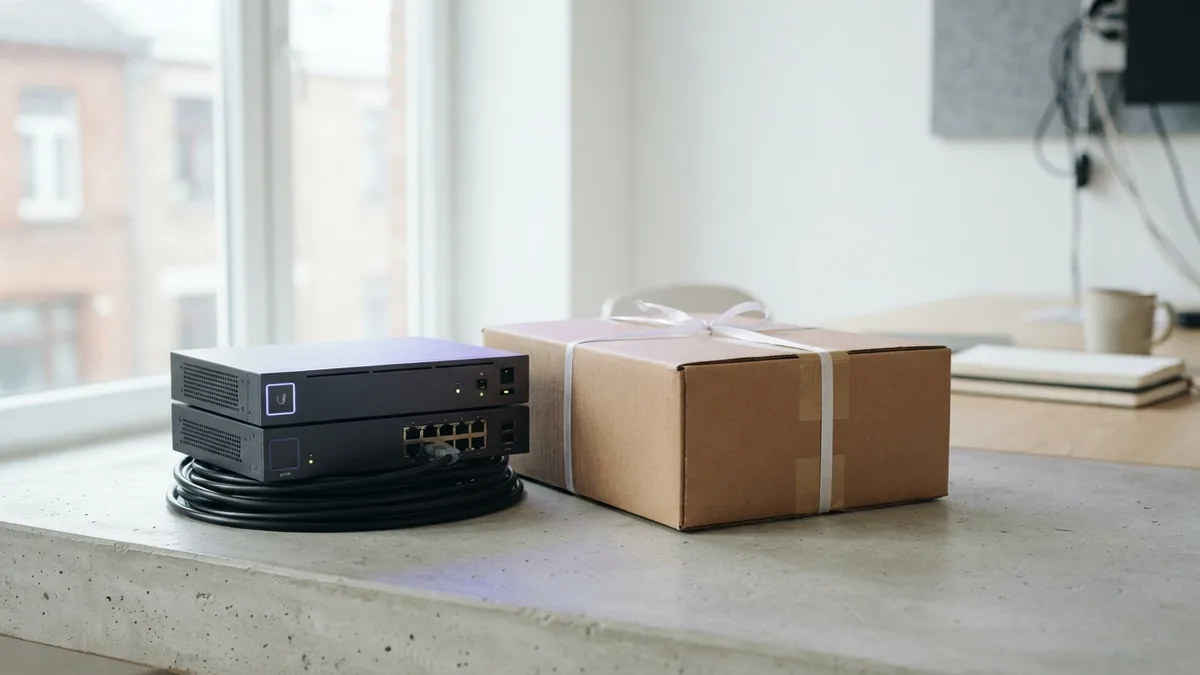
The process begins when a shopper finds a product through search, an advert, or social media. The shopper visits the store, reviews the offer, and adds an item to the cart. A secure payment step then creates the order.
Next, the order moves into stock and fulfillment systems. Staff or a warehouse partner picks and packs the goods. A carrier takes the parcel to the customer.
After delivery, service teams handle questions, changes, and returns. They may use chat, email, phone support, or self-service tools. Each contact can reveal ways to improve the store.
- Attract shoppers through search, ads, content, or social channels
- Show products through a fast and clear online store
- Take payment and confirm the order
- Pick, pack, and ship the goods
- Support the buyer and manage returns
- Study results and improve the next customer visit
Costs, Growth, and Daily Operations
Pure play firms trade store costs for digital and delivery costs. Common costs include hosting, ads, payment fees, stock, packing, shipping, and returns. These costs can rise with each new order.
Scale can still improve the model. More orders may lower the cost of each shipment or software tool. The firm must watch profit per order, not sales alone.
Good forecasts help prevent stock gaps and excess stock. Firms should track delivery time, return rates, support wait time, and repeat purchase rates. These measures show where growth creates strain.
Is Pure Play Ecommerce Right for Your Business?
This model suits products that are easy to explain and ship. It can also suit brands with a clear niche and strong online demand. A digital-only launch may reduce risk when funds are limited.
Pure play may fit less well when customers need to touch, test, or fit a product first. Heavy, fragile, or hard-to-ship goods can also raise delivery costs. Some firms need local service or showroom space to win trust.
Test the model before making a large stock buy. Launch a focused range, set a clear delivery promise, and measure order profit. Then decide whether a pure online path can support your goals.
- Choose pure play when online demand is clear and measurable
- Check shipping, returns, and support costs before launch
- Start with a focused range rather than too many products
- Use customer data to improve offers and service
- Review profit per order as sales grow
Frequently asked questions
- What is pure play ecommerce?
- Pure play ecommerce describes a business that sells only online. It has no physical retail store and may use a website, marketplace, or social platform.
- What are the advantages of pure play ecommerce?
- Key benefits include lower store costs, wider reach, faster testing, and strong access to customer data. Firms can also build focused digital shopping journeys.
- What are the disadvantages of pure play ecommerce?
- Main risks include intense competition, costly customer acquisition, and complex fulfillment. Online firms must also build trust without a physical store.
- How does customer service work in pure play ecommerce?
- Service teams use chatbots, FAQs, email, live chat, and help desks. These tools answer questions and manage issues without face-to-face contact.
- What are examples of pure play ecommerce companies?
- Examples include ASOS, Wayfair, and Zalando. Amazon also began as a pure online retailer before expanding its wider business.
- Is pure play ecommerce right for every business?
- No. It works best when products have clear online demand and manageable shipping needs. Products that need testing or local service may need physical space.
Related reading

What Is an API Endpoint? See How It Works
See how API endpoints connect client requests to server data and features.

What Does SaaS Mean, and How Does It Work?
See how SaaS works, what it costs, and why businesses rely on it.

How Do You Create a REST API in Python or Java?
Build a REST API in Python or Java, from endpoint design to testing.