What Is a Heart Conversion? Cardioversion Explained
Learn what a heart conversion is. Understand cardioversion, types, who needs it, prep, risks, and what recovery looks like.

What “heart conversion” means in practice
What is a heart conversion? It usually means cardioversion. This procedure aims for heart rhythm restoration. It helps the heart beat in a more normal pattern.
Doctors use two main tools for conversion. They can use an electrical cardioversion shock. They can also use chemical cardioversion medicine.
An arrhythmia can change timing in the heart’s signals. Then the heart may beat too fast or out of step. Conversion is a planned reset attempt.
It does not cure the root cause in one move. But it can ease symptoms and improve stability. Many people feel better after the rhythm returns.
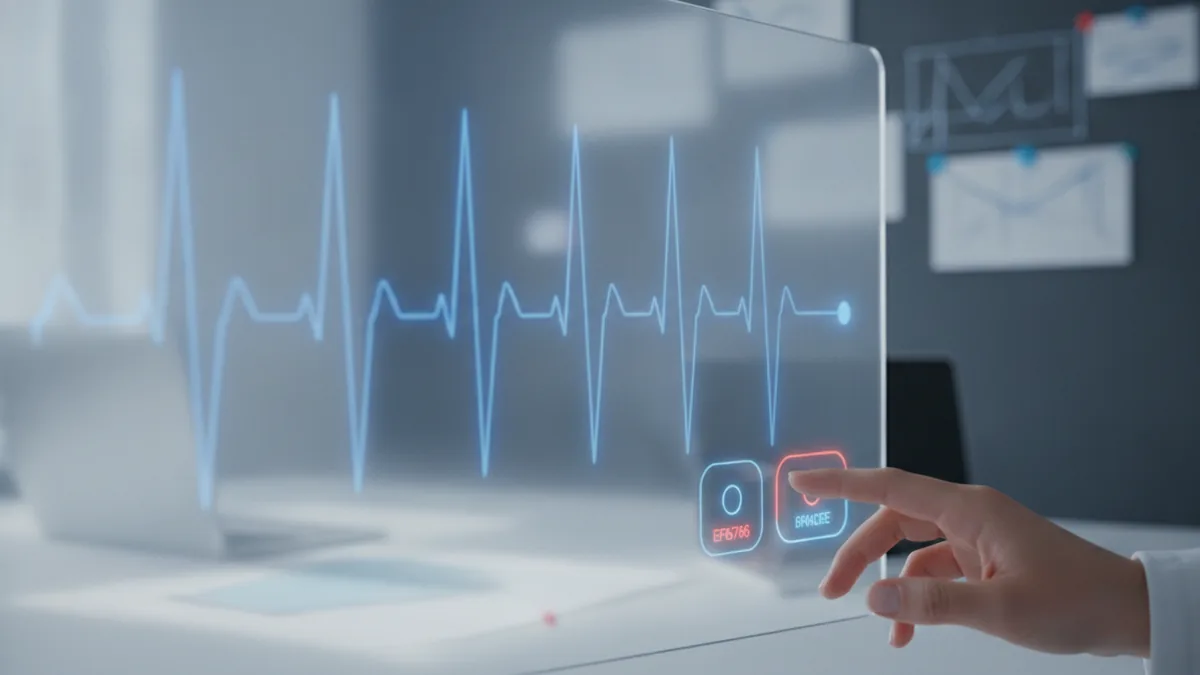
Cardioversion: the medical procedure behind the concept
Cardioversion is a cardioversion procedure to fix an abnormal beat. The team monitors the rhythm during the process. The goal is to return to the target rhythm pattern.
During conversion, safety comes first. Clots can form when upper chambers do not squeeze well. So doctors plan for clot risk before and after.
Most patients get sedation for comfort. Sedation helps prevent pain and stress. You will still be watched the entire time.
After the procedure, you may need support in recovery. Nurses check your vitals and rhythm trends. Then your team decides when you can go home.
Types of cardioversion: electrical vs. chemical
There are clear types of cardioversion. The first is electrical. The second is chemical.
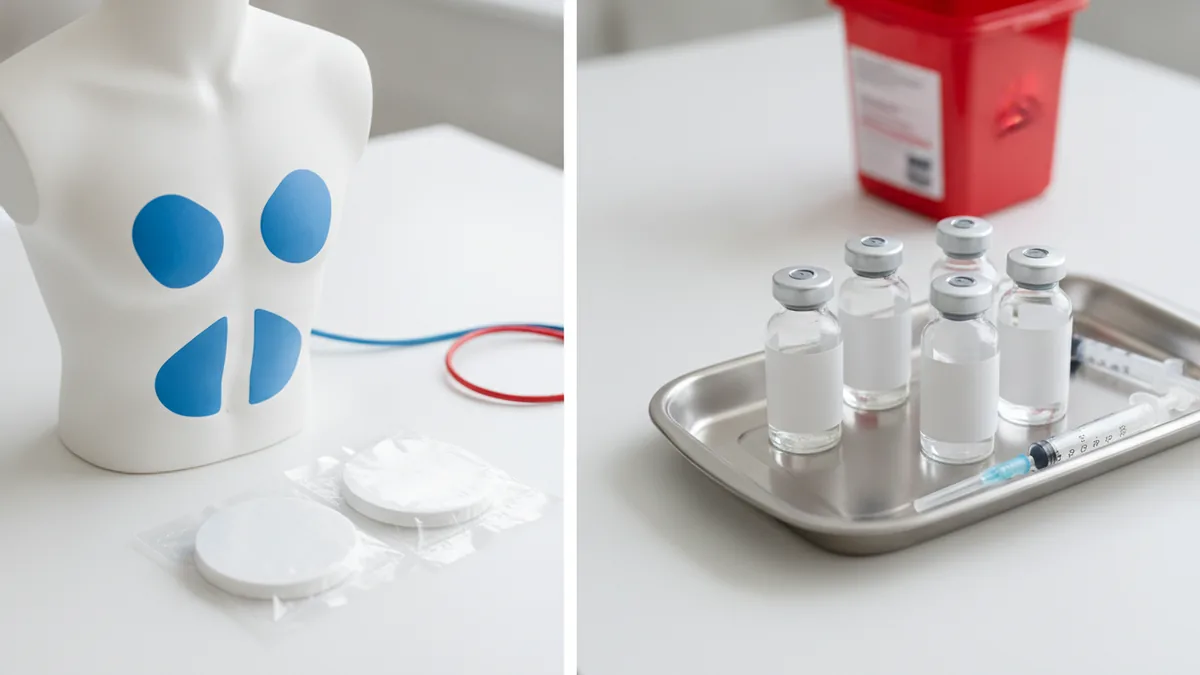
Electrical cardioversion uses a defibrillator. The machine sends a brief shock through the chest. It is timed to break the wrong rhythm loop.
Electrical conversion can be quick. It may work best when fast rhythm change is needed. The team sets energy based on your body and rhythm.
Chemical cardioversion uses antiarrhythmic drugs. These drugs change how heart signals travel. The goal is rhythm control with medicine.
Drug conversion may take time. Your team may monitor for hours after the dose. They also watch for drug side effects.
| Type | What changes the rhythm | Where it fits |
|---|---|---|
| Electrical cardioversion | A defibrillator sends a timed shock | Often when symptoms are strong |
| Chemical cardioversion | Antiarrhythmic medicine shifts signal flow | When medicine conversion fits |
Common conditions treated with cardioversion
Cardioversion is used for key arrhythmias. Two common ones are atrial fibrillation and atrial flutter. Both can make beats fast and uneven.
When the rhythm is off, symptoms may build. People often report palpitations, breath trouble, or tiredness. Some also feel chest pressure.
These rhythms also raise clot risk in many cases. That is why doctors plan clot prevention. They do this before and after rhythm control.
Not every arrhythmia needs conversion. The care team weighs risk, symptom load, and chance of success. They also consider how long you have had the rhythm.
- Atrial fibrillation: fast, irregular rhythm from the upper heart
- Atrial flutter: fast, more regular rhythm from the upper heart
- Other arrhythmias: selected cases where reset is likely helpful
How to prepare for a cardioversion procedure
Preparation aims to protect you and improve success. Patient safety measures include clot prevention planning. Many plans include blood thinners.
Why blood thinners? Clots can form during rhythm change. A clot can move if normal squeeze returns. So your team may start blood thinners before conversion.
Your team may also check how long the rhythm has lasted. If the timeline is unclear, they may order an echo test. This helps look for clots.
Do not stop home meds without a direct plan. Some drugs affect bleeding and rhythm stability. Your team will tell you what to take on procedure day.
- Review meds: list every drug you take, including herbs
- Confirm timing: tell the team when symptoms began
- Plan clot care: follow blood thinner timing exactly
- Follow fasting rules: do this if you will get sedation
On the day, the team sets up monitors. They place leads for rhythm checks. Then they confirm readiness for the chosen conversion type.
Risks and benefits of cardioversion
Cardioversion can work well for many people. The biggest benefit is often symptom relief. Your heart may beat more evenly after conversion.
Another benefit can be better day to day function. Some people can move and breathe easier. The rhythm shift can also reduce stress on the heart.
But risks exist, and your team should explain them. The top risk is clot or stroke, so clot care matters. Sedation also has its own risk.
Electrical conversion can cause skin irritation from pads. This is often mild and short lived. Still, you should report pain or rash after discharge.
Chemical conversion can cause drug side effects. These can include low blood pressure or slow heart beats. Your team monitors closely to catch problems fast.
- Clot and stroke risk: reduced by anticoagulation therapy before and after
- Sedation risk: breathing and blood pressure are watched closely
- Skin irritation: may happen after electrical shocks
- Drug side effects: possible with chemical cardioversion
Success is not the same as a permanent cure. Some people need repeat conversion later. Your follow up plan aims to lower repeat episodes.
Recovery and aftercare
Recovery is often smooth. Sedation can make you sleepy for a while. The team monitors you until you feel steady.
Many patients go home the same day. That is common when you are stable and alert. You still need a ride and home support.
Aftercare focuses on rhythm checks and medicine steps. You may continue blood thinners for a time. This helps lower clot risk during the early rhythm window.
Your team may also adjust rhythm drugs. Some plans add or change antiarrhythmic medicine. The goal is better rhythm control after you leave.
Watch for warning signs. Call the clinic if symptoms return quickly. Seek urgent care if you have severe chest pain or fainting.
- Recovery checks: rhythm and vital checks after conversion
- Medication plan: follow blood thinner and rhythm drug steps
- Home safety: avoid driving until cleared
- Follow up: review results and plan next steps
Quick recap
A heart conversion usually means cardioversion. It restores heart rhythm with either shock or medicine. It also includes clot care and monitored recovery. Many people are discharged the same day.
Questions you can ask your clinician
Ask how long you have likely been in the rhythm issue. Ask what blood thinners you need and for how long. Also ask what plan helps prevent a return.
Frequently asked questions
- What is a heart conversion in cardiology?
- “Heart conversion” often means cardioversion. It is a procedure that aims for heart rhythm restoration when an arrhythmia is present.
- How does electrical cardioversion restore rhythm?
- Electrical cardioversion delivers a timed shock using a defibrillator. This can interrupt abnormal electrical circuits so a normal pattern can resume.
- What is chemical cardioversion?
- Chemical cardioversion uses medicine to achieve rhythm control. The drugs change signal flow so the heart shifts toward a regular rhythm.
- Do I need blood thinners before cardioversion?
- Often, yes. Anticoagulation therapy may be needed before and after the procedure to lower clot risk during rhythm changes.
- What happens after the cardioversion procedure?
- Patients are usually monitored as sedation wears off. Many people go home the same day with clear instructions for ongoing meds and follow-up.
- Is cardioversion risky?
- It can carry risks, especially clot risk and sedation effects. Your care team weighs these risks against the likely benefit for your case.
Related reading

How Can You Learn UI/UX Design?
Build UI/UX skills with focused study, regular practice, and a strong portfolio.

What Is an API, and What Does It Do?
See how APIs link apps, share data, and support common online tasks.

How Can You Represent an API in a Diagram?
Map API calls, systems, and responses with diagrams that teams can use and update.