What Is an API Drug? Active Ingredient Guide
Learn what an API drug is, how active pharmaceutical ingredients are made, the main API types, and why purity affects medicine safety.

What Is an API Drug?
What is API drug? It is a medicine that contains an active pharmaceutical ingredient.
API stands for active pharmaceutical ingredient. This part creates the intended health effect.
For example, ibuprofen is the API in many pain relief tablets. It can ease pain, fever, and swelling.
The word API has another meaning in software. This guide uses API in the drug sense only.
A finished medicine also contains inactive parts called excipients. These parts do not create the main treatment effect.
Excipients can shape a tablet and improve its taste. They can also help the tablet break down inside the body.
The API does the main health work. Excipients help deliver it in a useful form.

The Role of APIs in Drug Manufacturing
APIs form the core of pharmaceutical manufacturing. Drug makers combine them with safe supporting materials.
Each dose must contain the right amount of API. Too little may not treat the health problem well.
Too much may raise the risk of harm. Dose control is vital.
API quality also affects the medicine’s shelf life. Heat, light, air, and damp can change some APIs.
- Effect: The medicine gives the planned health benefit.
- Safety: The medicine contains low levels of harmful impurities.
- Consistency: Each dose has the same strength.
- Supply: A sound source helps keep the medicine in stock.
A weak or impure API can harm the whole batch. It may also lead to a product recall.
Drug makers test each batch before release. They must show that the API meets set quality rules.

Types of Active Pharmaceutical Ingredients
There are several main types of APIs. Each type needs its own tools, tests, and storage plan.
Small molecule APIs
Small molecule APIs have fairly simple chemical shapes. Makers often build them through chemical synthesis.
Chemical synthesis joins raw materials through planned chemical steps. Aspirin, paracetamol, and atorvastatin are common examples.
These APIs often work well in tablets and capsules. Their small size can help them pass through body tissues.
Peptide APIs
Peptides are short chains made from amino acids. Their shape can make them hard to make and store.
Insulin is one well-known example. Some diabetes medicines also use peptide APIs.
Many peptide drugs need cold storage. Heat can harm their shape and reduce their effect.
Oligonucleotide APIs
Oligonucleotides are short strands of genetic material. They can guide or block signals inside cells.
These APIs need close checks of their order, purity, and shape. Their tests differ from those used for small molecules.
Generic APIs
A generic API matches the active part of a known brand drug. It must meet the same key rules for strength and purity.
Generic drugs may cost less than brand drugs. Their makers do not need to repeat all early discovery work.
| API type | Main trait | Common challenge |
|---|---|---|
| Small molecule | Simple chemical shape | Control of stray chemicals |
| Peptide | Short amino acid chain | Heat and cold storage |
| Oligonucleotide | Short genetic strand | Order and purity checks |
| Generic API | Matches a known drug part | Meeting quality rules |
How the API Manufacturing Process Works
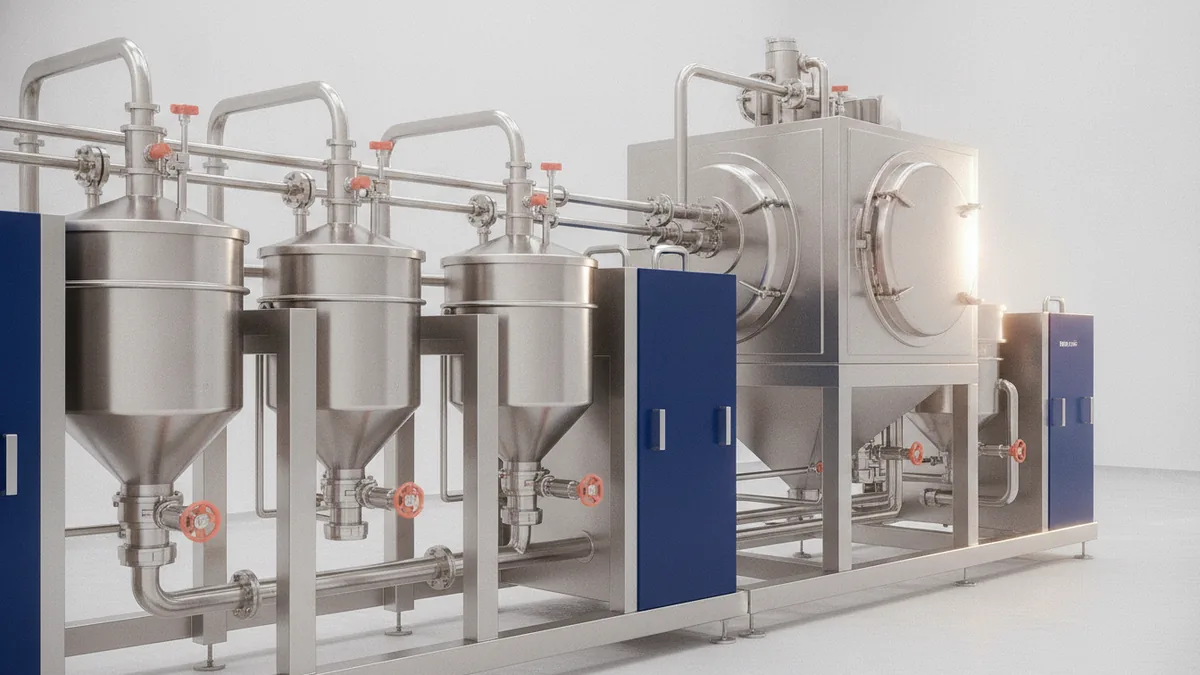
The API manufacturing process turns raw materials into a clean drug substance. The exact steps depend on the API type.
1. Prepare and test raw materials
Manufacturers first check the identity and quality of raw materials. This step helps prevent errors later.
They record each material’s source, strength, and test results. Good records support safe batch tracking.
2. Create the API
Small molecule APIs often begin with chemical synthesis. This process joins raw materials through controlled reactions.
Biological APIs may use living cells or other special systems. These methods need strict control of heat, time, and mixing.
3. Purify the material
The new material can contain solvents, by-products, or leftover raw materials. Purification removes these unwanted substances.
Common methods include filtering, washing, and separation. Teams choose methods that suit the API’s chemical traits.
4. Isolate and dry the API
After purification, workers isolate the API from the process liquid. They may then dry it under controlled conditions.
Drying removes leftover moisture and solvents. The final powder must keep its strength and shape.
5. Test and release the batch
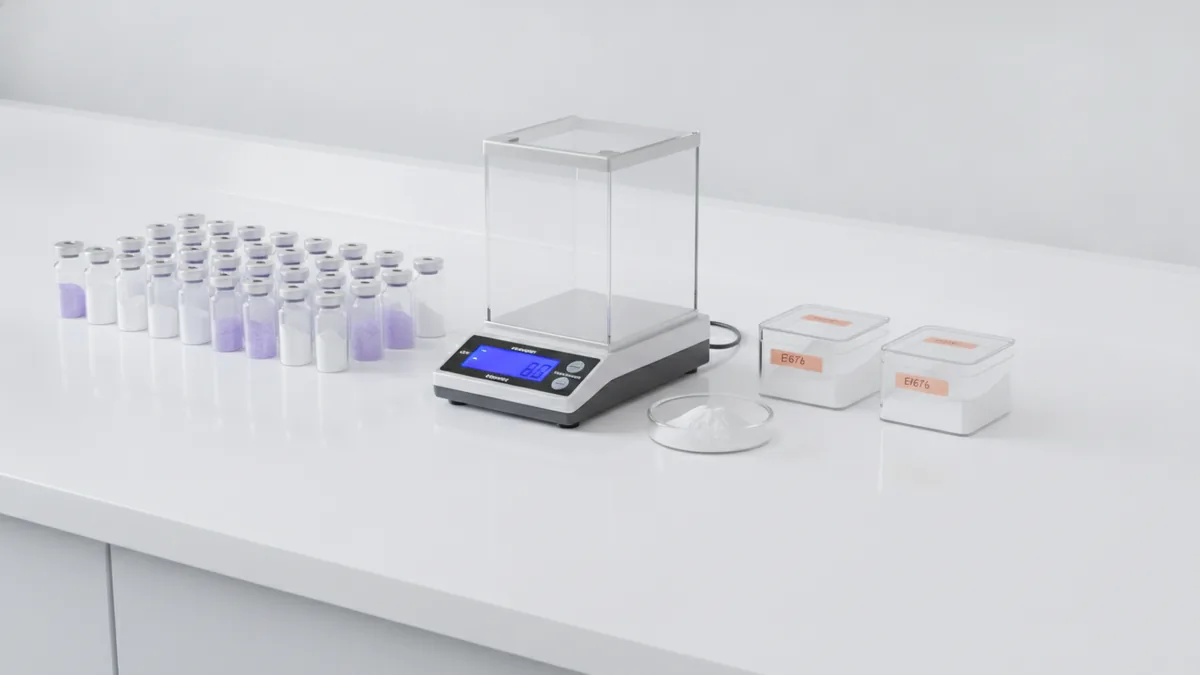
Quality teams test the finished API before use. They check identity, purity, strength, and stability.
They also review the full batch record. Only approved material moves to the next production stage.
Why API Quality Matters
API quality shapes the safety, strength, and shelf life of the finished medicine.
Purity is one key measure. It shows how much of the material is the target API.
Other substances may come from raw materials, solvents, or chemical reactions. Makers must find and control these impurities.
Strength is another key measure. It shows whether each dose contains the planned amount.
- Identity: Confirms that the material is the correct API.
- Purity: Measures unwanted substances.
- Strength: Confirms the amount in each dose.
- Stability: Tracks changes during storage.
- Microbial safety: Checks for harmful germs when needed.
Stability testing checks how the API changes over time. Teams study heat, light, moisture, and air.
These tests help set storage rules and expiry dates. They also show which package best protects the API.
Quality control does not stop when production ends. Teams may check the API during storage and transport.
These checks protect patients from weak, spoiled, or unsafe medicines. They also help each dose work in the same way.
Examples of Common APIs
Many familiar medicines contain well-known active pharmaceutical ingredients. The same API may appear in several product forms.
Ibuprofen can appear in tablets, capsules, gels, and liquid medicines. The form changes how the body receives it.
Paracetamol is used in many products for pain and fever. It can appear alone or with other APIs.
Amoxicillin is an API used in certain antibiotic medicines. Doctors choose it for suitable bacterial infections.
Insulin is a peptide API used to help manage blood sugar. It requires careful handling and storage.
These examples show why the API matters. The supporting ingredients and dose form can change, but the API drives the main effect.
| API | Common use | Possible forms |
|---|---|---|
| Ibuprofen | Pain, fever, and swelling | Tablet, capsule, gel |
| Paracetamol | Pain and fever | Tablet, capsule, liquid |
| Amoxicillin | Some bacterial infections | Capsule, tablet, liquid |
| Insulin | Blood sugar control | Injection or infusion |
In short, an API is the part that gives a medicine its intended action. Its quality affects every stage, from production to patient use.
Frequently asked questions
- What does API stand for in medicine?
- API stands for active pharmaceutical ingredient. It is the part of a medicine that creates the intended health effect.
- What is an API drug?
- An API drug contains an active pharmaceutical ingredient. That ingredient produces the main treatment effect.
- What is the difference between an API and an excipient?
- Excipients are inactive ingredients that support the medicine. They can shape the dose, improve taste, or help release the API.
- What are the main types of APIs?
- Common API types include small molecules, peptides, oligonucleotides, and generic drug ingredients. Each type needs different tests and storage controls.
- How are active pharmaceutical ingredients made?
- Manufacturers create, purify, isolate, dry, and test the API. They then approve the batch before it enters finished drug production.
- Why is API quality important?
- API quality affects a drug’s strength, safety, consistency, and shelf life. Poor quality can make a medicine weak or unsafe.
Related reading

How Can You Represent an API in a Diagram?
Map API calls, systems, and responses with diagrams that teams can use and update.

What Is Full Stack Software Development?
See how full stack developers build and connect the parts of modern software.

What Does API Access Mean for Your App or Business?
See how API access works, what it lets you do, and how to keep it safe.