What Is D2C E-commerce? Benefits, Challenges, and Strategy
Learn what is d2c ecommerce, how D2C vs traditional retail works, plus key benefits, challenges, and a practical D2C strategy implementation plan.
D2C e-commerce in plain terms
What is d2c ecommerce? It is a direct-to-consumer model where brands sell straight to shoppers online.
In this setup, the brand makes or owns the product and sells it without most middle layers.
You control the whole shop flow. You also control how buyers hear your story and get support after purchase.
So, the d2c ecommerce definition is simple. The brand sells direct to people via its own web store.
Definition: the D2C e-commerce model and how it works
D2C e-commerce definition means a brand sells direct to shoppers using an e-commerce site.
This is direct-to-consumer model selling. The brand owns the order, the checkout, and the follow-up.
It often runs on a brand site plus a sign-in or cart flow.
The big change is data. You keep first-party data from your checkout, not just a store-level view.
You can then tailor emails and offers. That can raise repeat buys without guesswork.
- Direct channel: brand shop site and brand-led checkout
- Customer reach: first-party buyer data and direct support
- Control: price, brand voice, and service rules
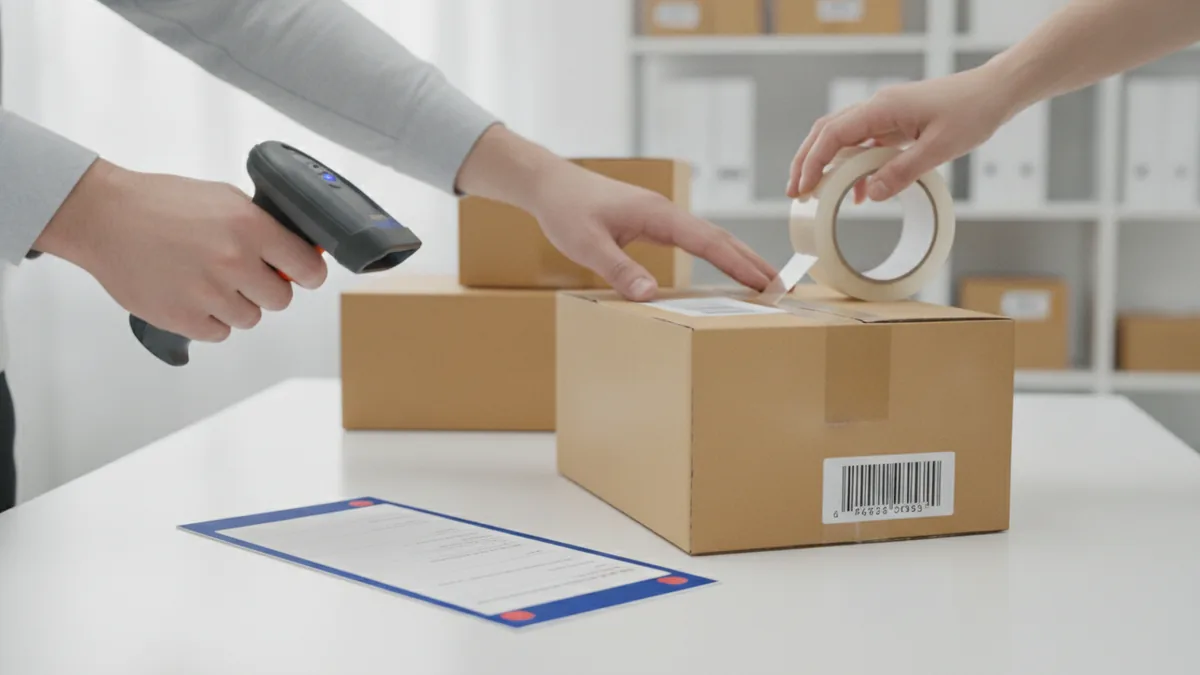
D2C vs traditional retail: what changes for brands and buyers
D2C vs traditional retail changes who owns the buyer link.
In retail, stores pick shelf space and set some promo rules.
Brands then share control over price and how products are shown.
With D2C, you set the page, the offer, and the return steps.
For buyers, D2C can feel easier. It often brings clear info and quick help when issues pop up.
It also makes the buying path more clear. Ad to page to cart tends to match your goal.
| Area | D2C e-commerce | Traditional retail |
|---|---|---|
| Sales path | Brand site or app | Stores and middle steps |
| Brand control | Brand sets the story | Store sets some rules |
| Data access | First-party buyer data | Less buyer-level data |
| Profit math | More margin potential | Margin hit from wholesale |
| Buyer care | Brand owns care | Care split across partners |
Benefits of D2C: margin, marketing control, and faster feedback
Benefits of D2C start with money per sale. You cut out some middle fees and margins.
That can raise profit potential. It does not erase costs like ads, fees, or shipping.
Still, the structure helps you keep more of the order value.
D2C also gives better customer data access. You can see who buys and what they do next.
That supports smarter customer acquisition. It also supports better marketing strategies over time.
One more win is fast learning. You can test and ship small changes quickly.
- More margin chance: fewer layers between brand and buyer
- Buyer insight: data from site visits and purchases
- Brand loyalty: one clear voice across buy and care
- Fast tests: try offers and learn from real results
Challenges of D2C: competition, costs, and logistics pressure
Challenges of D2C show up when you grow past a small base.
First, you face strong competition. Big stores already have trust and reach.
Shoppers can also compare prices fast. They may ask, “Why buy direct?”
You need a clear reason. It could be better fit, better help, or a better deal.
Second, marketing costs can rise. Customer acquisition gets pricier when ads fight harder.
So you must watch conversion and repeat rate closely.
Third, logistics can break plans. You run fulfillment, pack orders, and handle returns.
Operational efficiency matters a lot here. Delays can hurt trust and raise support work.
- Retail pressure: buyers compare you with known stores
- Ad cost risk: spend grows if results stay flat
- Fulfillment load: packing, shipping, and returns at scale
- Cash flow strain: stock and ads need upfront funds
Future trends in D2C e-commerce
Future trends in D2C lean toward steady growth. Brands learn that only ad spend does not last.
So brands push more measured plan and tighter data use.
Omnichannel experience will still matter. Buyers meet your brand on social and search before they buy.
Then your site must feel the same as your ads. Price, stock, and offers should match.
Subscriptions may also grow in repeat categories. They can smooth demand and help retention.
On the ops side, faster shipping wins more fans. Better return steps can also cut support load.
Finally, product tests will stay common. Small batch drops can prove demand fast.
How to implement a D2C strategy (step-by-step)
D2C strategy implementation starts with one core choice. Decide where customers buy and how you deliver orders.
Next, craft a simple value pitch. Explain why a buyer should choose you over a store.
Then build your shop site for speed. A clear product page can lift buys without more ad spend.
After that, plan your customer acquisition. Match spend to your profit plan and your repeat buys.
Then lock down operations. Fulfillment and returns must work even when orders spike.
- Choose your direct channel: pick your shop and your ship plan
- Map the buyer journey: link ads to pages and then to checkout
- Set up repeat buying: plan email flows for welcome and reorder
- Track unit numbers: watch profit per order, not only sales
- Improve logistics: pick shipping speed and return rules you can keep
- Test often: run small tests on bundles, price, and page layout
To make this real, start with your baseline conversion rate in week one.
If it is low, check page clarity and checkout steps first. Then test one fix at a time.
Next, measure repeat buys over 60 to 90 days. If repeat is low, tighten post-buy guidance.
Use that feedback to improve next campaigns and next product drops.
FAQ: common D2C questions
Is D2C the same as B2C?
No. B2C means sell to people. D2C is the direct-to-consumer model for who owns the buyer link.
Why do brands say D2C gives better control?
Because you run your pages, checkout, and care steps. Retail partners can still shape promos and timing.
What are the biggest challenges of D2C?
The main issues are retail competition, ad cost risk, and logistics load. Returns also add work if not planned well.
How does D2C improve customer acquisition?
First-party data helps you target better. You can send offers based on real actions, not guesswork.
Can D2C work for small brands?
Yes. A clear niche and a strong story can win early buyers. Small teams can test and learn fast.
What should I prioritize for D2C strategy implementation?
Start with shop UX, then build test loops for ads and emails. After that, invest in fulfillment that scales.
Step-by-step
- 01 Pick your direct channel and fulfillment plan
Decide where customers buy and how orders ship. Choose in-house fulfillment or a reliable partner you can scale with.
- 02 Build a store experience that converts
Make product pages clear and reduce checkout friction. Show shipping cost and delivery timing early to lower drop-offs.
- 03 Set up acquisition and retention loops
Plan marketing strategies that match your margin. Then run email or messaging flows for welcome, post-purchase, and repeat buying.
- 04 Track unit economics from day one
Measure contribution margin, not only revenue. Use test results to improve conversion and reduce wasted ad spend.
- 05 Run logistics and returns like a product
Create fast picking rules and clear return steps. Measure return rate and common support reasons to cut long-term costs.
- 06 Experiment monthly and adapt quickly
Test bundles, pricing, and landing pages on a steady schedule. Use customer feedback to guide which changes to scale.
Frequently asked questions
- What is d2c ecommerce and how does it work?
- D2C e-commerce is a direct-to-consumer model where brands sell straight to shoppers, usually via their own online store. The brand owns the customer relationship and often uses first-party data for marketing.
- How is D2C vs traditional retail different?
- With D2C, the brand controls pricing, product messaging, and the customer experience. Traditional retail splits control with retailers and usually provides less customer-level data to the brand.
- What are the benefits of D2C for a brand?
- Benefits of D2C include higher profit potential, more control over marketing, and better access to customer insights. Brands can also test offers and products faster.
- What challenges of D2C should founders expect?
- The biggest challenges include competition, higher marketing costs, and logistics that can handle growth. Cash flow can also tighten due to inventory and fulfillment needs.
- Can a small brand succeed with a D2C strategy implementation?
- Yes, especially with a focused product niche and a clear value proposition. Start with a strong store experience, track unit economics, and iterate quickly.
- Does D2C always mean selling only online?
- Not always. Many D2C brands start online but also add pop-ups or local pickup. The core idea is still direct customer ownership rather than relying on wholesale partners.
Related reading

How Can You Represent an API in a Diagram?
Map API calls, systems, and responses with diagrams that teams can use and update.

What Is Full Stack Software Development?
See how full stack developers build and connect the parts of modern software.

What Does API Access Mean for Your App or Business?
See how API access works, what it lets you do, and how to keep it safe.