What Is Removed from Pyruvate? A Simple Guide
Learn what is removed from pyruvate during its conversion, how decarboxylation releases CO₂, and why CoA forms acetyl CoA for energy production.
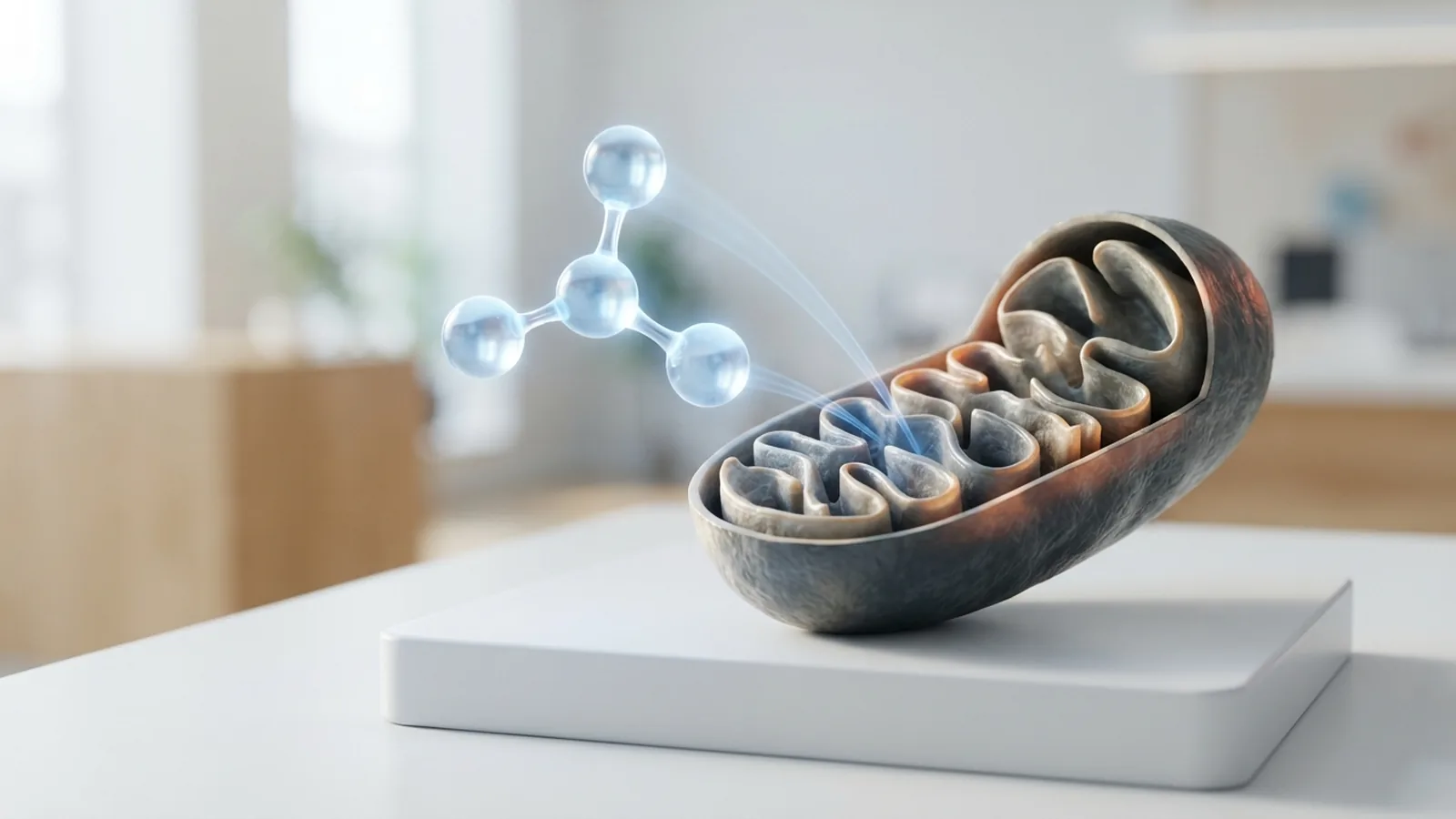
Pyruvate: The Product of Glycolysis
Carbon dioxide leaves pyruvate during its change into acetyl CoA.
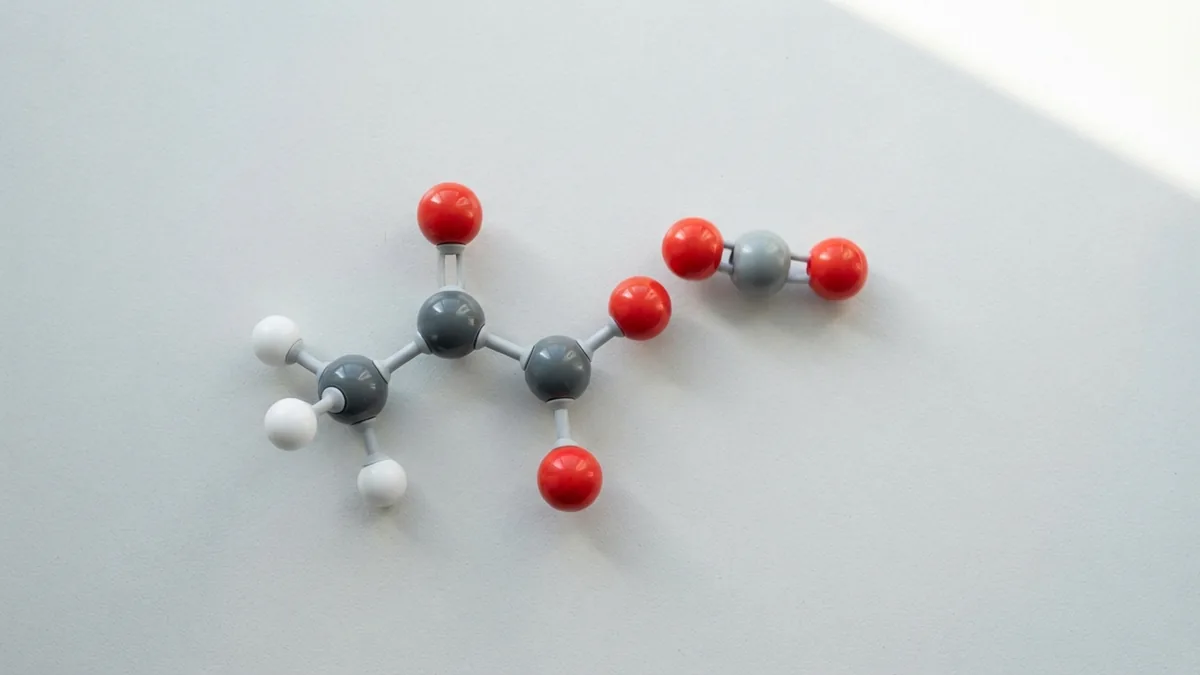
The removed part is a carboxyl group. This group holds one carbon atom.
That carbon joins two oxygen atoms. Together, they form carbon dioxide, or CO₂.
Pyruvate is a three-carbon molecule. Cells make it in the cytoplasm during glycolysis.
Glycolysis splits one glucose molecule into two pyruvate molecules. Each pyruvate has three carbon atoms.
It starts the next part of glucose breakdown.
- Glucose has six carbon atoms.
- Glycolysis makes two pyruvate molecules.
- Each pyruvate loses one carbon.
- The lost carbon leaves as CO₂.
- The two-carbon part becomes an acetyl group.
How Pyruvate Enters the Conversion Process
Pyruvate moves from the cytoplasm into a mitochondrion. Mitochondria are small cell parts that help make energy.
Pyruvate enters the inner fluid space of the mitochondrion. This space contains the enzymes needed for the next step.
An enzyme is a protein that helps a cell run a chemical change. Several enzymes work together during this step.
The first enzyme removes the carboxyl group. The second step takes energy from the remaining piece.
Coenzyme A then joins the two-carbon acetyl group. This makes acetyl CoA.
The link between glycolysis and the next cycle is now complete.
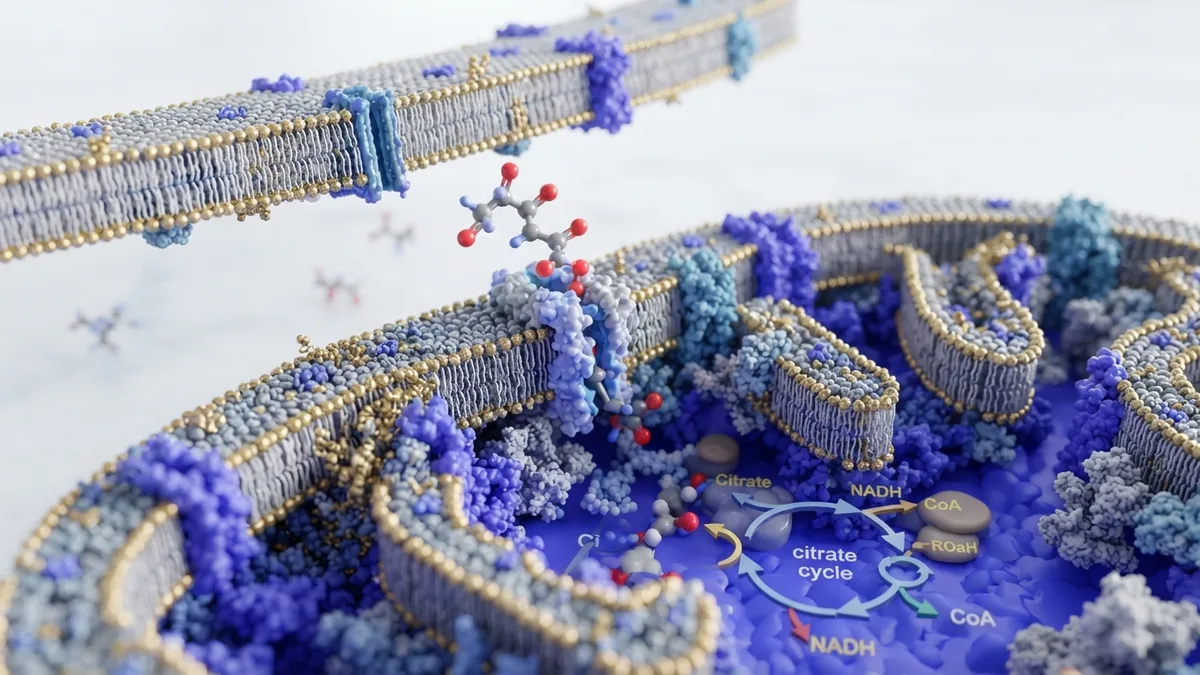
What Gets Removed from Pyruvate?
Carbon dioxide is what gets removed from pyruvate. The cell removes it through decarboxylation.
Decarboxylation means the removal of a carboxyl group. The group leaves pyruvate as CO₂.
Pyruvate starts with three carbon atoms. After this step, only two carbon atoms remain.
Those two atoms form the acetyl part of acetyl CoA. The carbon does not vanish.
It leaves the cell as part of a CO₂ molecule. Oxygen and hydrogen are not the main parts removed here.
That is the key point.
| Stage | Carbon count | What happens |
|---|---|---|
| Pyruvate | 3 | The starting molecule |
| After decarboxylation | 2 | The acetyl part remains |
| Acetyl CoA | 2 | CoA carries the acetyl part |
Why Coenzyme A Matters
Coenzyme A is often called CoA. It works as a carrier for the acetyl group.
CoA joins the group after pyruvate loses CO₂. This bond creates acetyl CoA.
CoA does not carry the removed carbon. It carries the two-carbon part that stays behind.
The bond also holds some useful energy. That energy helps move the acetyl group to the next stage.
CoA acts like a small shuttle.
It picks up the acetyl group near the end of pyruvate conversion. It then carries the group into the citric acid cycle.
CoA contains a part made from pantothenic acid. Pantothenic acid is also known as vitamin B5.
Cells need vitamin B5 to make active CoA. The vitamin helps build CoA, but does not do the whole job.
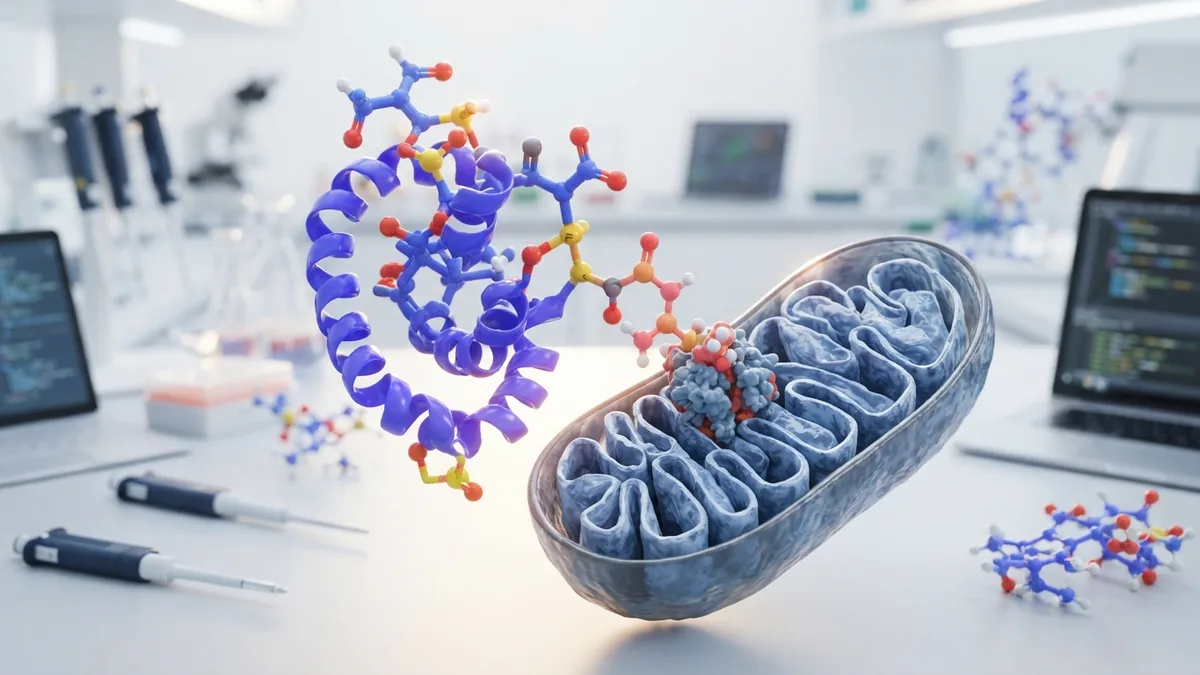
Acetyl CoA and the Next Metabolic Stage
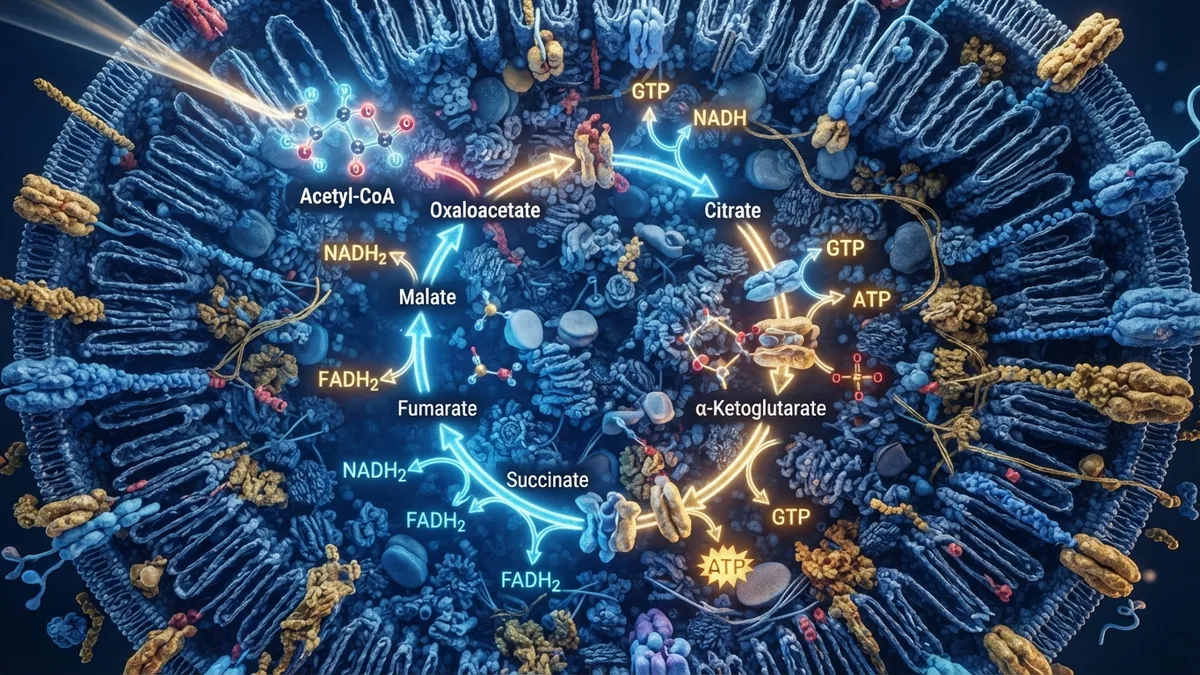
Acetyl CoA enters the citric acid cycle. This cycle runs inside the mitochondrion.
It takes more energy from the carbon that began in glucose. It also sends high-energy electrons to carrier molecules.
One carrier is NADH. NADH helps send energy to the electron transport chain.
That chain helps the cell make ATP. ATP is the main energy store used by cells.
The numbers are easy to track.
- One glucose molecule makes two pyruvate molecules.
- Each pyruvate makes one acetyl CoA.
- Two CO₂ molecules form from one glucose.
- One NADH forms from each pyruvate.
- Two acetyl CoA molecules enter the next cycle.
So, one glucose gives two acetyl CoA molecules. Each one can then move through the citric acid cycle.
Why This Reaction Is Essential
Pyruvate conversion links glycolysis with the citric acid cycle. Without this link, pyruvate cannot enter that cycle.
Energy release from glucose would stop too soon. Cells would miss much of the energy stored in glucose.
The step also keeps carbon flow in order. Glycolysis makes a three-carbon product.
The next cycle takes a two-carbon acetyl group. Removing one carbon solves that size gap.
The extra carbon leaves as CO₂.
Other fuels can also make acetyl CoA. Fat breakdown is one example.
Some amino acids can feed the same path. Still, glucose often starts this chain through glycolysis.
This makes pyruvate conversion a key step in aerobic respiration. Aerobic means the cell uses oxygen to gain more energy.
Key Takeaway
Decarboxylation removes a carboxyl group from pyruvate. The group then becomes carbon dioxide.
The remaining two-carbon part becomes an acetyl group. CoA carries that group as acetyl CoA.
Acetyl CoA then enters the citric acid cycle. This step prepares glucose carbon for further energy release.
In short, carbon dioxide is removed from pyruvate. The acetyl group stays and moves onward.
A Small Wording Note
Some questions call carbon dioxide an element removed from pyruvate. Strictly, CO₂ is a compound, not an element.
One carbon atom leaves pyruvate during the reaction. That atom becomes part of the CO₂ molecule.
The biology answer stays the same. Carbon dioxide leaves, while the acetyl group remains.
Frequently asked questions
- What is removed from pyruvate during its conversion?
- Carbon dioxide leaves pyruvate. Its carboxyl group leaves during decarboxylation.
- What happens to pyruvate during decarboxylation?
- Pyruvate loses one carbon as CO₂. The two-carbon part becomes an acetyl group.
- What is the role of coenzyme A in pyruvate conversion?
- Coenzyme A binds the acetyl group. This forms acetyl CoA for the citric acid cycle.
- Where does pyruvate conversion take place?
- The change takes place in the mitochondrial matrix. It follows glycolysis and comes before the citric acid cycle.
- How many carbon dioxide molecules form from one glucose?
- One glucose makes two pyruvate molecules. Each one can form one acetyl CoA and one CO₂.
Related reading

What Should You Sell on Ecommerce?
Find product ideas, check demand, and test your offer before you invest.

Is Web Development Dying, or Just Changing?
Web development is changing fast, but skilled developers still have room to grow.

How Can You Learn UI/UX Design?
Build UI/UX skills with focused study, regular practice, and a strong portfolio.