How to Start Graphic Design: Career & Business
Learn how to start graphic design, build a strong portfolio, choose tools, find clients, set prices, and grow a design business from scratch.
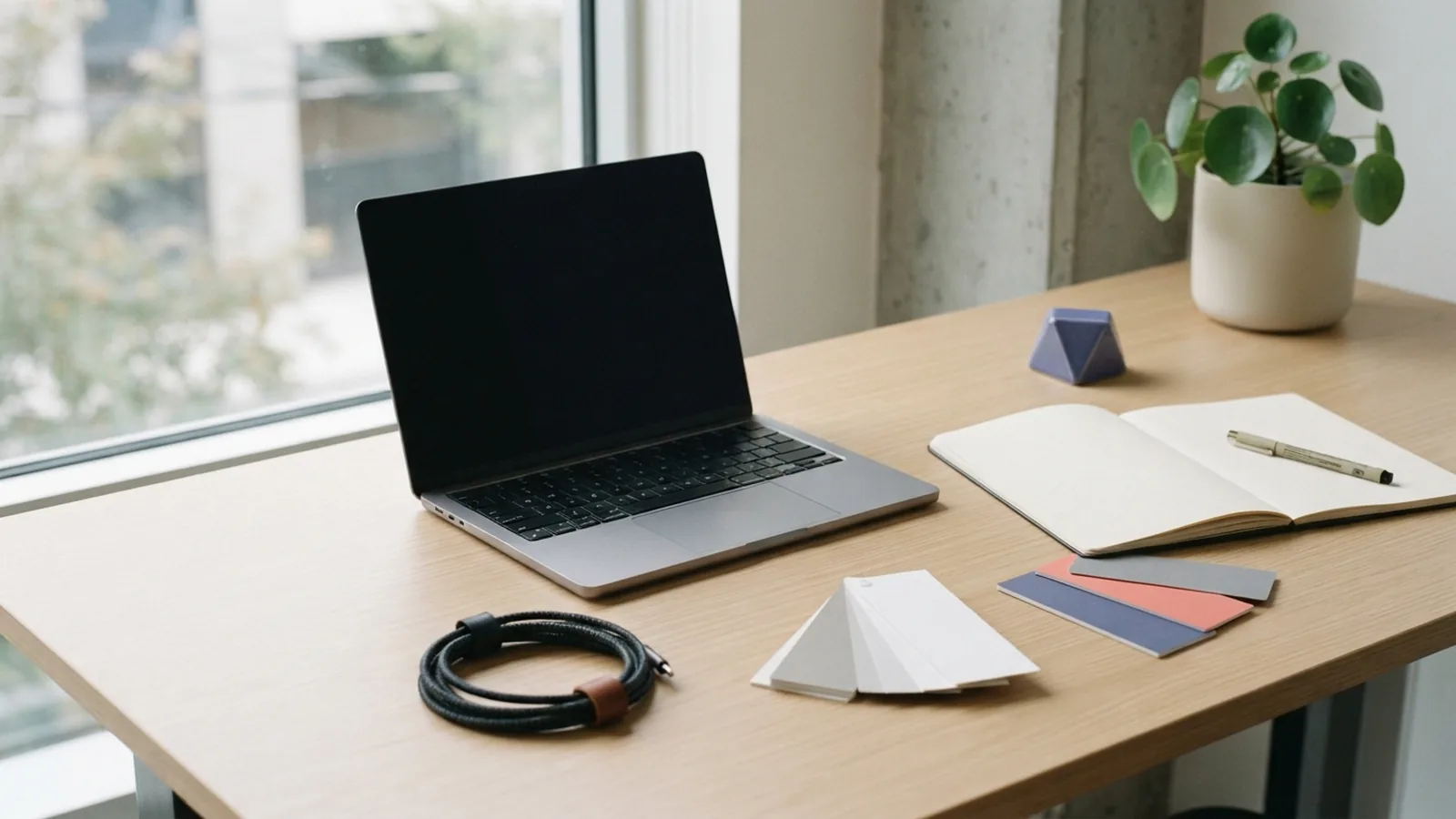
Start by Understanding What Graphic Design Does
Graphic design uses type, color, images, and layout to share a clear message. It helps people understand brands, products, services, and ideas. You can find it in websites, apps, packaging, adverts, books, and social posts.
If you wonder where to start with graphic design, begin with the problem behind each project. A good designer asks who needs the message and what action they should take. The design must look good, but it must also work.
Graphic design matters in almost every field. Shops need signs and packaging. Startups need brand systems and pitch decks. Charities need campaigns that earn trust. This wide demand creates paths into jobs, freelance work, and business ownership.
You do not need a design degree to begin. You do need practice, clear thinking, and proof of your skill. A focused plan makes learning less costly and less confusing.
Build the Core Skills Employers and Clients Need
Strong visual work starts with graphic design fundamentals. Learn contrast, alignment, spacing, hierarchy, balance, and color. These design principles help viewers know what to notice first.
Creativity matters, but it is only one part of the job. You also need digital literacy, which means using computers and online tools with confidence. Learn to manage files, export the right formats, and keep clean folders.
Communication can set you apart from other beginners. Ask useful questions before you start. Explain your choices in plain language. Take feedback without losing sight of the project goal.
- Study one design principle each week
- Recreate strong layouts for practice
- Learn basic image, type, and color terms
- Write short notes about each design choice
- Ask for feedback from a designer or peer
Set a weekly practice target of five hours. Split that time between study and making work. Small, steady sessions beat rare bursts of effort.
Choose Tools and Learn Them Through Small Projects

Start with one main tool instead of buying every app. Adobe Photoshop suits image work. Adobe Illustrator suits logos and vector shapes. Adobe InDesign suits print layouts. Canva offers a simpler start for social posts and basic brand assets.
Adobe provides Adobe's free learning resources for its main apps. Follow one beginner lesson, then repeat it without help. Change the subject so you learn the method instead of copying steps.
Try a simple learning path. Make a poster first. Then create a social post set and a one-page flyer. Finish with a small brand kit. Each task should solve a real communication need.
Save source files and final exports in separate folders. Use clear file names and keep old versions. This habit prevents lost work when a client asks for changes.
Create a Portfolio That Shows Useful Skill
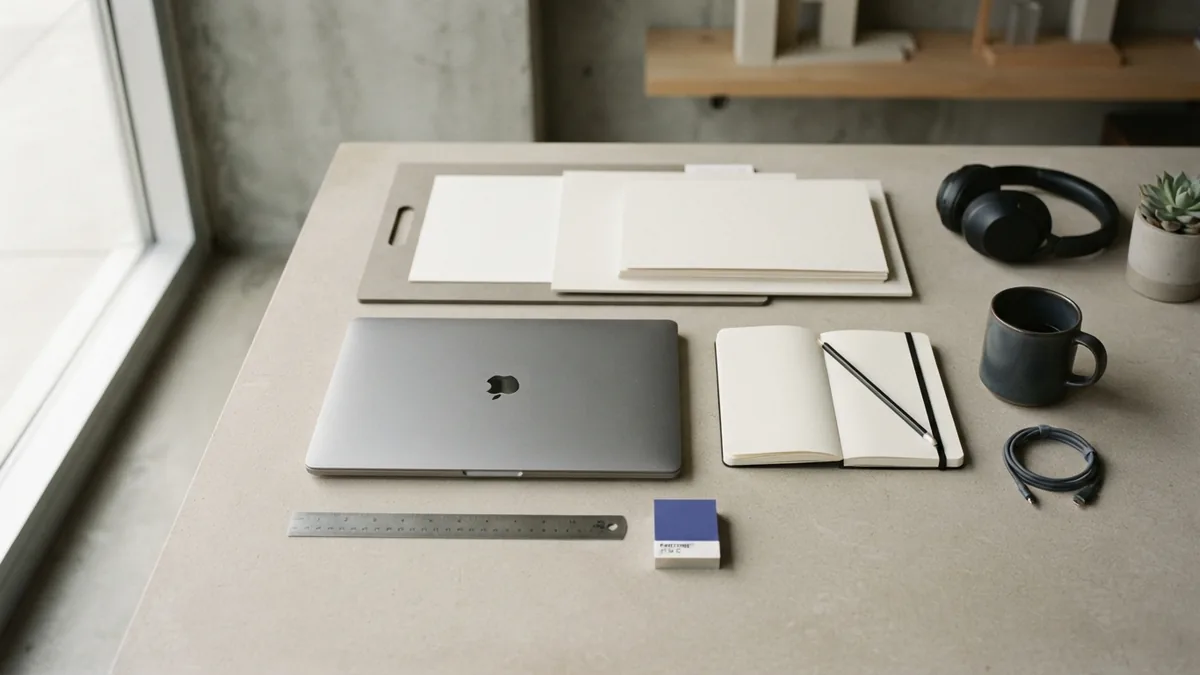
Many new designers ask how to start a graphic design portfolio. Begin with three to six strong projects. A small set of finished work looks better than twenty rushed pieces.
Use made-up briefs if you lack client work. Create a coffee brand, a local event, or a software launch. State the goal, audience, and design choices for each project. This context shows how you think.
Show range without losing focus. Include a brand mark, poster, social set, landing page, or package concept. Keep the work tied to the services you want to sell.
Present each project with a simple case study. Show the brief, early direction, final design, and result. Remove weak work as your skills grow.
- Lead with your strongest project
- Use clear mockups that fit the project
- Explain the problem and your design choices
- Show detail views when they add proof
- State the tools used for each project
Your portfolio can live on a personal site, Behance, or both. A personal site gives you control over your message. Keep the layout clean and make every project easy to view.
Set Up the Business Side Before Taking Paid Work

Learning how to start a graphic design business means learning more than design. Choose a service list that fits your skill and time. Good starting options include brand kits, social graphics, presentation design, and simple web assets.
Set prices from the project scope, not from guesswork. List the work, number of concepts, revision rounds, deadline, and final files. A simple price table helps clients compare options.
| Service | Starter scope | Price method |
|---|---|---|
| Social post set | Five branded posts | Fixed project fee |
| Logo package | Two concepts and one final mark | Fixed project fee |
| Monthly design help | Set hours or deliverables | Monthly retainer |
Use a written contract for every paid project. Include payment dates, ownership rights, revisions, late work, and cancellation terms. The U.S. Small Business Administration's business structure guidance can help with basic setup choices.
Ask for a deposit before work begins. Thirty to fifty percent is common for small projects. Keep the rest due before you send final, editable files.
Client management needs a clear process. Start with a short brief. Confirm the next step after each review. Keep feedback in one place and limit revisions to the agreed amount.
You can start a graphic design business with no money by using free tools and direct outreach. Build sample work first. Track every cost before you buy paid software, fonts, or stock assets.
Market Your Services Without Sounding Pushy

Marketing works best when it shows useful proof. Share a finished project, explain one design choice, and state the result. Teach a small lesson instead of posting only that you are available.
Pick one or two social channels. LinkedIn can help with business clients. Instagram can suit visual work. Post once or twice each week and keep your style consistent.
Networking for designers does not require large events. Join local business groups, online design communities, and startup meetups. Offer a helpful answer before asking for work.
Build a professional website with five key parts:
- A short statement about your design service
- Your best three to six projects
- A simple list of services
- A short process and starting price range
- A clear way to book a call or send a brief
Ask past clients for short testimonials. Request permission before showing their work. Referrals can become a strong source of steady projects.
To learn how to advertise a graphic design business, test one small campaign at a time. Set a budget, audience, and goal. Measure inquiries rather than likes.
Take the Next Steps With a Simple Learning Plan
If your goal is how to start a career in graphic design, choose a target role. You might aim for brand design, marketing design, product design, or print work. Your target should shape your practice and portfolio.
Use online courses for structure, then make your own projects. Design communities can provide critique and job leads. Books can deepen your grasp of type, layout, and visual thinking.
Useful study topics include typography, color, layout, branding, and client work. Review current graphic design trends, but do not chase every new style. Clear work lasts longer than trend-led decoration.
Follow this 30-day plan:
- Week one: learn layout, type, and color basics
- Week two: make two small design projects
- Week three: improve both projects with feedback
- Week four: publish a portfolio and contact prospects
Keep a record of your hours, projects, leads, and income. This data shows what deserves more time. After three months, review your best work and refine your service offer.
The best answer to graphic design where to start is simple. Learn the basics, make useful work, show it clearly, and speak with real clients. Start small, then raise your standards with every project.
Step-by-step
- 01 Learn the core design skills
Study layout, type, color, contrast, and spacing. Practice one skill each week with a small design brief.
- 02 Choose one design tool
Pick Canva, Photoshop, Illustrator, or InDesign based on your target work. Follow beginner lessons and repeat them without help.
- 03 Make focused sample projects
Create three to six projects for realistic brands or causes. Explain the audience, goal, and choices behind each design.
- 04 Publish your portfolio
Place your strongest projects on a clean website or portfolio platform. Add short case studies and a clear service statement.
- 05 Set business terms
Choose services, prices, deposits, revision limits, and delivery terms. Put each agreement in writing before work begins.
- 06 Find and contact prospects
Share useful design work on one or two social channels. Join groups, ask for referrals, and send brief, relevant outreach.
- 07 Review and improve
Track projects, leads, hours, and income for three months. Use the results to refine your portfolio and service offer.
Frequently asked questions
- How do I start graphic design as a beginner?
- Learn layout, type, color, and basic software first. Then make small projects and publish your strongest work in a focused portfolio.
- Do I need a degree to start a graphic design career?
- No. A degree can help, but a strong portfolio and clear process often matter more for entry-level work and freelance clients.
- How do I start a graphic design business with no money?
- Use free design tools, create sample projects, and contact likely clients directly. Delay paid tools until client work can cover the cost.
- How many projects should a graphic design portfolio have?
- Start with three to six strong projects. Show different skills, but keep each project linked to the services you want to sell.
- How should a beginner price graphic design services?
- Price each project from its scope, deadline, concepts, revisions, and final files. Use a deposit and state payment terms in a written contract.
- What software should new graphic designers learn?
- Start with one main tool. Canva offers an easy entry point, while Photoshop, Illustrator, and InDesign suit deeper image, vector, and print work.
Related reading
How Can You Learn UI/UX Design?
Build UI/UX skills with focused study, regular practice, and a strong portfolio.
Is Graphic Design Hard to Learn? Skills, Tools, and Growth
Graphic design mixes creativity and technical craft. Learn what’s hard, what skills you need, and how to grow.

How Do You Start an Ecommerce Company?
Plan, test, launch, and grow an ecommerce business with less guesswork.