What Is Lysogenic Conversion? Mechanism and Effects
Learn what lysogenic conversion is, how prophages alter bacterial traits, and why phage infection can change toxins, virulence, survival, and disease risk.
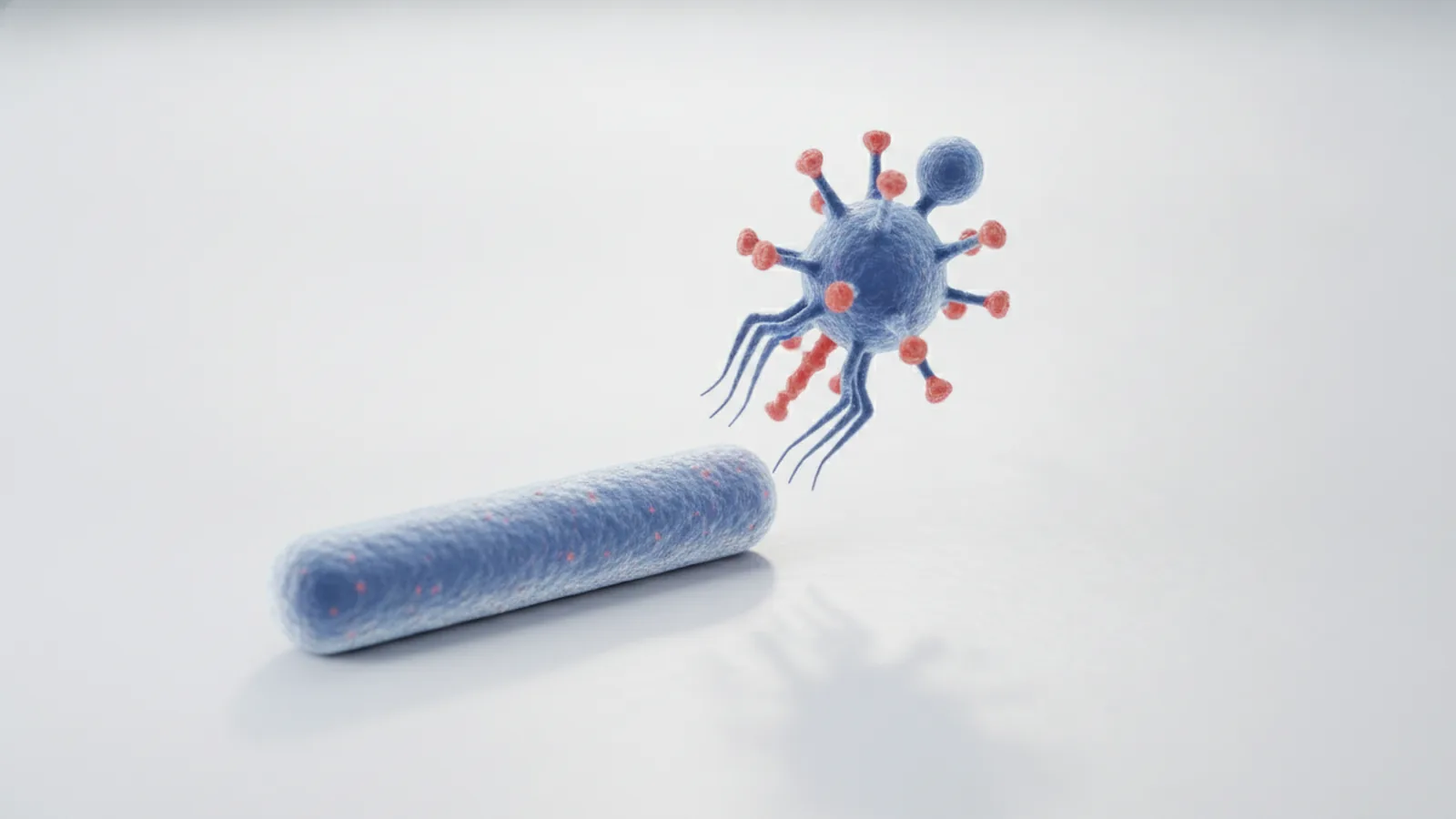
What Is Lysogenic Conversion?
Lysogenic conversion occurs when a temperate bacteriophage changes the traits of an infected bacterium. The phage adds new genetic instructions to the cell. Those instructions can raise bacterial virulence, change surface traits, or block other phages.
A temperate phage can follow two paths inside a host cell. In the lysogenic cycle, its DNA joins the bacterial genome. In the lytic cycle, the phage makes copies and breaks open the cell.
The joined phage DNA is called a prophage. It can copy with the bacterial genome during cell division. Each daughter cell may then carry the same phage genes.
This process does not always harm the bacterium. In some cases, it gives the cell a useful trait. These traits can help the bacterium infect hosts or survive harsh settings. The NCBI overview of bacteriophage biology explains these two phage life paths.
How the Lysogenic Conversion Mechanism Works
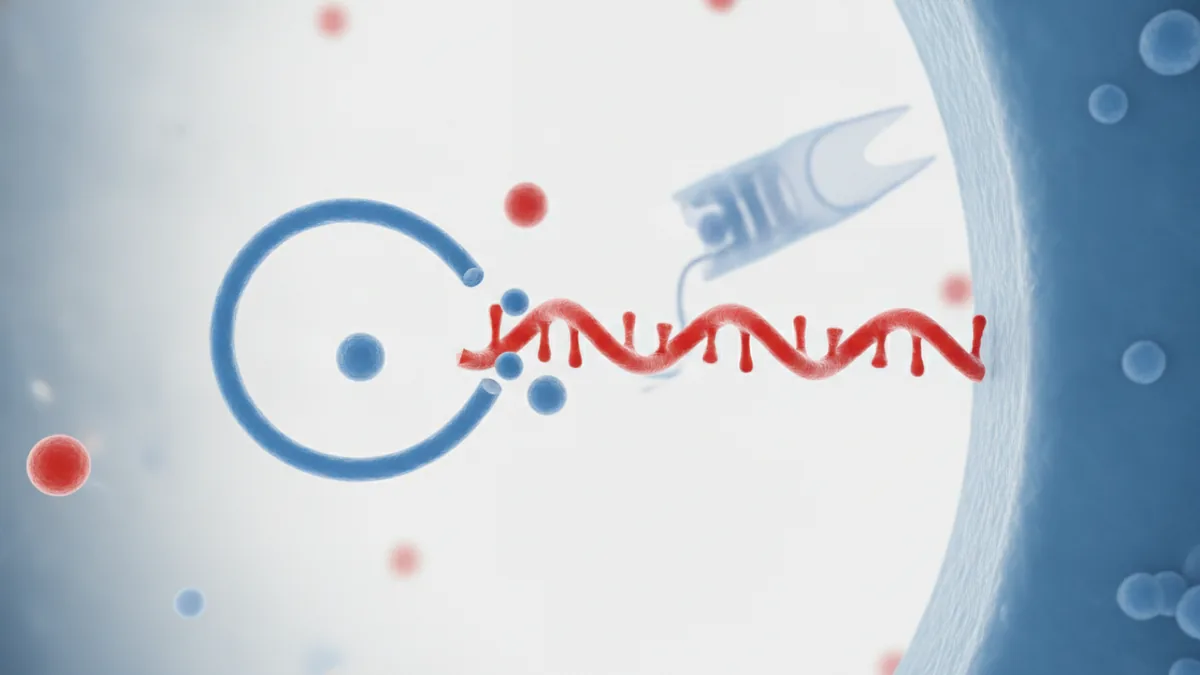
The process starts when a bacteriophage attaches to a matching cell. It injects its genetic material into the bacterium. The phage then takes control of key cell systems.
Some phage genes guide DNA joining. The phage DNA inserts at a set site or at a similar DNA sequence. This step forms the prophage.
Most prophage genes stay quiet during the lysogenic cycle. A repressor protein helps keep them off. The host cell grows and divides as usual.
Some prophage genes remain active. They may code for a toxin, a surface protein, or a defense system. This is the core of phage conversion. The bacterium gains a new phenotype without changing its own DNA alone.
- The phage attaches to a suitable bacterial cell
- Phage DNA enters the cell and joins the host genome
- The prophage copies during bacterial growth
- Active phage genes alter the cell's traits
- A stress signal may trigger prophage induction
Prophage induction starts when the quiet phage switches back on. UV radiation can damage host DNA and trigger this switch. The phage may then leave the bacterial genome and enter the lytic cycle.
Clear Examples of Lysogenic Conversion
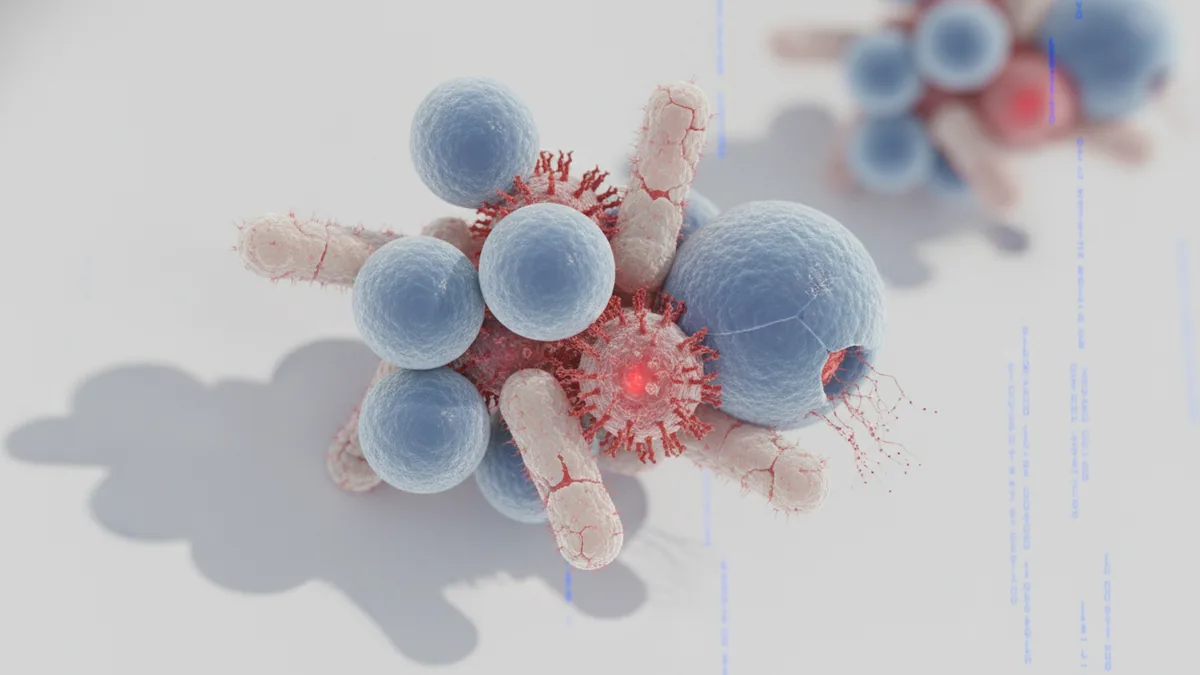
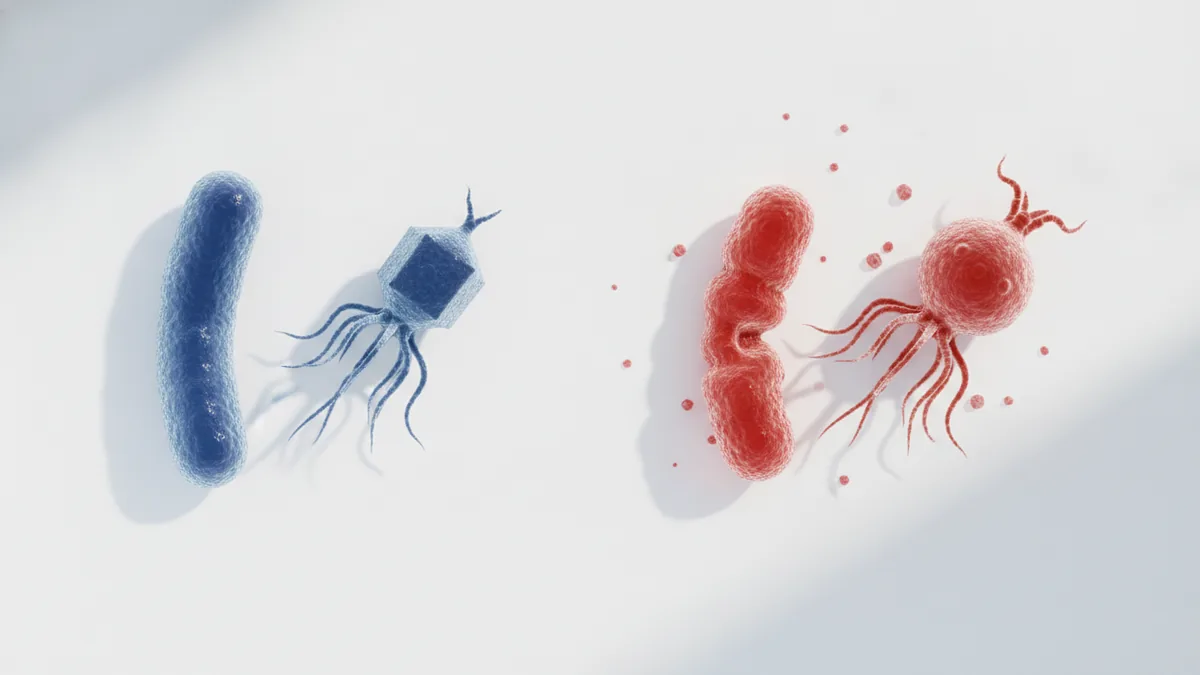
Corynebacterium diphtheriae shows one of the best known examples. Some strains make diphtheria toxin only after infection by a matching phage. The phage carries the toxin gene.
Without that phage gene, the bacterium lacks this key virulence factor. After conversion, the bacterium can release the toxin. This change can turn a less harmful strain into a serious pathogen.
Vibrio cholerae offers another major example. A phage called CTXφ carries genes for cholera toxin. When the phage infects a suitable strain, the prophage can add those genes to the bacterial genome.
The converted bacterium may then make cholera toxin. That toxin drives the severe watery diarrhea linked with cholera. Phage infection therefore changes both the bacterium and its disease risk.
Other phage genes can affect traits beyond toxin release. They may support biofilm formation, surface attachment, or resistance to other phages. Reports also link phage effects with biofilm traits in Bacillus anthracis and sporulation traits in Bacillus subtilis. These effects depend on the exact strain and phage pair.
| Bacterium | Phage-linked change | Possible result |
|---|---|---|
| Corynebacterium diphtheriae | Diphtheria toxin production | Greater tissue damage |
| Vibrio cholerae | Cholera toxin production | Severe intestinal disease |
| Bacillus species | Biofilm or spore-related traits | Better survival in some settings |
How Conversion Can Raise Bacterial Virulence
Bacterial virulence means the ability to cause harm in a host. Lysogenic conversion can raise virulence by adding a new toxin gene. It can also change how the cell attaches, spreads, or avoids attack.
A toxin gene is often the clearest example. The bacterium gains a tool that damages host cells. It may then cause disease at a lower dose or spread more easily.
Conversion can also alter phage resistance. A prophage may block entry by a second phage. This defense can help the host bacterium keep growing when phages are nearby.
Not every converted cell becomes more dangerous. A new phage gene may slow growth or harm the host cell. The final effect depends on the gene, the bacterium, and the host environment.
- Toxin release may increase tissue damage
- Surface changes may improve host attachment
- Biofilms may shield cells from stress
- Phage resistance may improve survival
- Growth speed may fall when prophage genes cost energy
Why Lysogenic Conversion Matters for Evolution
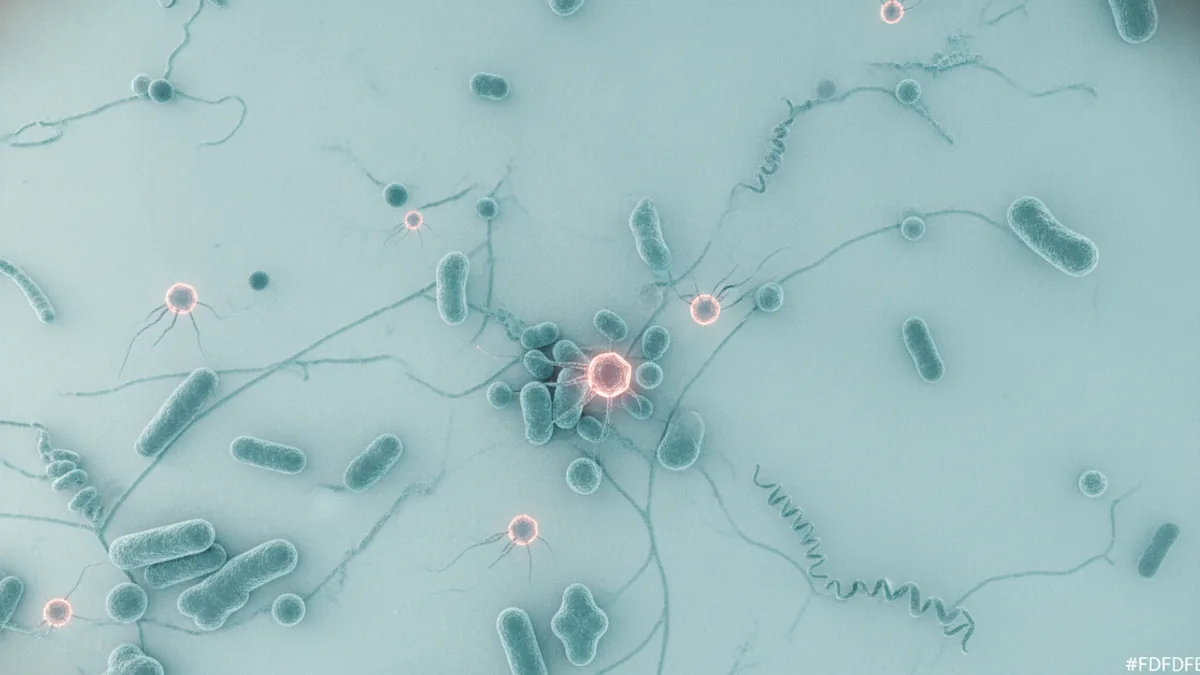
Lysogenic conversion gives bacteria a fast route to new traits. A phage can move useful genes between cells. This form of gene flow can speed pathogen evolution.
The bacterium does not need to build each trait from scratch. It receives a working set of instructions in one infection. Natural selection can then favor cells that gain a clear benefit.
Prophages also create sites for DNA change. Their insertion can shift nearby genes or cause later DNA exchanges. These events may change cell behavior over many generations.
The benefit can change with the setting. A toxin may help during infection but cost energy in soil. A biofilm trait may help on a surface but slow growth in liquid.
Phage and bacterial genomes therefore shape each other. Bacteria evolve defenses against phages. Phages evolve ways to enter cells and keep their genes active. This ongoing contest affects viral behavior and bacterial survival.
Can Prophage Induction Be Prevented?
Researchers cannot prevent every prophage switch in a living bacterial community. They can reduce known triggers and track strains that carry risky prophages. Careful lab work also helps reveal when induction occurs.
UV radiation is one known trigger. DNA damage can weaken the repressor that keeps prophage genes quiet. Heat, chemical stress, and some forms of cell damage may also promote induction.
In a lab, teams can limit strong UV exposure and avoid needless cell stress. They can test cultures for prophage release after a treatment. They can also compare growth with and without the suspected trigger.
- Check whether the bacterial strain carries a prophage
- Limit UV and other strong DNA-damaging stress
- Watch for cell lysis or new phage particles
- Test toxin and surface traits after each treatment
- Use safe containment when working with harmful strains
These steps do not remove prophage genes. They lower the chance of an unwanted switch during testing. Clinical control still depends on diagnosis, treatment, hygiene, and public health measures.
Conclusion: A Small Genome Change With Large Effects
Lysogenic conversion is a phage-driven change in bacterial phenotype. It begins when phage DNA joins the bacterial genome as a prophage. The new genes can affect toxins, biofilms, spores, or phage resistance.
The examples of diphtheria and cholera show why this process matters. A phage can give a bacterium a trait that changes its disease risk. The same process can help bacteria survive outside a host.
Future research will map more prophage genes and their effects. It will also track when induction occurs in real microbial communities. This work may improve phage therapy, outbreak tracking, and drug discovery.
The key lesson is simple. A bacteriophage can be more than a cell killer. It can also act as a carrier of traits that reshape bacterial behavior.
Frequently asked questions
- What is lysogenic conversion?
- Lysogenic conversion occurs when a temperate bacteriophage changes a bacterium's traits. The phage DNA joins the bacterial genome as a prophage.
- How does lysogenic conversion occur?
- The phage DNA integrates into the bacterial genome. It then copies with the host DNA during cell division.
- Can lysogenic conversion make bacteria more harmful?
- Yes. Some phages carry toxin genes that raise bacterial virulence. Diphtheria toxin and cholera toxin are key examples.
- What is a prophage?
- A prophage is phage DNA stored inside the bacterial genome. It can stay quiet or switch into the lytic cycle.
- What triggers prophage induction?
- UV radiation can damage bacterial DNA and trigger prophage induction. Other strong cell stresses may also cause the switch.
- How can prophage induction be reduced?
- Researchers can limit known stress triggers and test cultures for phage release. They must also use suitable safety controls for harmful strains.
Related reading
What Is Phage Conversion? How Lysogenic Change Shapes Pathogens
Understand what phage conversion is, how it works, and why it can boost virulence.

How Can You Represent an API in a Diagram?
Map API calls, systems, and responses with diagrams that teams can use and update.

What Is Full Stack Software Development?
See how full stack developers build and connect the parts of modern software.