What Is Phage Conversion? Lysogenic Changes in Bacteria
Learn what phage conversion is, how prophages integrate, and why lysogenic conversion can boost bacterial virulence and survival.
Introduction to phage conversion
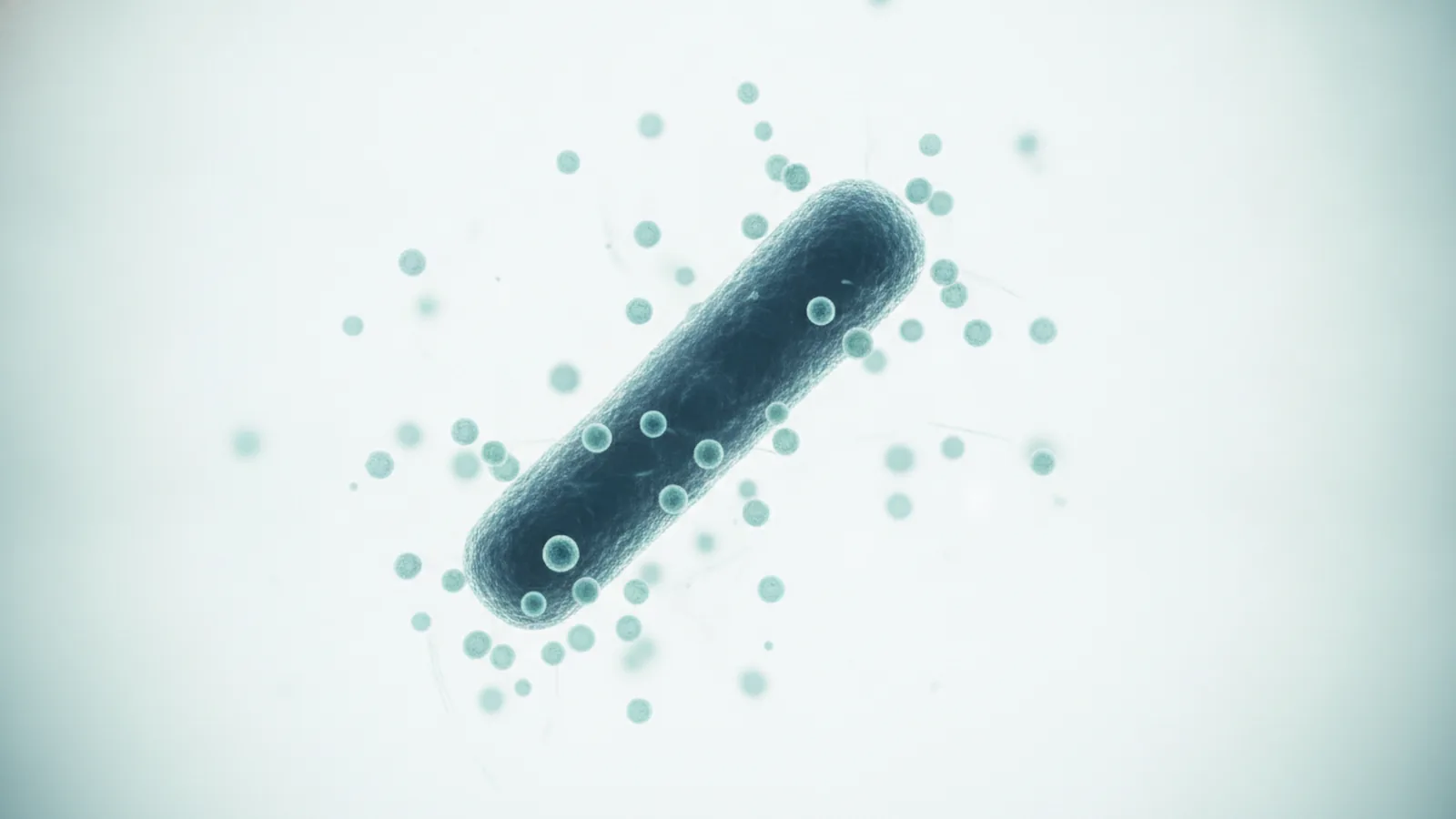
What is phage conversion? It is when a virus changes a host bacterium’s traits from inside. The best-known form is lysogenic conversion. It happens when a prophage plugs into the host DNA and stays there.
This can make a bacterium look and act different. The change can last for many cell cycles. That is because the prophage can pass to daughter cells during growth.
In this way, phage conversion can help drive new traits in bacterial lines. It is also a clear case of coevolution between bacterium and phage. The phage gains a safe home. The bacterium may gain useful features.
Mechanisms of phage infection
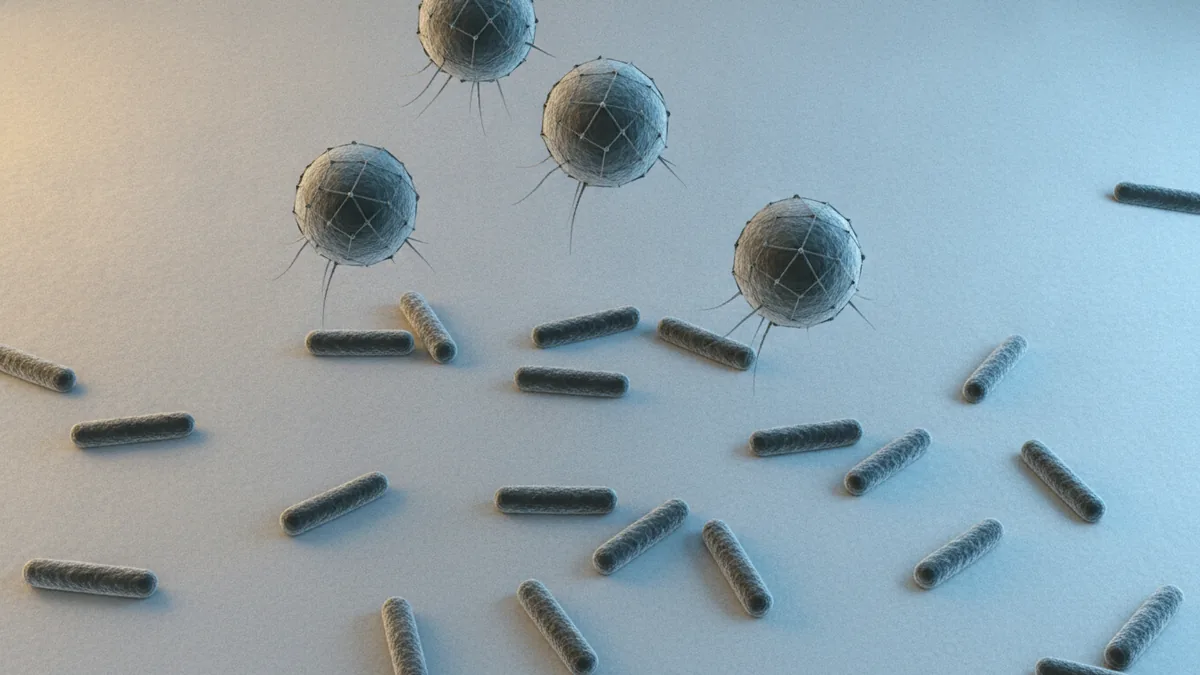
Bacteriophages start by finding a right host cell. They bind to a cell surface part that fits their tail. Then they push their DNA into the cell.
After DNA entry, the phage faces a choice point. It can begin making new phage parts. Or it can hide as a prophage inside the host DNA.
This choice depends on phage genes and host state. Host stress can nudge the decision. DNA repair and defense tools also matter.
Punchy view: bind, enter, then choose a path.
- Adsorption: phage sticks to host parts
- DNA delivery: phage DNA enters the cell
- Path choice: lysogenic setup or lytic takeover
- End result: quiet carry or cell break
Labs test this with DNA mapping and gene readouts. They also watch if the cell later makes more phage. Those checks help confirm true conversion.
Lysogenic cycle vs. lytic cycle
The lysogenic cycle is the long game. A prophage integrates into the host genome. The host then copies that DNA as it divides. Cells often keep growing normally.
The lytic cycle is the fast game. The phage gene set takes over the cell. New phage parts build up. Then the cell bursts, releasing new virions.
So the survival plan differs. Lysogeny keeps the host alive. Lysis trades host life for fast spread.
Stress can flip the plan back again.
| Feature | Lysogenic cycle | Lytic cycle |
|---|---|---|
| Where phage DNA sits | In the host genome as prophage | Not as a stable integrated state |
| Host effect | Often mild changes at first | Cell death by burst |
| Main goal | Carry and wait | Make many new phages |
| Key switch | Induction under stress | Lysis program turns on |
Induction is the switch from quiet to burst. It can follow UV light that harms DNA. It can also follow other cell stress signals.
Role of prophages in bacterial evolution
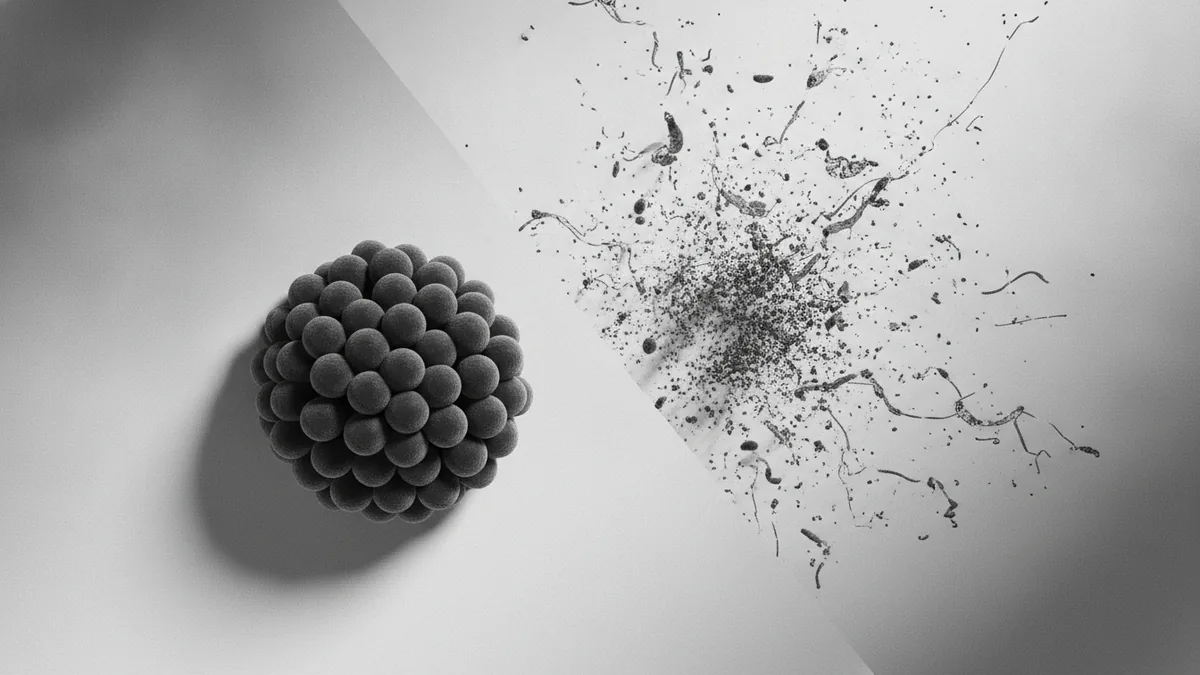
Prophages are latent bacteriophages that enter the host genome. “Latent” means they are quiet most of the time. Yet they are still there and can be passed on.
As the bacterium replicates, the prophage can replicate too. That means the prophage can spread without killing the host. This makes prophage impact a long-term force.
Prophages can also carry extra genes. Those genes can change cell traits. They may alter how a cell coats itself or how it handles stress.
Sometimes the change boosts fitness in a niche. Fitness means survival and growth under set conditions. In other cases, the load can slow growth. Then selection may remove the prophage over time.
This is where symbiotic links can form. The phage needs a home. The bacterium may gain a benefit.
- Integration: prophage joins host DNA
- Inheritance: prophage persists through division
- Trait shift: genes or controls change
- More diversity: new gene mixes arise
- Long coevolution: both sides adapt
Because phages move DNA across strains, they drive gene flow. This links to horizontal gene transfer. It is gene movement not tied to parent-to-child lines.
Examples of phage conversion in pathogens
Many key virulence traits come from prophages. Virulence factors are traits that help cause harm in a host. Prophages can deliver them or boost their use.
In Vibrio cholerae, cholera toxin is tied to a prophage. When that prophage is present, toxin output can rise. That links lysogenic conversion to disease spread.
In Corynebacterium diphtheriae, diphtheria toxin is also tied to prophage DNA. Only strains with the prophage make the toxin. That helps explain why toxigenic and non-toxigenic strains differ.
Pattern: prophage add a weapon, then cells express it.
- Pick a pair of strains that differ in toxin traits
- Check genomes for matching prophage DNA
- Measure gene output under the right lab cues
- Induce switching and see if lytic traits rise
- Test function to link the trait to prophage genes
Not all conversion targets toxins. Some prophages change cell stay power. They may change stickiness, biofilm traits, or immune evasion.
Impact on bacterial virulence and fitness
Lysogenic conversion can raise bacterial virulence factors in several ways. A prophage may add a toxin gene. It may also add a control gene that boosts host gene use.
The effect can depend on the host environment. Inside a body, cells face stress and DNA harm. Those cues can favor induction toward the lytic cycle.
But lysis can also hurt spread at the wrong time. Burst kills the host cell that carried the prophage. Still, released phage can infect fresh cells.
So fitness is a balance, not a guess.
- Trait gain: toxins or new surface parts
- Control shift: higher or timed gene use
- Trade-off: added DNA can slow growth
- Timing: induction can change when traits show
- Population shift: burst can seed new infections
Researchers often model this with growth curves and infection readouts. They compare converted and non-converted strains in the same setup. Those tests help separate true gains from side effects.
Core idea: conversion changes traits, and outcomes hinge on conditions.
Over time, these steps can shape which bacterial lines expand. It is a key reason phage conversion shows up in real outbreaks.
Concluding thoughts on phage conversion
Phage conversion is a trait shift caused by a lysogenic phage. A prophage integrates into the host DNA and can pass on at cell division. Under stress, induction can push the prophage back into a lytic mode.
This creates a strong evolutionary engine. It supports gene flow and new trait mixes across strains. It also shapes bacterial diversity in natural settings.
When you study disease, prophage content often matters. It can point to which strains can make key virulence factors. It can also hint at how fast traits may spread.
That is why phage biology is central to pathogen change.
Frequently asked questions
- What is phage conversion in bacteria?
- Phage conversion is when lysogenic phage DNA changes a bacterium’s traits. It happens after prophage integration into the bacterial genome.
- How does lysogenic conversion work?
- A prophage integrates into the host chromosome and then stays quiet. It can still affect gene use and can pass to daughter cells.
- What is a prophage?
- A prophage is a phage genome that sits inside the host DNA. It is often silent, but it can still affect the host phenotype.
- What triggers prophage induction into the lytic cycle?
- Induction can start when cells face strong stress or DNA harm. UV light is a well known trigger.
- How do prophages increase bacterial virulence factors?
- Some prophages carry toxin genes or control genes. They can raise toxin output or shift timing of key traits.
- What are real examples of lysogenic conversion in pathogens?
- Cholera toxin in Vibrio cholerae is linked to prophage DNA. Diphtheria toxin in Corynebacterium diphtheriae is also tied to a prophage.
Related reading
Lysogenic Conversion: How Phages Change Bacterial Behavior
See how phages reshape bacterial traits, virulence, and survival.

Is Ecommerce Growing, and Why Does It Matter?
Learn what drives ecommerce growth and where online stores can stumble.

What Is a Headless API, and How Does It Power eCommerce?
See how headless APIs link flexible storefronts with eCommerce back ends.