What Is Power Conversion? Types, Uses, and Benefits
Learn what power conversion is, how AC and DC converters work, where they are used, and why they matter for solar, wind, batteries, and power grids.
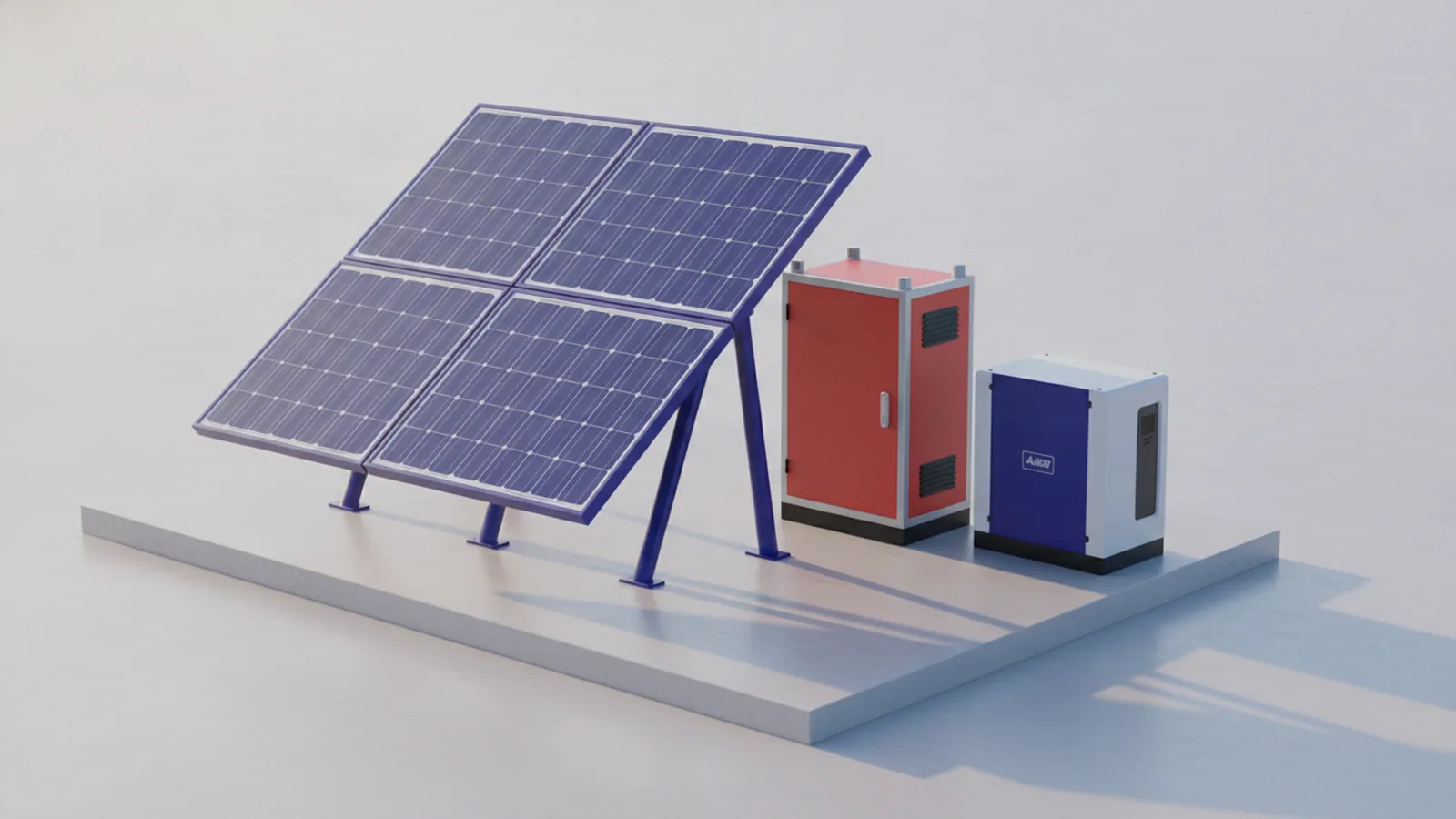
What Is Power Conversion?
Power conversion is the process of changing electrical energy from one form into another. Common examples include AC to DC conversion and DC to AC conversion. AC means alternating current. DC means direct current.
Most electronic devices need a specific voltage and current. A wall outlet may supply 120 or 230 volts AC. A phone battery needs low-voltage DC instead. A power converter makes that change safely and steadily.
Power conversion also controls the flow of energy. It can raise voltage, lower voltage, or change frequency. This control helps devices run well and protects them from power changes.
Major Types of Power Conversion
The main types of power conversion depend on the input and output forms. Each type suits a different job. A power converter may handle one stage or several stages in one system.
| Conversion type | What it does | Common use |
|---|---|---|
| AC to DC | Changes alternating current into direct current | Phone chargers and computers |
| DC to DC | Raises or lowers a DC voltage | Batteries and vehicle electronics |
| DC to AC | Changes direct current into alternating current | Solar inverters and backup power |
| AC to AC | Changes AC voltage or frequency | Motor drives and heating systems |
AC/DC power supplies appear in nearly every electronic product. They often use a rectifier to turn AC into DC. A filter then smooths the output voltage.
DC/DC converters serve batteries, computers, and vehicles. Buck converters lower voltage. Boost converters raise voltage. Buck-boost converters can raise or lower voltage, based on the input level.
DC/AC inverters power homes from batteries or solar panels. They create an AC waveform from a DC source. Many use pulse width modulation to shape that waveform and control output voltage.
Where Power Conversion Systems Are Used
Power conversion supports nearly every modern electrical system. It appears in chargers, data centers, electric vehicles, appliances, and factory machines. The right converter keeps each load within its safe voltage range.
In an electric vehicle, several converters work together. One unit charges the battery from grid power. Another feeds power to the motor. Small converters supply lights, screens, sensors, and control systems.
Industrial equipment uses converters to control motor speed. A lower motor speed can cut energy use during light work. Precise control also reduces stress on gears and bearings.
- Computers use compact supplies to create several DC voltage rails
- Telecom systems use converters to protect steady network power
- Battery systems use converters during charging and discharge
- Factories use motor drives to control speed and torque
Converter design also affects noise and heat. Poor filtering can send unwanted electrical noise into nearby circuits. Good design limits that noise and keeps the system stable.
Why It Matters for Renewable Energy
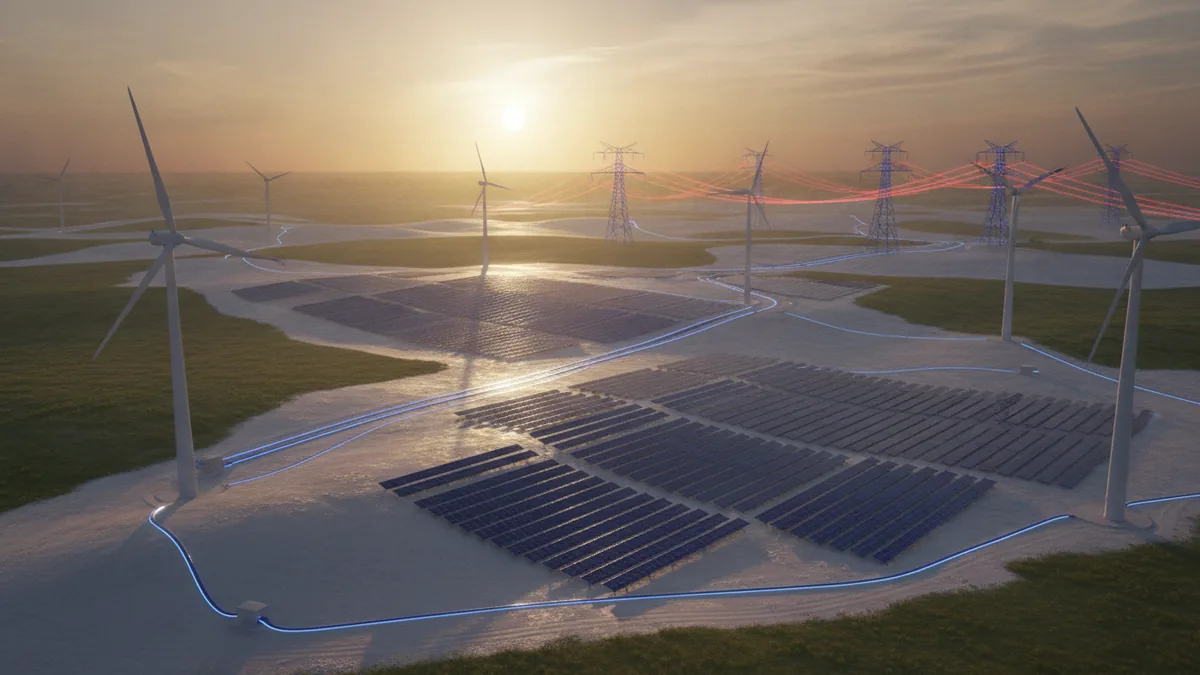
Solar panels produce DC power, while most power grids use AC power. An inverter links the two systems. It changes solar output into grid-ready AC power.
Wind turbines create variable electrical output as wind speed changes. Power conversion steadies that output before it reaches the grid. The converter can also match grid voltage and frequency.
Renewable energy power conversion must respond to changing supply and demand. Grid-connected inverters can adjust real power and reactive power. These functions help keep grid voltage within a safe range.
The National Renewable Energy Laboratory's renewable grid research shows why flexible grid tools matter as renewable share grows. Power converters provide much of that flexibility at the source.
Energy storage systems add another conversion step. A battery stores DC energy. A bidirectional converter moves energy into the battery and back out again. This lets stored power support the grid during peak demand.
Key Parts of a Power Conversion System
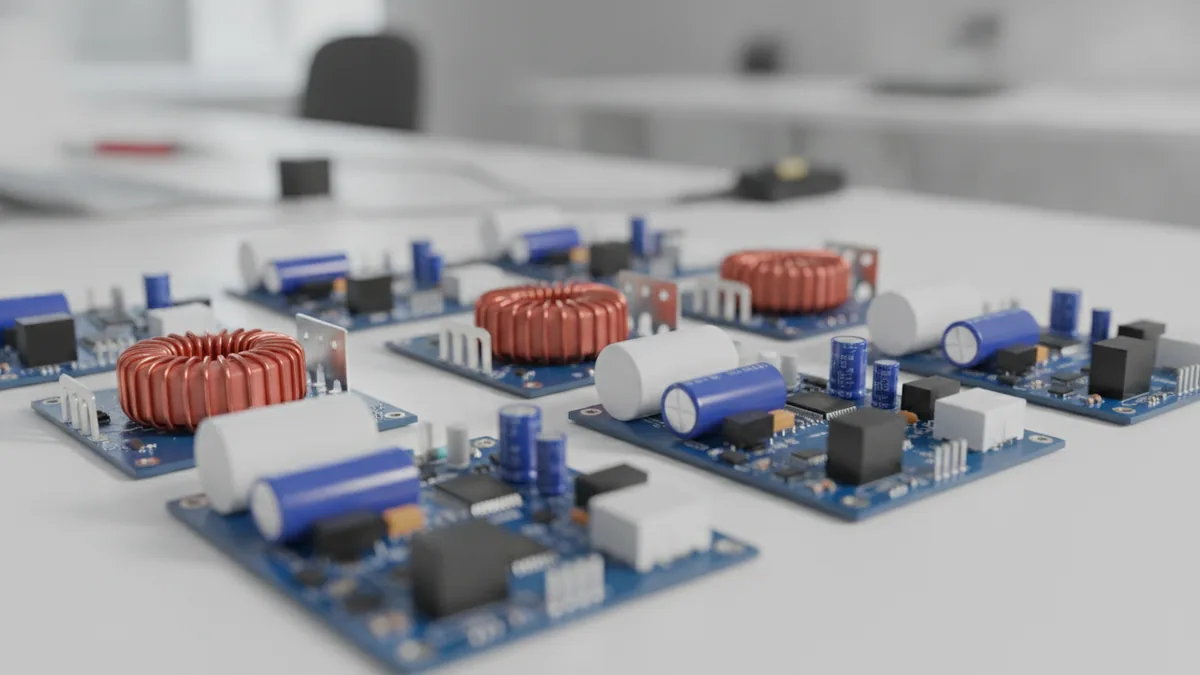
A conversion system combines power parts, sensors, and control software. Each part has a clear role. Together, they shape voltage, current, heat, and safety.
- Rectifier: Changes AC input into DC power
- Switches: Turn current on and off at high speed
- Inductors and capacitors: Smooth current and voltage
- Transformer: Changes voltage and adds isolation
- Controller: Adjusts switching to meet output targets
- Heat sink: Moves heat away from active parts
Modern systems often use metal-oxide semiconductor field-effect transistors, known as MOSFETs. Larger systems may use insulated-gate bipolar transistors, known as IGBTs. These switches handle high current with fast response.
Sensors measure input voltage, output voltage, current, and temperature. The controller uses those readings to change switch timing. It can shut the system down during an overload or short circuit.
Isolation can protect users and sensitive circuits from the input source. A transformer often provides this barrier. Not every converter needs isolation, so the design depends on the system.
Efficiency, Reliability, and System Value
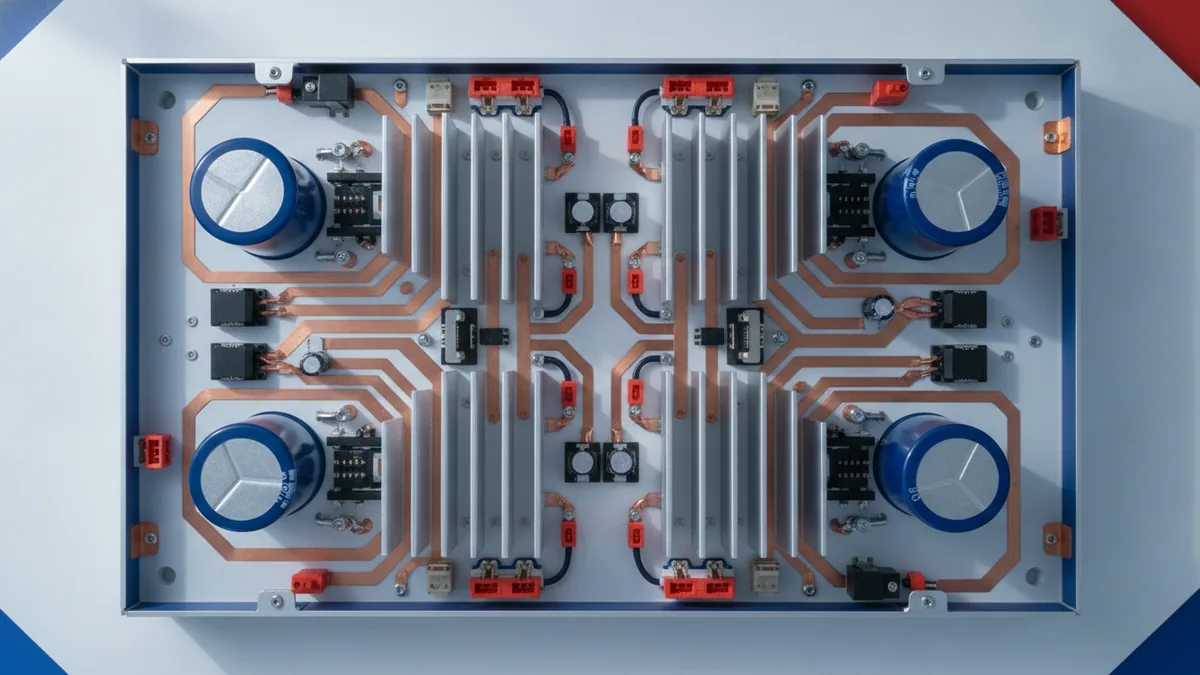
Power conversion efficiency is the ratio of output power to input power. For example, a converter that takes 100 watts and delivers 92 watts has 92 percent efficiency. The remaining 8 watts become heat or other losses.
Small losses matter when a system runs all day. A 1-kilowatt converter at 92 percent efficiency loses 80 watts. At 98 percent efficiency, it loses only 20 watts. Less heat can lower cooling needs and extend part life.
Efficiency also affects operating cost. Data centers may run thousands of power supplies at once. Better efficiency cuts wasted energy across every rack.
Designers must balance efficiency with cost, size, speed, and safety. A very fast switch may cut some losses. It may also create more electrical noise. The best design fits the full system, not one measure alone.
Challenges in Power Conversion
Power converters face heat, electrical noise, faults, and changing loads. High current creates heat in switches, wires, and circuit paths. Engineers must move that heat away before parts reach unsafe temperatures.
Switching also creates electromagnetic interference. Filters, careful circuit layout, and shielded paths can reduce this effect. Testing must cover both normal use and fault conditions.
Renewable systems add more challenges. Solar output can change within seconds when clouds pass. Wind output can shift as gusts rise and fall. The converter must respond without harming grid stability.
Control systems must also manage many sources at once. A smart grid may combine solar panels, batteries, vehicles, and utility lines. Clear limits and fast controls help prevent overloads.
Future systems will need better materials and stronger controls. Wide-bandgap parts, such as silicon carbide and gallium nitride, can switch with lower losses. These parts may shrink cooling systems and support higher power density.
Power conversion is the link between a power source and a useful load. It changes voltage, current, frequency, or waveform as needed. In renewable systems, it also connects variable energy to stable grids.
Frequently asked questions
- What is power conversion?
- Power conversion changes electrical energy from one form into another. Examples include AC to DC, DC to DC, and DC to AC conversion.
- What are the main types of power conversion?
- The main types are AC to DC, DC to DC, DC to AC, and AC to AC conversion. Each type changes voltage, current, or frequency in a different way.
- What does a power converter do?
- A power converter changes voltage or current to suit a device or system. Common examples include chargers, inverters, and voltage regulators.
- Why is power conversion important in renewable energy?
- Solar panels produce DC power, while most grids use AC power. An inverter changes solar DC into grid-ready AC.
- How is power conversion efficiency measured?
- Efficiency equals output power divided by input power. A converter that delivers 92 watts from 100 watts has 92 percent efficiency.
- What are buck, boost, and buck-boost converters?
- Buck converters lower voltage, boost converters raise voltage, and buck-boost converters can do either. The input and output needs decide which topology fits.
Related reading

Does the Clock Run on a 2-Point Conversion?
The try stops the clock, but the next play and league rules shape what happens after.

How Do You Start an Ecommerce Company?
Plan, test, launch, and grow an ecommerce business with less guesswork.

What Is Data Conversion, and When Do You Need It?
See how data conversion makes information work across tools and systems.