What Is Biomass Conversion? Processes, Types, Impacts
Learn what biomass conversion is, the main biomass energy processes, common biomass types, key applications, and the real environmental impacts.
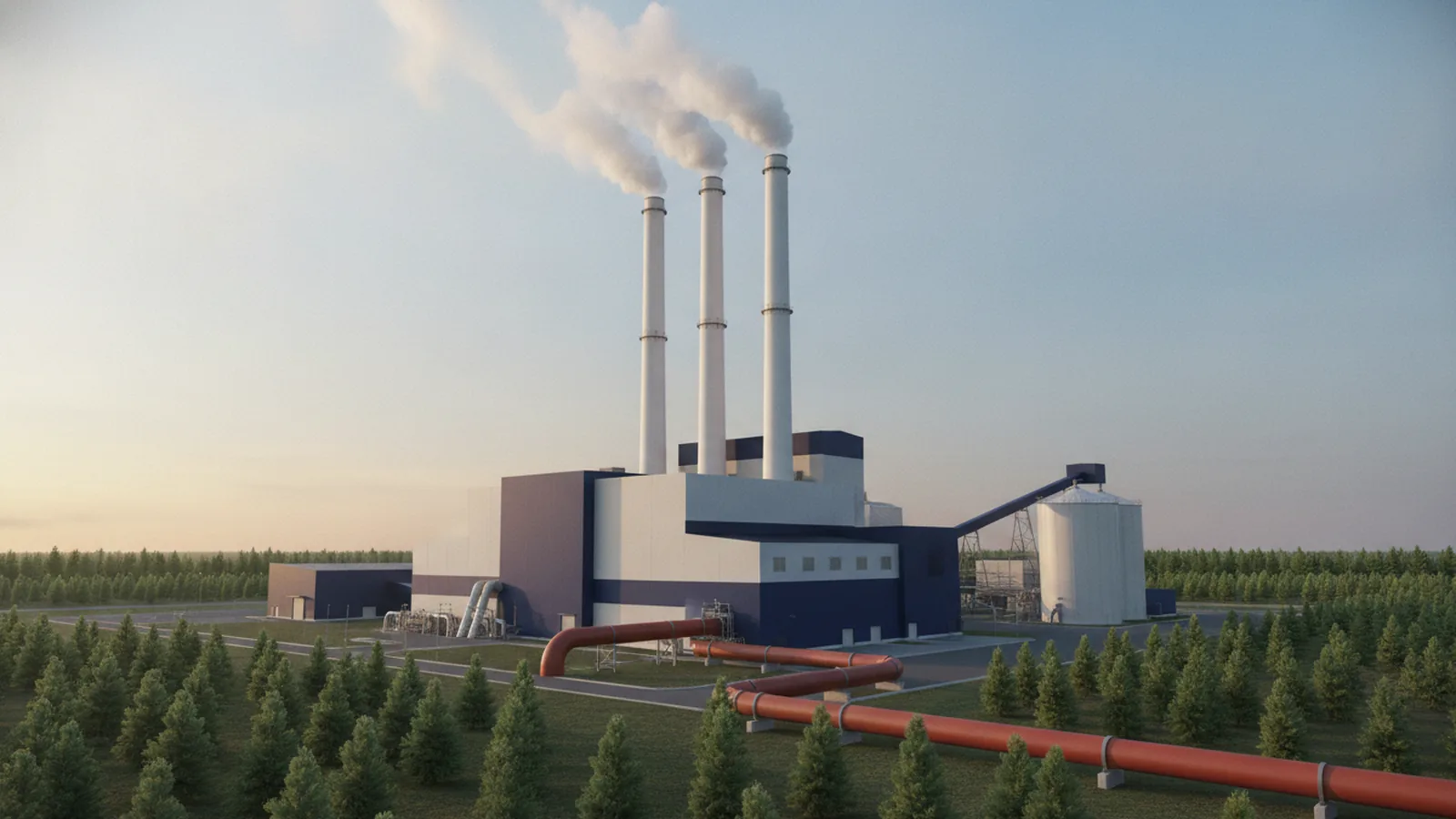
What is biomass conversion, in plain terms?
What is biomass conversion? It is how we turn organic stuff into usable energy. Plants store energy as chemical bonds. Then, we release part of that energy through heat, chemistry, or biology.
This process uses biomass feedstock from farms and waste streams. It can be wood, crop leftovers, food waste, or manure. The main outputs are power, heat, and transport fuels. Each output needs a fit-for-purpose conversion method.
Biomass conversion is often grouped under renewable energy. It can support carbon neutrality plans. Yet the results depend on how you grow or source the biomass. Bad sourcing can undo the climate gains.
- Input: organic matter called biomass feedstock
- Output: power, heat, or biofuels
- Route: combustion, heat chemistry, chemical steps, or microbial steps

Processes of biomass conversion: four main routes
Biomass energy processes usually follow four main routes. Each route breaks biomass in a different way. The choice depends on feedstock moisture and what product you want.
Direct combustion is the simplest path. You burn biomass to make heat. That heat can boil water and spin a turbine. It is common for power and industrial heat.
Thermochemical conversion uses heat to change biomass chemistry. In gasification, a low-oxygen setting makes a burnable gas. In pyrolysis, heat drives off gases and leaves char. These routes suit many dry feedstocks.
Chemical conversion uses reactions to form fuel-like products. One example is turning oils into biodiesel through chemical steps. Another path makes fuel from sugar-rich parts after pre-cleaning. This route fits when you need liquid fuels.
Biological conversion relies on microbes to digest biomass. In anaerobic digestion, bacteria work without oxygen. They produce biogas, mainly methane. You can use biogas for heat and power.
| Process type | Typical biomass feedstock | Main product |
|---|---|---|
| Direct combustion | wood chips and pellets | heat and electricity |
| Thermochemical | dry residues and wood | syngas, bio-oil, char |
| Chemical conversion | oils or sugars after prep | biofuels and feedstocks |
| Biological conversion | food waste and manure | biogas and digestate |
- Moisture drives fit: wet biomass often works best biologically.
- Dry fuels help: dry biomass often works best for combustion.
- Target drives design: fuels need deeper steps than heat.

Biomass types: what counts as biomass?
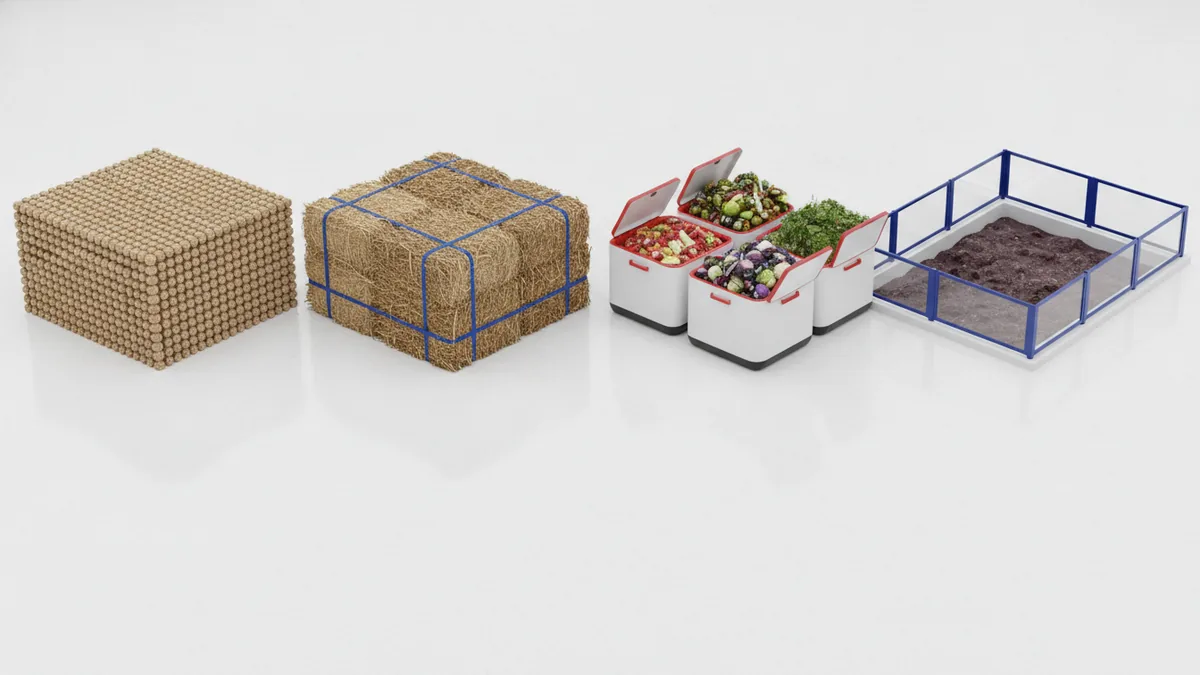
Biomass types are based on where the organic matter comes from. They also vary by how much water they hold. In general, biomass is any usable organic feedstock.
Wood is a common biomass type. It includes logs, chips, and pellets. Wood stores energy well. Pellets also make supply more even from batch to batch.
Agricultural residues are leftovers after harvest. Straw and husks are typical examples. They can be cheap and available in many regions. Still, collecting too much residue can hurt soil cover.
Food waste is often wet and mixed. It can include scraps and spoiled products. Because it is wet, it often fits anaerobic digestion well. That route can cut waste volume while making biogas.
Animal waste includes manure from farms. It is usually rich in organic matter. That makes it good for anaerobic digestion too. Digesters can also reduce bad odor when managed well.
Some projects also use energy crops grown for fuel. That can improve supply. It can also raise land and water questions. So, sourcing details matter.
- Wood: dry, energy dense, good for direct combustion
- Agricultural residues: often cheaper, but vary by harvest
- Food waste: wet feed, good for anaerobic digestion
- Animal waste: stable wet feed for biogas
Biomass applications: electricity, heat, and biofuels
Biomass applications usually land in three buckets. You can make electricity, provide heat, or produce biofuels. The process type often sets what products are practical.
Electricity generation often uses direct combustion or thermochemical steps. In combustion power plants, heat makes steam. Then a turbine produces electricity. In gasification plants, syngas can feed a generator or fuel unit.
Heating is the easiest use case for many sites. District heat systems can use biomass boilers. Industrial plants can burn pellets to supply steam. Heat is often steady, which helps plant uptime.
Transportation fuels need deeper work. Biofuels like ethanol and biodiesel need chemical or biological steps. Some routes start from oils. Others start from sugars after careful cleanup.
Many real plants link uses together. A site can make power and also share heat. Another site can make biogas and handle digestate for land use. Those byproducts must be managed with care.
| Goal | Common feedstock | Typical route |
|---|---|---|
| Electricity | chips and pellets | direct combustion or thermochemical |
| Heat | clean wood waste | boilers and combustion |
| Transport fuels | oils or sugar parts | chemical or biological steps |
Environmental impact of biomass conversion: benefits and limits
The environmental impact of biomass conversion is not one number. It depends on the full life path from feedstock to power output. That includes land use, transport, and plant efficiency.
Potentially, biomass can cut greenhouse gas emissions versus fossil fuels. The basic idea is simple. Plants take in carbon as they grow. Then conversion releases some of that carbon later.
But this can fail if biomass sourcing is not sustainable. Cutting forests and then burning them can spike emissions. Also, delays in regrowth can push impacts into the near term. That can break the climate math.
Air quality matters too. Direct combustion can produce smoke and fine particles. Pollution controls can reduce them, but performance varies. Fuel quality also changes how clean the burn is.
Water quality is a big sustainability concern. Some feedstocks need fertilizer to grow. Nutrients can wash into rivers and lakes. That can cause algae blooms and harm fish.
Nutrient release also comes from handling waste feedstocks. Digesters make digestate, which carries nitrogen and phosphorus. Overuse on fields can push nutrients into waterways. So, plans for rates and timing are essential.
- Benefit: lower life-cycle emissions can happen
- Risk: bad sourcing can erase gains
- Water risk: nutrient runoff can harm water quality
- Air risk: particles rise without strong controls
Future of biomass conversion: what is changing?
The future of biomass conversion focuses on two goals. We want better energy yield. We also want less harm across the chain.
Many upgrades target higher efficiency. That means more useful energy per unit of biomass. It can also cut how much feedstock you must move and store. Less waste is often a hidden win.
Thermochemical routes are also a growth area. Gasification and pyrolysis can make flexible intermediates. Those can later become heat, power, or fuels. That flexibility helps match local needs.
Feedstock planning is changing too. More projects aim to use residues and waste. That can reduce pressure on farmland. Yet residue removal must still protect soil health.
Policy and market rules will also shape adoption. Developers face more checks on emissions and water impacts. Clear data on sourcing and plant operations will likely decide winners.
If you compare options, follow the whole chain. Start with where biomass comes from. Then check the conversion route. Finally, check what happens to byproducts.
Biomass conversion can support renewable energy goals. Outcomes depend on feedstock care and strong process controls.
Frequently asked questions
- What is biomass conversion?
- Biomass conversion turns organic matter into energy. Outputs can include power, heat, and biofuels.
- What are the main biomass energy processes?
- Key routes are direct combustion, thermochemical conversion, chemical conversion, and biological conversion. Each route fits certain biomass types and goals.
- What biomass types are used most often?
- Common biomass types include wood, crop residues, food waste, and animal waste. Moisture and mix guide the best process choice.
- What are biomass applications?
- Biomass applications include electricity generation, heating, and making transport fuels. Many projects also manage byproducts on site.
- What is the environmental impact of biomass conversion?
- Biomass can lower greenhouse gas emissions versus fossil fuels in some cases. Risks include air smoke, poor sourcing, and nutrient runoff that harms water.
- Is biomass always carbon neutral?
- No. Carbon neutrality depends on feed sourcing, regrowth time, and total life-cycle emissions.
Related reading

How Can You Represent an API in a Diagram?
Map API calls, systems, and responses with diagrams that teams can use and update.

What Is Full Stack Software Development?
See how full stack developers build and connect the parts of modern software.

What Does API Access Mean for Your App or Business?
See how API access works, what it lets you do, and how to keep it safe.