GBP to USD Conversion: Rate, Method, and Tips
Learn how to convert GBP to USD using current mid-market rates, plus manual steps, online tools, history, and travel tips to avoid fees.

Current exchange rate (GBP to USD) and how to find it
The quick answer is: the conversion of pounds to dollars depends on the live GBP→USD rate right now. In practice, you multiply your GBP amount by the current mid-market exchange rate (then adjust for any provider fees). Because rates change during the day, you should check a source a few minutes before you convert.
To get an accurate number, look for the mid-market exchange rate. That is the “fair” rate before a bank or exchange adds its spread. A good workflow is to find a mid-market rate, note the timestamp, then compare it with what your bank or card charges.
Here is a simple way to check the rate correctly:
- Search for “GBP to USD mid-market rate” or use a reputable online converter.
- Confirm the quote is for GBP → USD (not the reverse).
- Copy the rate as a decimal (example: 1 GBP = 1.27 USD).
- Record the time so you can explain small differences later.
If you want a concrete example, assume the live rate is 1 GBP = 1.27 USD. Then £100 converts to about $127 before fees. Your final amount may be lower if the provider uses a wider spread or charges extra.

How to convert pounds to dollars (manual math + online tools)
Once you have the conversion rate for pounds to dollars, the math is straightforward. In most cases, you use: USD = GBP × (GBP→USD rate). This is the core of the currency conversion methodology used by most calculators.
Manual conversion is useful when you want to sanity-check quotes from an app, ATM, or bank statement. It also helps when you are converting a round number for budgeting.
Manual calculation example:
- Assume 1 GBP = 1.27 USD.
- Compute $ = £250 × 1.27.
- $ = 317.50 USD.
- Then subtract any fees or apply the provider’s rate if it differs from mid-market.
If you also need the reverse (what is the conversion of dollars to pounds), flip the formula: GBP = USD ÷ (GBP→USD rate). Example: $254 ÷ 1.27 ≈ £200.
Online converters and calculators make this faster and help you track small changes. When you compare tools, watch for these details:
- Do they show a mid-market rate or a “you will be charged” rate?
- Do they include commissions or spreads in the result?
- Do they show the effective rate and the time of the quote?
- Do they provide both directions (GBP→USD and USD→GBP)?
A good approach is to use an online converter for the mid-market benchmark. Then compare it to the rate offered by your provider so you know how much you are paying for convenience.
Historical GBP to USD exchange rates (last month, 3 months, and year)
Historical data is important because it explains why “today’s conversion” can feel better or worse than last week. Even if you only need one transfer, the last month and last year show the direction of market fluctuation effects and how volatile the pair is.
For context, check three windows: the last 30 days, the last 90 days, and the last 12 months. You do not need minute-level data. You mainly want the range and the trend: did GBP strengthen against USD or weaken?
Here is a practical template you can use when you look up history on a chart site or data table. Fill it with the high, low, and a “recent” mid value from your chosen source:
| Period | What to note | Why it matters |
|---|---|---|
| Last month | Approximate high and low for GBP→USD | Shows near-term volatility |
| Last 3 months | Trend and any swings around key dates | Helps you time purchases better |
| Last year | Big move(s) and current position vs average | Shows whether you are converting near a peak |
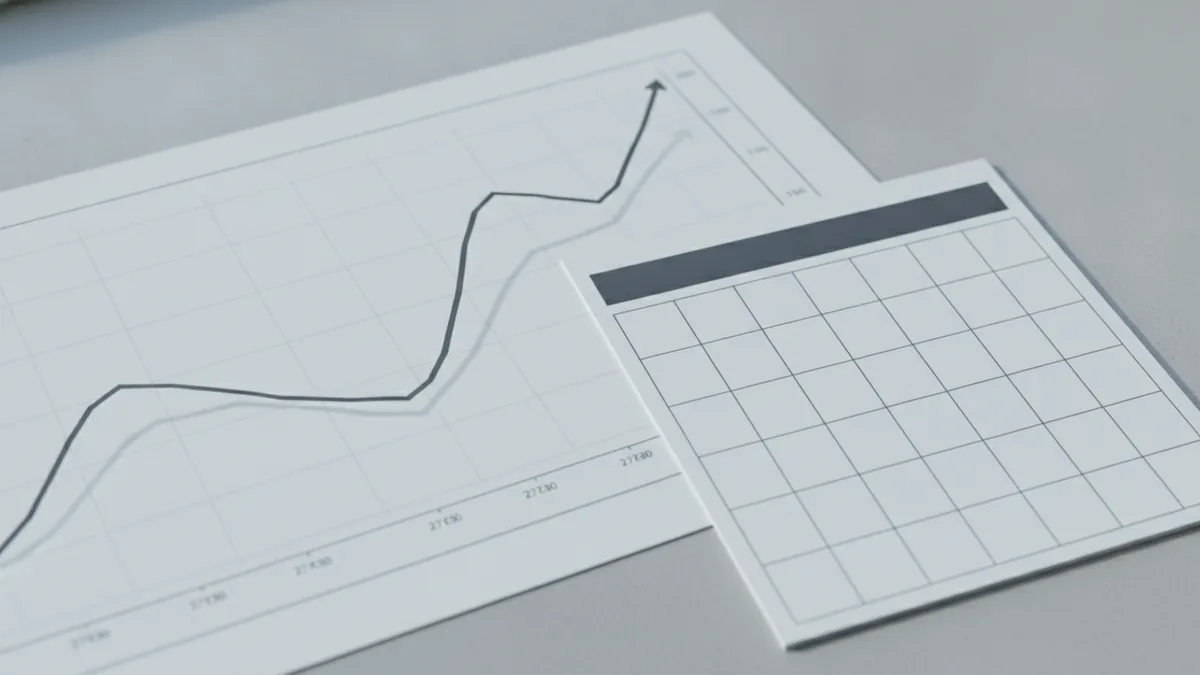
When you review the chart, focus on the exchange-rate slope, not just one number. If GBP→USD has risen recently, GBP has been stronger, so the what’s the conversion from pounds to dollars might look more favorable. If it has fallen, your USD per GBP amount may drop.
Important note: different providers can show slightly different historical series because of data source and timing. That is another reason to always treat “mid-market” as the benchmark and provider rates as the real charge.
Why GBP to USD rates change (economic indicators and market sentiment)
The GBP to USD pair moves due to macroeconomic forces and investor expectations. In plain terms, people buy and sell currencies based on which economy they expect to outperform, and the rate adjusts to balance supply and demand.
One major driver is the interest-rate outlook. If markets expect higher rates in the UK than in the US, investors may move funds toward GBP assets. That can lift the conversion rate for pounds to dollars. If the US outlook improves instead, USD can strengthen and GBP may weaken.
Impact of economic indicators often shows up through:
- Inflation readings and expectations
- Employment and wage reports
- GDP growth forecasts
- Central bank signals and policy guidance
Market sentiment also matters. If traders become more risk-aware, they may prefer certain “safer” assets, which can shift currency demand quickly. During high-news hours, the rate can move several basis points in minutes, which affects both online converter and bank quotes.
Finally, remember that each provider adds its own spread. So even when the mid-market rate is stable, your “what is the conversion rate from pounds to dollars” can differ at the point of sale.

Practical conversion tips for travelers (fees, timing, and rate trends)
Travel money best practices start with recognizing that you usually do not get the mid-market rate. Your goal is to minimize the difference between mid-market and the effective rate you actually pay.
First, avoid hidden fees by comparing the “total cost,” not only the displayed exchange rate. Look for three cost categories: a spread in the rate, a flat fee, and a percentage fee. ATMs may also charge their own withdrawal fees plus the card network’s conversion.
Here is a checklist you can use before you exchange money:
- Check whether the provider uses a mid-market benchmark or a fixed “buy/sell” rate.
- Compare rates for small and large amounts. Some add tiers or minimum fees.
- Convert when you see favorable trends, but avoid trying to time every minute.
- Use a single conversion event when possible to reduce repeat fees.
- Save your receipt so you can match the billed exchange rate later.
Second, understand market trends. If the last month shows GBP strengthening, you may get more USD per pound now. Still, short-term moves can reverse, so consider a staged approach for longer trips.
Third, be careful with “dynamic” card conversion at checkout. Some merchants and card providers add a premium that is not obvious upfront. If your card offers to charge in GBP or USD, choose the option that gives you the better overall effective rate.
Finally, for budgeting, keep a small buffer. A 1–2% move in the rate can translate to meaningful dollars on larger sums. A buffer helps you avoid stress when the conversion happens under pressure at the airport or hotel desk.
FAQs on converting GBP and USD
What is the conversion of pounds to dollars right now?
The conversion depends on today’s GBP→USD rate. Check a mid-market quote for accuracy, then multiply your GBP amount by that rate. Your actual amount can be lower if the provider charges a spread or fees.
What is the conversion rate from pounds to dollars?
The conversion rate from pounds to dollars is the amount of USD you receive for one GBP. It is usually shown as “1 GBP = X USD.” Use that X in the formula USD = GBP × rate.
What is the conversion of pounds to us dollars for cash vs card?
Cash exchanges often use a wider spread than card transactions. Card providers can also add an extra margin and may apply fees on top of the network rate. Compare the effective rate shown on your receipt or statement.
How do different online converters compare?
Online converters can use different pricing feeds and might display mid-market or estimated “applied” rates. If one tool shows a different number, the best comparison is the mid-market rate at a similar time. Then estimate fees separately for your provider.
What’s the conversion from pounds to dollars for large amounts?
The basic formula still works: multiply by the GBP→USD rate. For large amounts, fees and provider spreads matter more than you think. Always check the provider’s fee schedule and request the effective rate.
Can I calculate what is the conversion of dollars to pounds?
Yes. Use GBP = USD ÷ (GBP→USD rate). This gives a good estimate, then adjust for any provider fees or spread.
Frequently asked questions
- What is the conversion of pounds to dollars today?
- It depends on the live GBP→USD rate at the moment you convert. Check a mid-market quote first, then multiply your GBP amount by that rate. Your provider may reduce the final USD due to fees and spread.
- What is the conversion rate from pounds to dollars?
- It is the amount of USD you get for 1 GBP, shown like “1 GBP = X USD.” Use that X in USD = GBP × rate. For the reverse, divide instead.
- How do online converters and banks compare for GBP to USD?
- Online converters often show a mid-market benchmark, while banks apply their own spread. The effective rate on your receipt or statement is what matters for the real cost.
- What factors affect the GBP to USD exchange rate?
- Interest-rate expectations, inflation trends, and economic news influence the pair. Investor risk appetite also shifts demand for USD versus GBP.
- What is the conversion of dollars to pounds?
- To convert USD to GBP, use GBP = USD ÷ (GBP→USD rate). If your provider charges fees, the final amount can differ from this estimate.
- How can travelers avoid hidden fees when converting GBP to USD?
- Compare total cost: rate spread plus flat and percentage fees. Also watch ATM withdrawal fees and card conversion margins. Using a single larger exchange can reduce repeat fees.
Related reading

What Does a Full Stack Software Developer Do?
See what full stack developers do, what they need to learn, and where the role can lead.

Is Ecommerce Growing, and Why Does It Matter?
Learn what drives ecommerce growth and where online stores can stumble.

What Is a Headless API, and How Does It Power eCommerce?
See how headless APIs link flexible storefronts with eCommerce back ends.