What Is a Creative Brief in Graphic Design? Guide
Learn what a creative brief is in graphic design. Get the purpose, key elements, who writes it, how to use it, and common mistakes.
What a creative brief is in graphic design
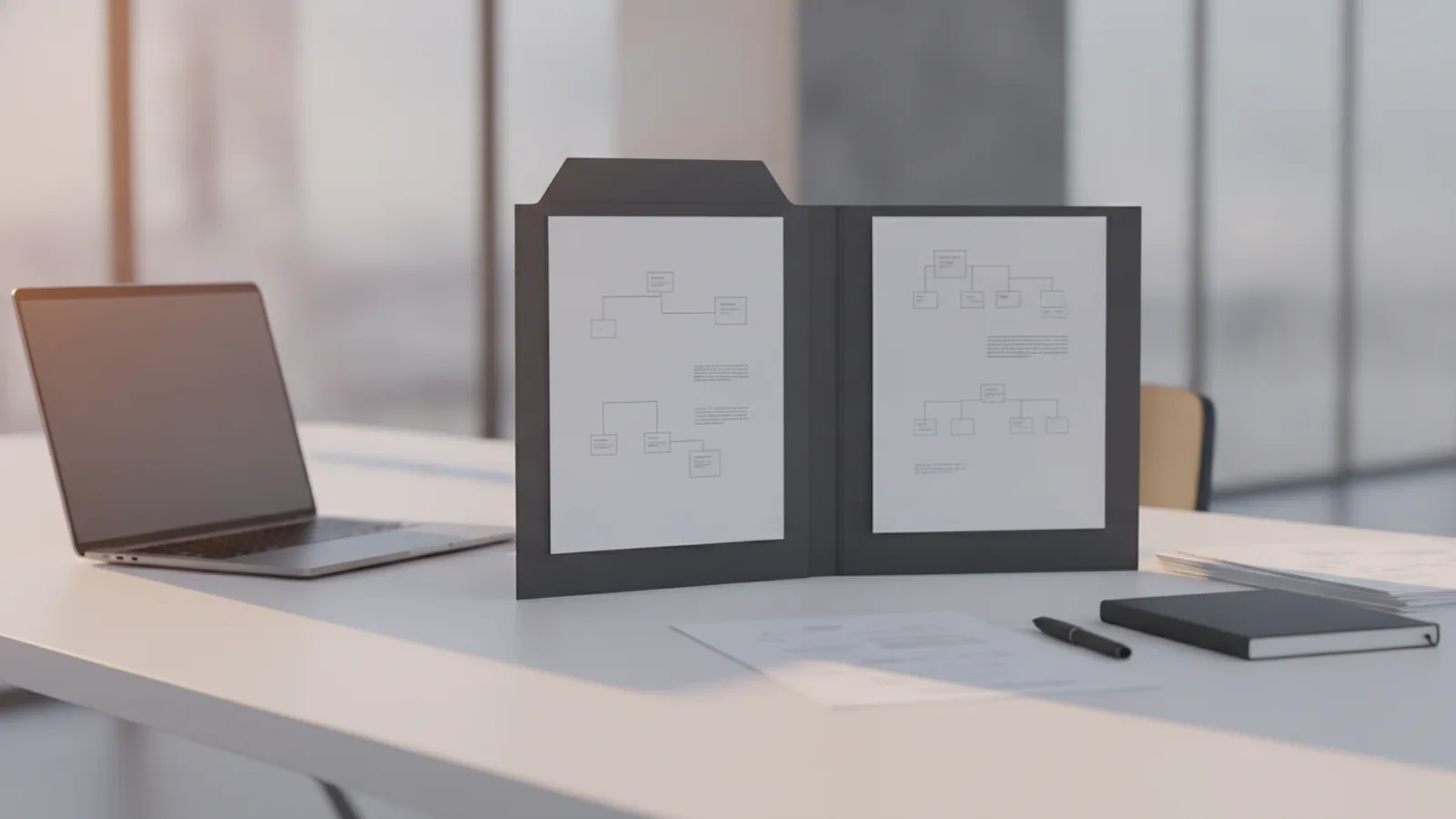
A creative brief is a document that sums up the essential facts for a design project. It helps the creative team understand what to make, why it matters, and for whom it is made. In creative brief graphic design, the brief turns a request into clear direction the designer can act on.
So, if you are asking what is a creative brief in graphic design, the short answer is this: it is the shared source of truth for goals, audience, and message. It often includes constraints like branding guidelines and design specifications. It also sets expectations for timelines and the final deliverables.
Think of the brief as a map. You can still choose the route, but you avoid wandering without a destination.
Why a creative brief exists in the design process
The importance of a creative brief shows up when projects get busy. Stakeholders have different priorities, and designers need fast clarity. A good brief reduces back-and-forth by stating what success looks like before work starts.
It also protects the creative process. Without a brief, teams often design “based on vibes” and then argue about changes. With a brief, feedback is tied to stated goals and target audience needs.
For example, imagine a brand wants a banner ad campaign. The brief can specify project goals like “increase demo signups,” plus key messages like “fast setup.” That means the designer can focus on layout and copy support, instead of guessing intent.
- Alignment: everyone agrees on goals and audience
- Speed: fewer revisions because choices are based on facts
- Consistency: outputs match the brand’s voice and rules

The key elements of a creative brief
Every team has its own format, but most elements of a creative brief cover the same core areas. If you can answer these questions, the designer can usually start without risk.
Below is a practical structure you can use as a baseline. It includes sections you will see in many briefs, like project overview, audience analysis, timelines, objectives, and deliverables.
| Section | What to include | Why it matters |
|---|---|---|
| Project overview | What the project is, scope, and desired outcomes | Prevents scope creep and unclear requests |
| Target audience | Who the work is for, plus key needs or pain points | Shapes tone, imagery, and information order |
| Project goals | How success will be measured in plain terms | Keeps design decisions tied to results |
| Key messages | Primary message and supporting points | Ensures the design supports the narrative |
| Branding guidelines | Colors, fonts, voice, do’s and don’ts | Maintains brand consistency |
| Design specifications | Sizes, formats, tech limits, and required assets | Avoids late rework from format issues |
| Timelines | Milestones, review windows, and final due date | Reduces schedule surprises |
| Objectives and deliverables | What is being delivered and in what versions | Clarifies “done” and reduces ambiguity |
Some briefs also include a competitor snapshot, a short list of references, or a “must avoid” section. Use those only when they add decision value. Too many opinions can dilute the core direction.
Who writes a creative brief
In most real-world teams, the brief is created by the people who own the request. That is often the client, a marketing lead, or a project manager. Designers typically review the brief, ask questions, and translate it into a plan.
This division matters. Clients and project managers usually know the business context, the budget limits, and the deadlines. Designers bring expertise in layout, visual rhythm, and how people read information.
Still, designers can and should help shape the brief. If something is missing, they can ask focused questions like: “Who is the decision maker?” or “What must be true after someone sees this?”
- Clients: provide goals, constraints, and success measures
- Project managers: manage timeline, scope, and reviews
- Designers: refine needs into workable creative direction
How to use a creative brief (so it actually guides design)
Knowing how to write a creative brief is only half the job. The real win comes when the team uses it during the creative process. A brief should influence early decisions, not just live in a folder.
Start by turning the brief into a short design checklist. Not a “do this, do that” list. Instead, pull out the non-negotiables and the choices. For instance, the target audience and key messages should guide hierarchy and content placement.
Then use the brief to run internal checkpoints. During concepting, ask if each idea supports the project goals. During review, tie feedback back to the stated objective. That is how you avoid subjective debates.
Here is a simple way to apply the brief across steps:
- Kickoff: confirm scope, deliverables, and review dates
- Concepting: map audience needs to layout and message order
- Design specs: validate formats before you finalize files
- Stakeholder review: compare proposals to goals and must-have messages
- Final handoff: include the versions listed in deliverables
If a stakeholder requests a change, the brief helps you respond with clarity. You can ask: “Does this change support the project goal we wrote?” If not, the team can choose between adjusting the goal or rejecting the change.
Common mistakes in creative briefs
Most creative brief problems come from missing context or vague wording. When the brief is unclear, designers spend time guessing. When it is overstuffed with opinions, stakeholders lose the ability to prioritize.
Here are frequent issues you should watch for, along with what to do instead.
- Vague goals: “Make it better” or “Improve branding.” Replace with clear project goals like “increase clicks” or “raise awareness” and a short why.
- No target audience: If you do not say who it is for, tone and hierarchy drift. Add audience needs or decision triggers.
- Conflicting messages: If key messages disagree, the design will show mixed priorities. Decide on one primary message and list only supporting points.
- Missing deliverables: Teams can finish the design but forget required formats. List output versions, sizes, and any required assets.
- Late brand rules: Branding guidelines that arrive after drafts cause churn. Share them before first concepts.
- Overly long briefs: Too much text can hide the real priorities. Put the top objectives near the start and summarize the rest.
One more mistake is skipping questions. If you are the designer and the brief is missing basics, ask early. Good questions are specific and fast, like “Which audience should we prioritize?” or “What is the approval process and who signs off?”
When the brief is solid, it supports stakeholder alignment. It also keeps the creative process focused on decisions that matter.
Frequently asked questions
- What is a creative brief in graphic design?
- A creative brief is a document that summarizes the essential facts for a design project. It gives direction on goals, target audience, and key messages.
- What should a creative brief include?
- Most briefs include a project overview, audience analysis, timelines, objectives, and deliverables. It should also reference branding guidelines and any design specifications.
- Who writes a creative brief for a design project?
- Clients or project managers usually write the brief. Designers review it, ask questions, and help clarify how to turn it into creative work.
- Why is a creative brief important?
- It aligns stakeholders early and reduces miscommunication during reviews. It also helps designers make decisions that match the project goals.
- How do you use a creative brief during design work?
- Use it to guide early concepts and to evaluate feedback. When review comments match the brief, revisions are faster and clearer.
- What are common mistakes in creative briefs?
- Common issues include vague goals, missing target audience details, and unclear deliverables. Late brand rules also cause churn during revisions.
Related reading

What Is an API, and What Does It Do?
See how APIs link apps, share data, and support common online tasks.

How Can You Represent an API in a Diagram?
Map API calls, systems, and responses with diagrams that teams can use and update.

What Is Full Stack Software Development?
See how full stack developers build and connect the parts of modern software.