What Is a JSON:API? Structure, Benefits, and Use Cases
Learn what is a JSON API, how the JSON:API spec structures links, data, and relationships, and when to use it vs other API styles.

What is a JSON API (JSON:API), really?
If you are wondering “what is a json api”, the short answer is this: JSON:API is a specification for building APIs that send and receive data in a consistent JSON shape. That consistency helps teams avoid guessing how endpoints should look. The phrase “is json an api” comes up often, because JSON is the data format, while JSON:API defines the API rules around it.
More specifically, the json api specification describes how to represent resources, how clients should request them, and how the server should respond. It also defines common patterns for errors, links to related resources, and how relationships are included. This makes it easier to swap services or build multiple clients.
JSON:API is often used with RESTful APIs over HTTP requests and responses. You still design endpoints and choose HTTP methods, but you standardize the data interchange format and response structure.

How a JSON API structures responses and relationships
The core idea is simple. A JSON:API response is centered on three parts: links, data, and relationships. These show up together to help clients understand both the content and the context. The result is less “custom parsing” in every client.
data holds the primary resource(s) the request is about. For a single item, it is an object. For a list, it is an array.
relationships connect one resource to others. They can point to related resources without forcing every response to include everything. Clients can later follow links to fetch related data.
- Links point to related endpoints, navigation paths, or pagination targets.
- Data contains the resource identifiers and included fields.
- Relationships describe how resources relate to each other.
Here is a small, realistic example response shape for a primary resource. Notice the repeated “resource identifier” pattern and how related pieces are referenced.
| Field | What it means |
|---|---|
| data | The primary resource or list of resources |
| relationships | Connections to other resources, by identifier and link |
| links | URIs for next page, related resource, or self |
JSON:API also supports an included section in many cases. When the server returns it, the client can reduce extra HTTP round trips. That is part of how efficiency in data retrieval improves in real applications.

Why teams use JSON:API for cleaner API design
The biggest value is operational. JSON:API promotes a shared set of conventions, so different teams do not invent slightly incompatible formats. This reduces confusion when client teams integrate new services. It also lowers the maintenance cost of multiple client apps.
JSON:API is designed to simplify the API design process. Instead of writing every endpoint response “from scratch”, you follow the spec’s patterns for resource identifiers, links, relationships, and error shapes. That predictability makes code generation and shared client tooling more practical.
It also targets common performance and usability needs. The spec supports pagination for list endpoints. It also supports sparse fieldsets, which let clients request only the fields they need. Together, these reduce payload size and speed up typical UI screens.
- Use pagination links to move through long lists.
- Ask for only needed fields with sparse fieldsets.
- Include related data when it avoids extra requests.
Another important part is media type identity. JSON:API uses the MIME type application/vnd.api+json. This helps clients and servers clearly recognize the contract, not just the fact that the body is JSON. It supports more reliable API routing and better interoperability.

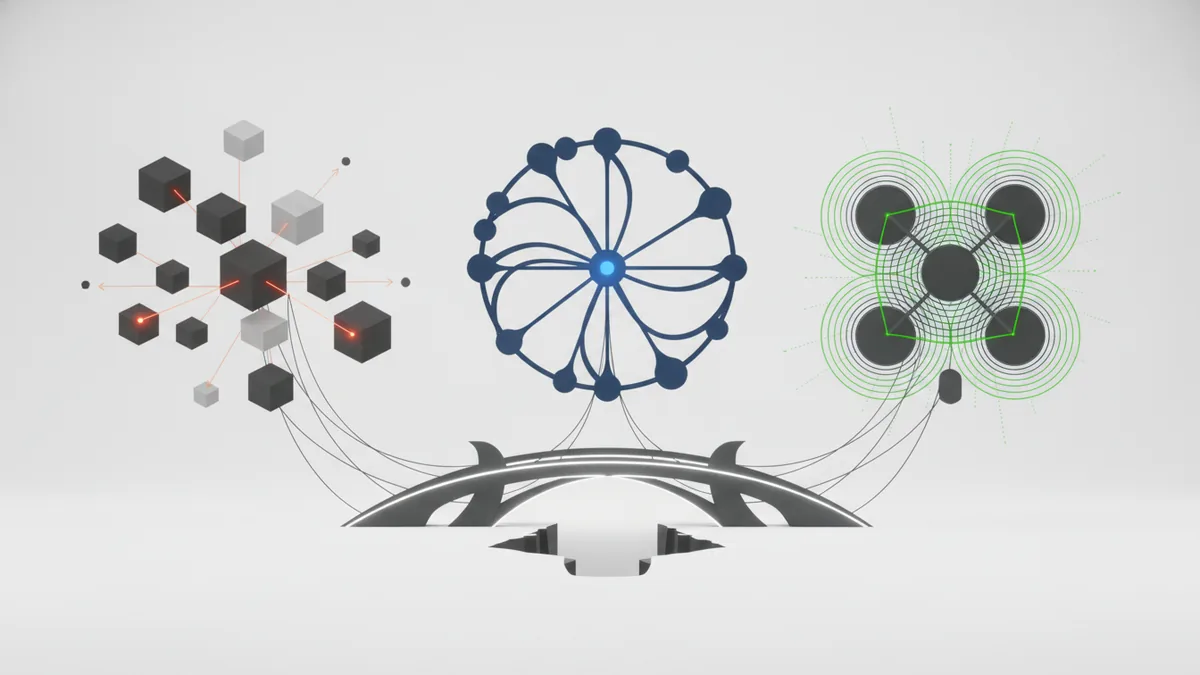
JSON:API vs other APIs (REST, GraphQL, and custom JSON)
It helps to separate “RESTful APIs” from “JSON:API”. REST is an architectural style that uses HTTP methods and resource-oriented URIs. JSON:API is a data and interaction contract for how your JSON should be shaped.
Compared with many custom RESTful APIs, JSON:API reduces surprises. In custom designs, you often see inconsistent naming, different relationship formats, and non-standard error handling in APIs. With JSON:API, you can rely on shared conventions for relationships, linkage, and document structure.
Compared with GraphQL, JSON:API is simpler. GraphQL lets clients choose fields in a query language, while JSON:API uses sparse fieldsets and include patterns within HTTP requests and responses. You trade some query flexibility for a more standard REST-style workflow.
Compared with “plain JSON” APIs, JSON:API adds meaning. Plain JSON might include nested objects for everything, which can grow large and force heavy responses. JSON:API pushes you to represent related resources through relationships and links, so clients can fetch efficiently.
| Approach | What you get | Typical trade-off |
|---|---|---|
| Custom JSON REST | Freedom to design anything | Inconsistency across teams and clients |
| JSON:API | Standard shapes for data, links, and relationships | Initial learning of the spec |
| GraphQL | Client-selected fields per query | Different tooling and request flow |
Common use cases for JSON:API in production
JSON:API fits best when you have multiple clients and multiple data models that need stable contracts. Examples include admin dashboards, mobile apps, and partner integrations. In these cases, shared conventions help you keep client-server interactions predictable.
It also works well for systems with rich relationships. Think of a catalog where products link to categories and images, or a content system where articles link to authors and tags. The relationships structure makes it clear how to navigate the graph of related resources.
Pagination and sparse fieldsets are especially useful for lists and search results. If your product list screen shows 20 items but the full resource includes many heavy fields, JSON:API lets clients request lighter responses. That is a direct win for response size and perceived speed.
For error handling, JSON:API defines a standard error document shape. That means clients can handle failures consistently, even when different endpoints fail for different reasons. It reduces the number of ad hoc branches in client code.
- Content platforms that need consistent resource and relationship modeling
- Multi-client apps where web, mobile, and partner clients share one contract
- Catalog and directory data where lists need pagination and selective fields
- Integration layers that benefit from predictable linkage patterns
One practical approach is to start with a small set of endpoints. Pick a resource with clear relationships, like “articles” linking to “authors”. Then implement relationships, links, and included data. After that, add sparse fieldsets for the most common list and detail screens.
Conclusion and what comes next for JSON:API
So, what is a json api in one sentence? JSON:API is a specification that standardizes how APIs exchange resource data in JSON, with links, data, and relationships as the backbone. It helps make API design more consistent across teams, which improves maintainability.
It also supports efficiency wins. Pagination reduces list overload. Sparse fieldsets reduce payload size. Included related data reduces extra HTTP requests when screens need multiple resource types together.
Finally, JSON:API makes contracts easier to identify and share. The media type application/vnd.api+json clearly marks the format. That identity plus the shared conventions makes client-server interactions more reliable as your API grows.
If you are building an API from scratch, JSON:API is worth considering when consistency and predictable client behavior matter. If you already have a working custom REST API, you can still borrow specific ideas, like relationship linkage and field selection, without fully changing your stack.
Frequently asked questions
- What is a JSON API?
- JSON:API is a specification for building APIs that exchange resource data in a standard JSON shape. It standardizes how you represent data, links, and relationships.
- Is JSON an API?
- No. JSON is a data format. JSON:API is the API specification that defines how JSON should be structured for API responses.
- What makes JSON:API different from typical REST APIs?
- REST describes HTTP-based resource design. JSON:API adds shared rules for response format, relationships, linkage, and error documents.
- How does JSON:API help with efficient data retrieval?
- It supports pagination and sparse fieldsets to cut payload size. It can also return related resources via includes to reduce extra requests.
- What is the media type for JSON:API?
- JSON:API uses the MIME type application/vnd.api+json. It helps clients and servers clearly identify the contract format.
- How does JSON:API handle errors?
- It defines a standard error document structure. This makes client-side error handling more consistent across endpoints.
Related reading

How to Develop an API: A Practical Development Process
A practical api development process: plan, design, build, test, deploy.

Is Ecommerce Growing, and Why Does It Matter?
Learn what drives ecommerce growth and where online stores can stumble.

What Is a Headless API, and How Does It Power eCommerce?
See how headless APIs link flexible storefronts with eCommerce back ends.