History of Graphic Design: Key Milestones & Movements
What is the history of graphic design? Learn key milestones from ancient visual marks to printing, major art movements, branding, and digital tools.
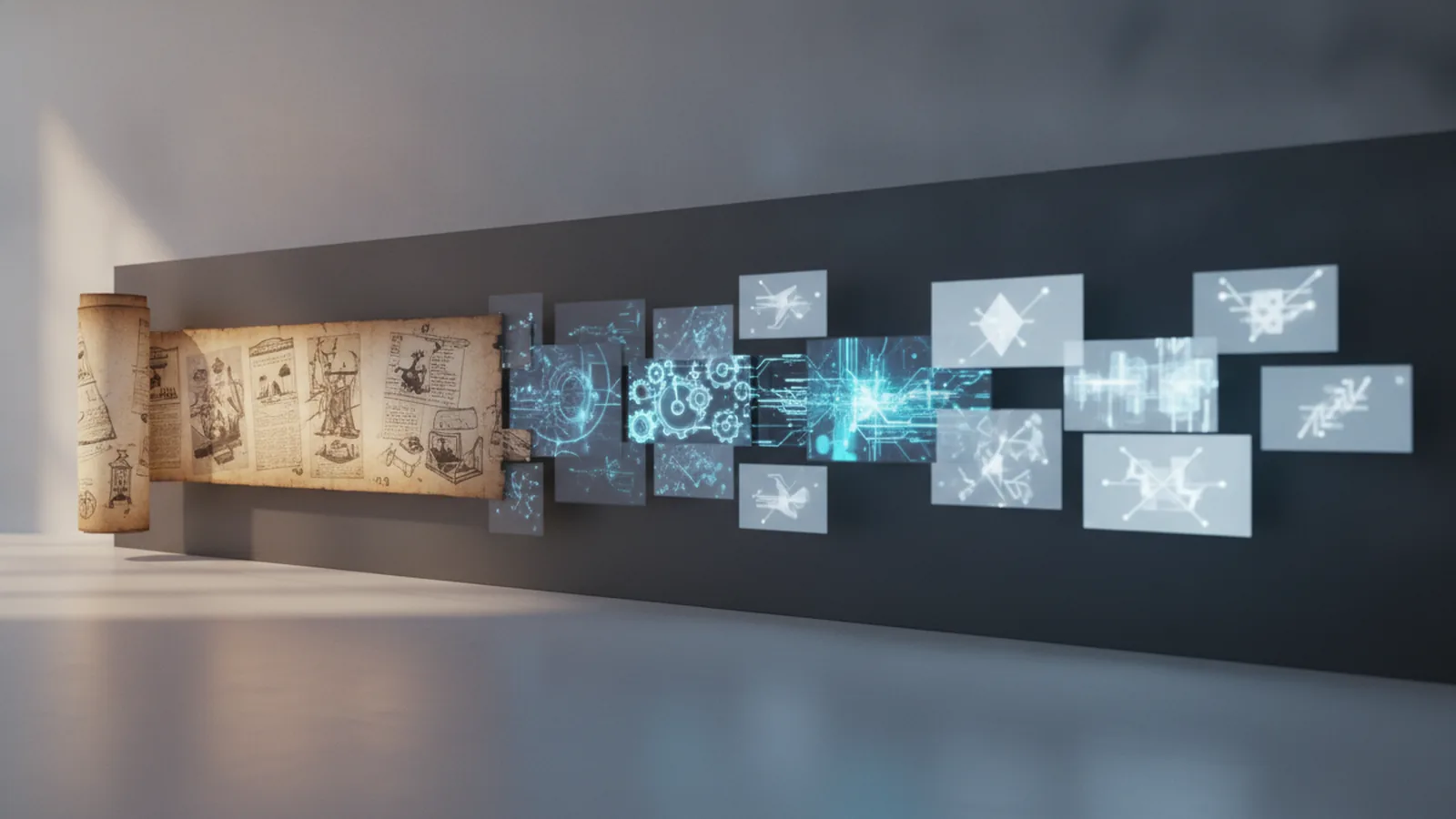
Evolution of graphic design
What is the history of graphic design? It is how images and layout helped people share ideas. Over time, tools and needs changed what designers made. The field grew from marks on walls to full brand systems.
This is the big story behind the history of graphic design. First, people used symbols and pictures to store meaning. Later, print spread images faster. Then, art movements set new style rules.
Next, businesses asked for clear and steady visuals across many products. That is where branding and identity became a major driver. Today, the development of graphic design also tracks fast new tech. It includes the shift from paper to screens.
- Visual communication starts as marks and symbols.
- Print scales books, ads, and posters.
- Movements shape look and layout rules.
- Branding makes design repeatable.
- Digital tools widen who can create.
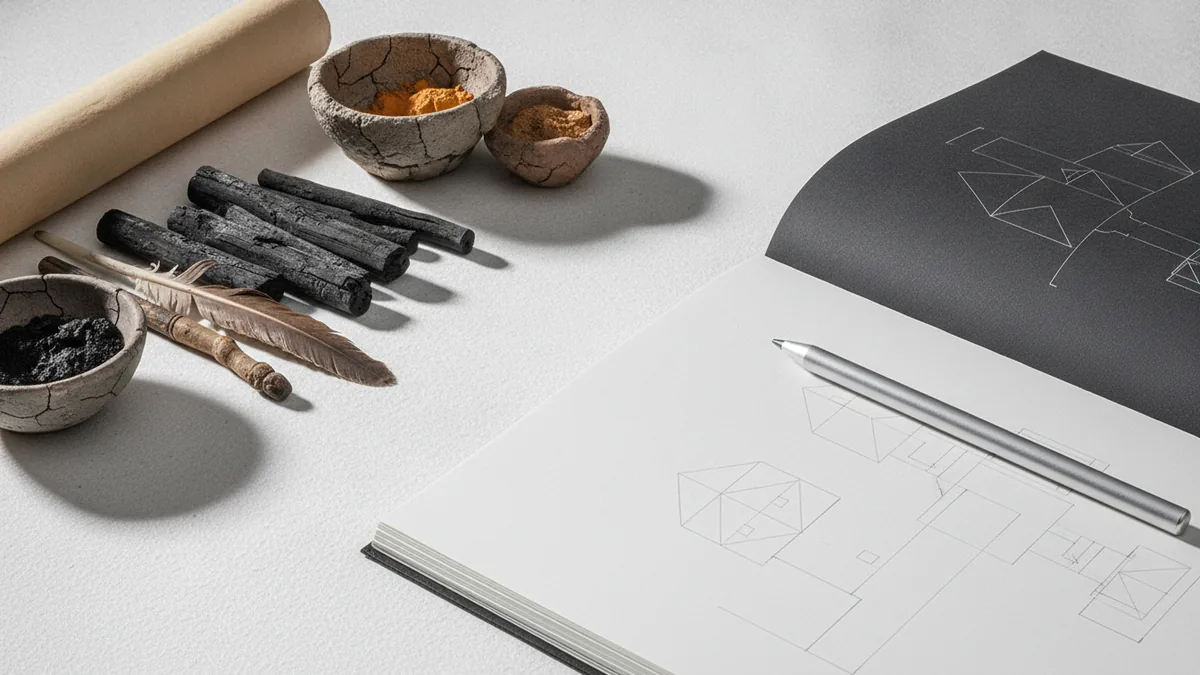
Early forms of visual communication
Graphic design traces back to ancient life and early records. Cave paintings show scenes with animals and people. They also use repeated shapes for focus. Those images helped viewers share a shared story.
In ancient Egypt, hieroglyphs used symbols to carry meaning. They were not “graphic design” as we define it today. Yet they still needed spacing and clear order. That is a real layout skill.
Coins, mosaics, and wall art also worked like small image systems. They showed rulers, places, and shared beliefs. You could spot patterns across time and places. This repeats later in branding and identity work.
| Era | Visual format | What it did |
|---|---|---|
| Prehistory | Wall art and carved marks | Shared tales and local records |
| Ancient times | Hieroglyphs and pictorial signs | Structured reading and memory |
| Classical eras | Coins and public murals | Authority cues and civic feel |
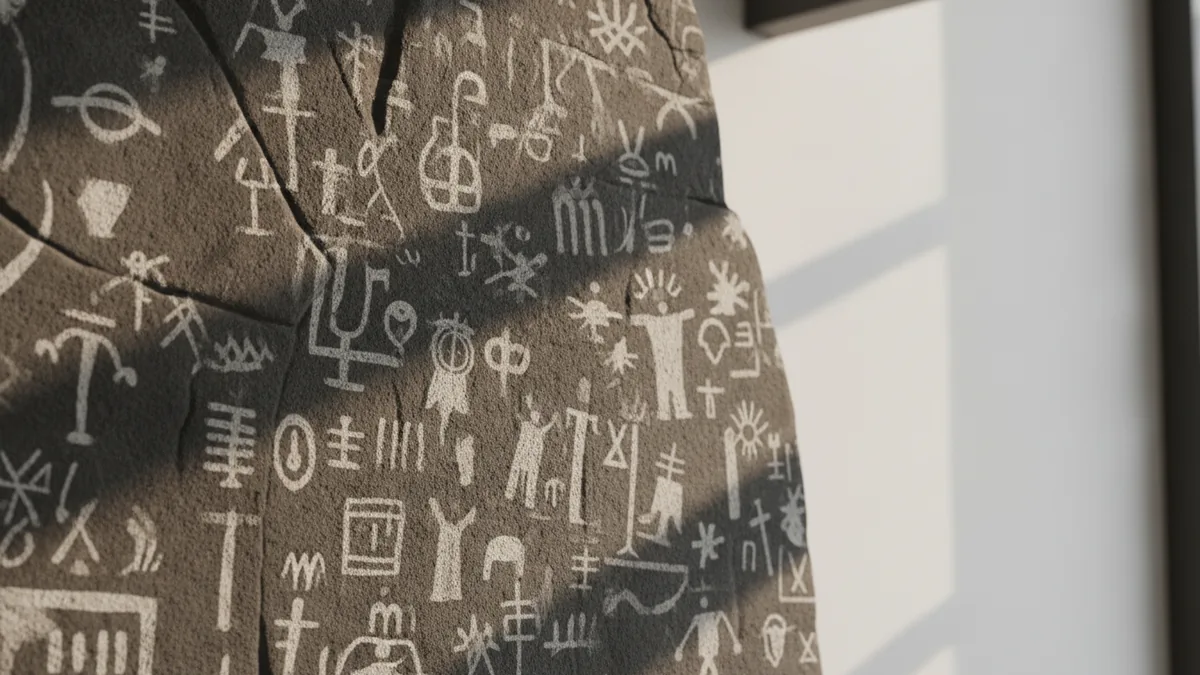
How printing changed graphic communication
The printing press in the 15th century changed everything. Before print, copying texts took lots of time. Images were also hard to reuse at scale. Then printed works spread more widely.
This shift raised the value of good page design. Printers had to plan type, spacing, and images. A book page had to stay neat across many copies. That pushed better layout habits.
Printed ads, posters, and flyers also grew in impact. In big social moments, printed images spread new ideas fast. This helped shape both art choices and business needs. It also boosted demand for clear visual order.
One more effect was simple: more people saw more designs. That fed new tastes and higher viewer skills. Designers had to keep up.
- More copies: print made repeats faster.
- More reach: readers beyond one town grew.
- More repeat: layout could match every time.
- More demand: publishers needed ready visuals.
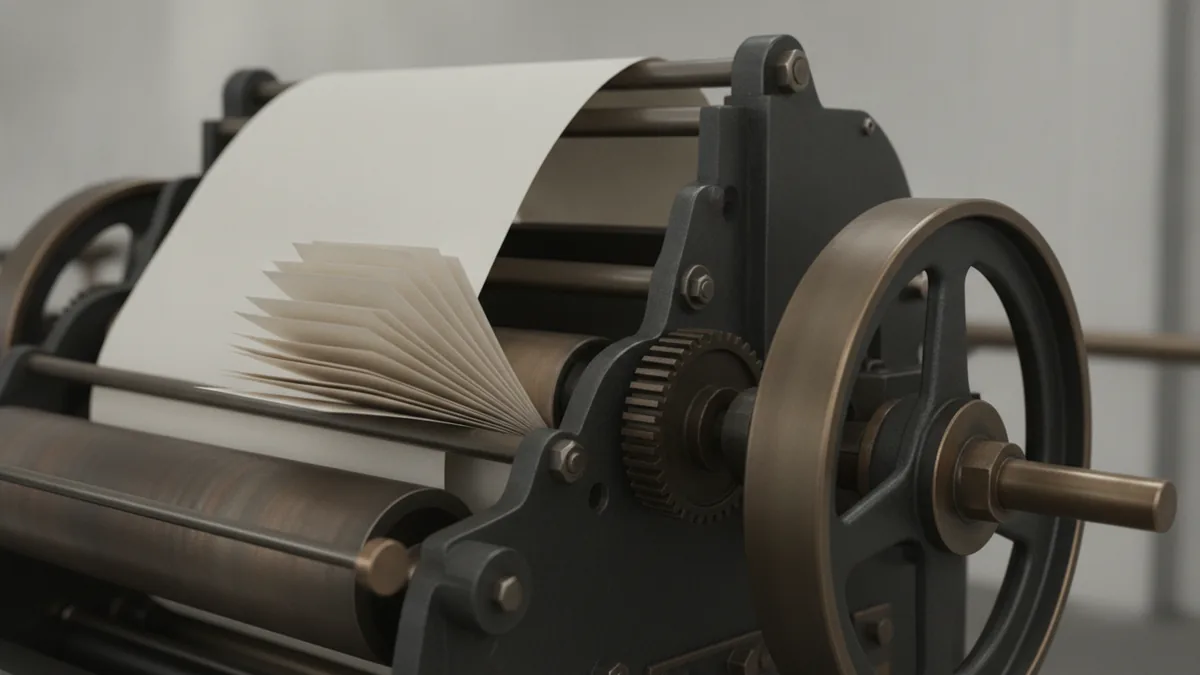
Key art movements that shaped modern design
Modern graphic design did not arrive all at once. It grew through art and design movements. These groups tested new looks and new rules. They also linked form to real life needs.
Art Nouveau used flowing lines and plant-like shapes. In posters, it made type feel more lively. It also tied text and art into one look. That sense of motion still shows up today.
The Bauhaus pushed a different focus. It put function first and used simple form. Designers used grids and basic shapes to bring order. This helped set rules for clean layout.
Art Deco then added bold shapes and sharp contrast. It often used shiny, polished style choices. In print, it made visual hierarchy feel bold and clear. Many modern event looks still borrow this energy.
These movements did more than change style. They built common design logic for later work.
| Movement | Look choices | Design impact |
|---|---|---|
| Art Nouveau | Curves and ornate detail | More expressive poster style |
| Bauhaus | Grids and plain shapes | Systems thinking for layout |
| Art Deco | Geometry and bold contrast | Clean hierarchy with glam feel |
The rise of graphic design as a profession and tool for branding
As industry grew, companies needed steady visuals. They wanted the same look across many items. That is where branding and identity became key. It helped people spot a brand in seconds.
Early design groups also helped make this work official. In the early 1900s, workshops and studios linked art with making things. One example is the Wiener Werkstätte. It helped shape a more skilled design culture.
This move mattered for the development of graphic design. It turned design into a paid role. It also tied design to real production needs. As a result, clients learned to ask for design systems.
Typography also became a core tool. Designers treated type as more than labels. They used size and spacing to guide the eye. That method now powers both print pages and web screens.
- Identity systems kept visuals steady across uses.
- Agencies made design a clear service.
- Typography built hierarchy and rhythm.
- Links to making kept design realistic.
The digital revolution and expanding access
The digital era reshaped graphic design with speed. Computers made edits easier and faster. A designer could try new layouts without starting over. This cut the time from idea to draft.
Digital design tools also helped reuse parts. Icons and color rules could stay the same across projects. That improved consistency for both small brands and big teams. It also supported more formats beyond paper.
Now designers plan for many screen sizes. They also consider motion and user flow. That means design is not only “page art.” It is also part of how a product feels.
Digital tools also widened who could create. More people could learn software and publish results. That echoes the earlier printing press effect. More access changed the whole look of public media.
- Faster edits: change layout without redoing everything.
- Reusable assets: keep icons and styles in sync.
- Multi-format design: adapt one system to many devices.
- Wider access: more creators can ship work.
Future trends in graphic design
Future trends will blend new tech with old design rules. Expect more help for early layout ideas. Yet final calls on meaning will stay human. Clear taste and clear goals still matter most.
Accessibility is likely to grow as a default need. Designers must think about contrast and readable sizes. Clear design helps more people. It also lowers the risk of confusion.
Another trend is design systems for content. Teams will build rules that can adapt to new posts and pages. That keeps the brand steady even when content changes. It continues the branding and identity idea with more flexibility.
Finally, design will respond to fast media cycles. Great work still has strong hierarchy. It also has a simple message that fits any format.
- Accessibility-first choices become routine.
- Design systems adapt across channels.
- Quicker workflows support more testing.
- Clear hierarchy keeps things easy to scan.
Short timeline: key milestones at a glance
Here is a quick view of the what and when in the history of graphic design. Use it as a memory map. It picks key moments where tools or rules shifted. Each step set up the next era.
| Milestone | Main change |
|---|---|
| Ancient marks | Cave art and hieroglyphs built early visual communication. |
| 1922 | The term “graphic design” entered common use. |
| 15th century | The printing press spread literature and images faster. |
| Early 1900s | Studios and agencies professionalized design work. |
| Modern digital era | Digital design tools sped output and expanded formats. |
This story repeats often. New tools and new needs push design to grow. Styles shift too, guided by art and by what viewers trust.
FAQ: history of graphic design
Note: These answers cover common questions from readers searching “what is the history of graphic design.”
- Q: What is the history of graphic design?
A: It spans early visual marks, print growth, art movements, branding systems, and digital tools.
- Q: When did the term “graphic design” first appear?
A: It is often dated to 1922, which helped name the field as its own practice.
- Q: How did the printing press affect graphic design?
A: It made books and printed images easier to share. That raised demand for clear type and layout.
- Q: Which art movements influenced modern graphic design?
A: Art Nouveau, Bauhaus, and Art Deco are key examples. They shaped how designers used ornament, grids, and bold form.
- Q: Why is branding important to the history of graphic design?
A: Branding and identity turned design into steady rules. Logos, type, and color stayed consistent across many uses.
- Q: How did digital tools change the field?
A: Digital design tools made edits faster and reuse easier. They also expanded formats beyond print.
Frequently asked questions
- What is the history of graphic design?
- It traces how people used images and symbols for communication, then evolved through print, major art movements, branding, and digital tools.
- When did the term “graphic design” first appear?
- The term is commonly dated to 1922, which marked a major step in naming the field as its own practice.
- How did the printing press affect graphic design?
- It made books and printed images easier to distribute, which increased demand for clearer typography and consistent page layout.
- Which art movements influenced modern graphic design?
- Art Nouveau, Bauhaus, and Art Deco are widely referenced. Each contributed distinct ideas about style and structure.
- Why is branding important to the history of graphic design?
- Branding and identity created repeatable visual rules, turning graphic design into a structured part of business communication.
- How did the digital revolution change graphic design?
- Digital design tools sped up editing, improved reuse of assets, and expanded formats beyond print into screen and motion.
Related reading

Is Ecommerce Growing, and Why Does It Matter?
Learn what drives ecommerce growth and where online stores can stumble.

What Is a Headless API, and How Does It Power eCommerce?
See how headless APIs link flexible storefronts with eCommerce back ends.

What Does SaaS Stand For in Business?
Learn what SaaS means, how it works, and why businesses use it.