UI/UX Designer Guide: Roles, Skills, Salary & Career Paths
Learn what a UI/UX designer is, what they do, required skills, typical salary ranges, and how to become one with a strong portfolio.
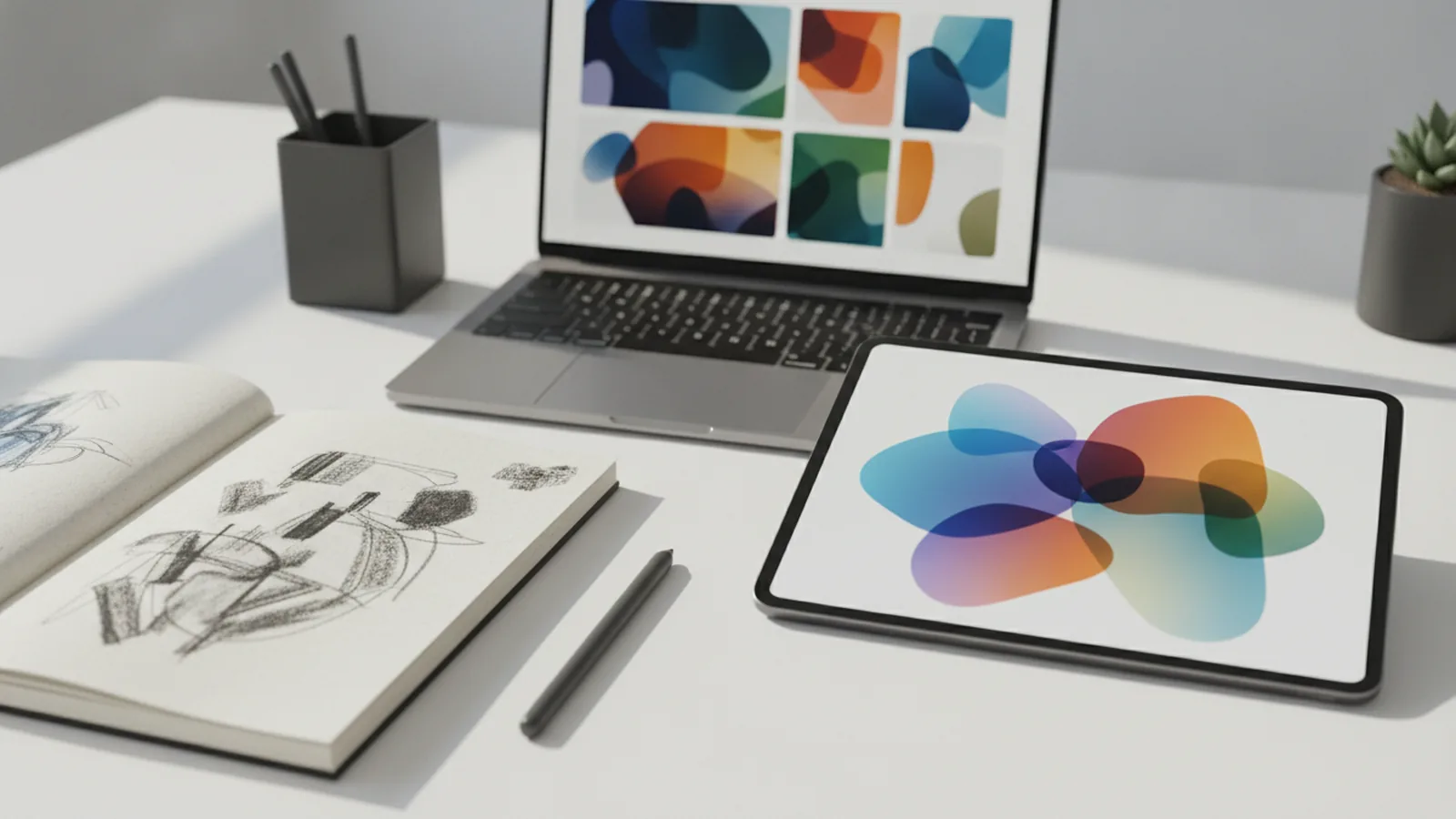
What “UI/UX designer” means (UI vs UX)
If you’re asking “what is a ui ux designer,” the simplest answer is this. A UI/UX designer helps people use a product smoothly and feel good about it. The work usually covers both the user interface (UI) and the user experience (UX).
UI focuses on the visual part of a product. That includes layout, typography, colors, component styles, and states. UI design is about clarity and consistency on screens.
UX focuses on the whole interaction and satisfaction. That includes how a person discovers features, completes tasks, and avoids confusion. UX design is about making the journey make sense from start to finish.
In practice, UI and UX designer roles often overlap. One person may handle visual design and also plan flows. Other teams split the work, with separate specialists for visual design and research. Both models are common in product teams.
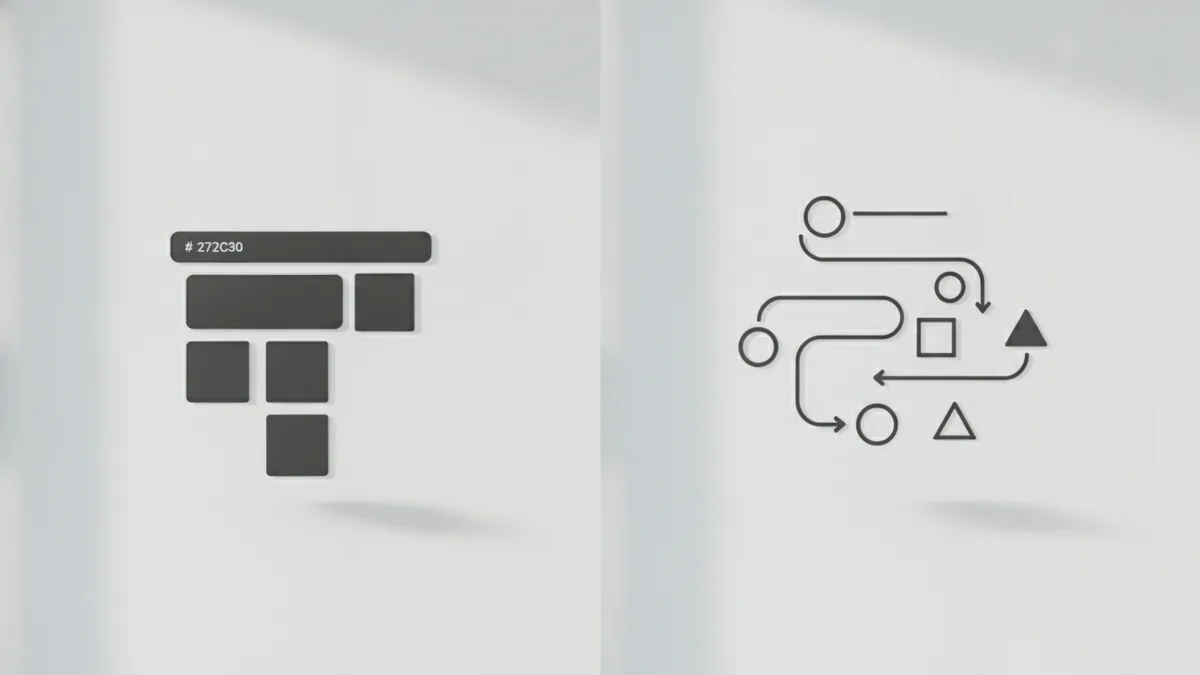
UI/UX designer roles and responsibilities
When people ask “what does a ui ux designer do,” they usually mean day-to-day tasks, not job titles. A UI/UX designer typically turns user needs into designs that work in the real world. They also coordinate with product, engineering, and sometimes brand teams.
Here are responsibilities you’ll often see across “ui ux designer roles and responsibilities.” Some projects lean more visual, while others lean more research and testing.
- Understand users and goals: study how people behave, then translate findings into design decisions.
- Design user journeys and flows: map steps for common tasks and reduce friction.
- Build UI layouts: apply visual design to screens and components with clear hierarchy.
- Create wireframes and prototypes: sketch structure, then test ideas with clickable flows.
- Run user research and testing: use user testing to find what confuses people.
- Support handoff to engineering: provide specifications, interaction notes, and design rationale.
Teams may also expect knowledge of information architecture, such as how content and navigation are organized. Many also expect some skill in interaction design, like how elements respond to taps, scrolling, or errors. The goal stays the same: designs that are usable, accessible, and valuable.
Good designers can explain their choices. They can point to user research, constraints, and design principles. That makes their work easier to review, build, and improve.
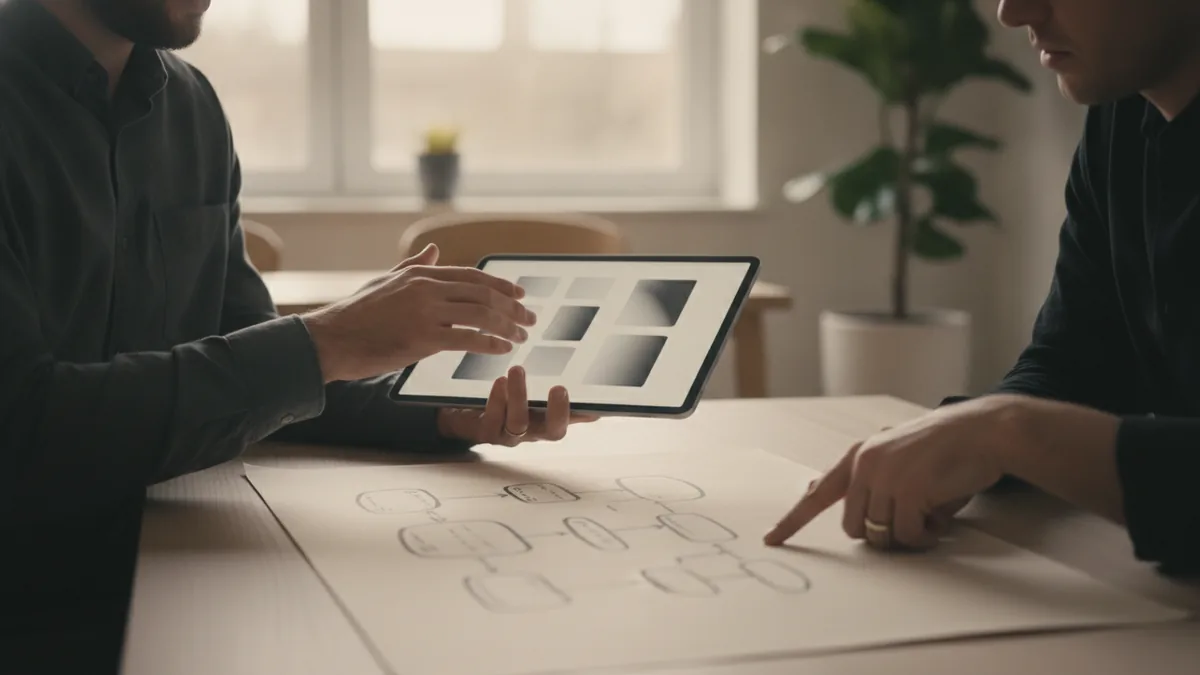
Core skills you need to design UI and UX
To understand “what is ui ux designer” work, you need to know the skill mix. It is not only visual taste. It is also research thinking, structure, and testing discipline.
Design and software skills matter first. You’ll need to be productive in common design software. Many roles use tools like Figma or similar platforms for components, styles, and prototype interactions.
Research and testing skills are a big part of UX. You should know how to plan user research, recruit or choose participants, and write clear tasks. You should also understand user testing basics, like how to observe confusion and measure success.
Design principles and UX craft tie it all together. You’ll use design principles to create readable layouts and predictable interactions. You’ll also use wireframing to explore structure early, and prototyping to validate ideas faster.
- Wireframing: quick, low-detail layouts for flows and screen structure.
- Prototyping: clickable demos to test interaction and wording.
- User research methods: interviews, surveys, and usability testing.
- User research synthesis: turn notes into themes and actionable insights.
- Visual design: typography, spacing, color, and component consistency.
- Interaction design: micro-interactions, states, and error handling.
- Information architecture: navigation and content organization.
If you’re wondering “how to be a ui ux designer,” focus on this blend. Learn the tools, then practice using them for real problem-solving. Build work that shows thinking, not just screenshots.
How much does a UI/UX designer make?
Salary questions are common, and “how much does a ui ux designer make” depends on location and experience. It also depends on the company type and the job scope. Some roles are more visual and may pay differently than UX research heavy jobs.
Across many markets, salaries for UI/UX designers can vary widely. A common range you’ll hear for the U.S. is around $57,000 to over $100,000. Senior roles, strong portfolios, and specialized experience can push beyond that upper level.
Your salary may also change with role emphasis. A designer who can lead UX research and run user testing may qualify for higher bands. A designer who only refines visual polish may start lower, unless paired with strong UX work.
When you compare offers, look beyond base pay. Consider benefits, remote pay adjustments, and contract terms. Also check whether the role includes ownership of research, prototyping, and iteration.
| Factor | How it affects pay |
|---|---|
| Experience level | Junior roles pay less, senior roles pay more |
| Location | Major tech hubs often pay higher |
| Design scope | Research-led work can increase compensation |
| Portfolio strength | Clear outcomes often lead to better offers |
| Team model | Specialists may earn differently than generalists |
If you want “how much does a ui ux designer make” to be accurate for you, track job posts in your area. Compare requirements and the seniority language used. Then map your current skills to what employers ask for.

How to become a UI/UX designer (step-by-step learning plan)
For “how to become a ui ux designer,” the key is building evidence fast. Employers want proof you can solve problems with users and shipable designs. That means practice, feedback, and a portfolio that tells a clear story.
Education paths vary. Many people use formal degrees in design or related fields. Others take online courses and then build projects to gain real experience. Bootcamps specializing in UI/UX design can also help, especially if they include mentorship and portfolio reviews.
- Learn the basics of UI and UX: study design principles, layout systems, and interaction patterns.
- Get fluent with design software: build components, styles, and prototypes you can iterate quickly.
- Practice wireframing: design flows for a real problem, even if it’s a simple app concept.
- Prototype and test: run small usability tests to see where users get stuck.
- Refine using feedback: revise screens, flows, and microcopy based on observed issues.
- Publish a strong portfolio: show process, not only final screens.
- Apply with targeted resumes: match your project outcomes to the job posting scope.
If you’re learning and you keep wondering “how to become ui ux designer with no experience,” start with projects you can explain. Choose one task like onboarding or checkout and redesign it with testing. Then write a case study that covers the problem, your assumptions, your tests, and your results.
Your portfolio should include wireframes, prototypes, and research notes when possible. Even small tests help. A short usability study with five participants can be enough if you act on it.
Career paths and opportunities in design
Once you can ship quality designs, you can shape your career path. Some designers grow into product roles, while others deepen their craft through specialization. There are also hybrid roles for people who enjoy both UI polish and UX research.
Common career paths in design include moving from junior UI/UX designer to roles like mid-level product designer. From there, you may lead design teams, mentor designers, or own design strategy. Some also move into UX research, design systems, or accessibility-focused work.
You can also expand your scope by working with adjacent teams. Designers who collaborate closely with engineers often gain faster feedback loops. Designers who collaborate with marketing teams can improve how messaging supports the experience.
- Product design: broader ownership across flows, UI, and iteration.
- UX design: heavier focus on journeys, research, and testing.
- UI design: deeper focus on visual design and component systems.
- Design systems: build reusable components and consistent patterns.
- UX research: lead discovery and validate product assumptions.
- Accessibility design: improve usability for more people.
The best opportunities often come from a track record of outcomes. Quantified improvements are helpful, like higher task success rates after redesign. Even without metrics, you can show reduced errors or clearer flows through testing.
Common questions about UI/UX design
Is UI/UX the same as graphic design? No. Graphic design focuses on visuals and layout for communication. UI/UX design focuses on usability, interaction, and user satisfaction.
What is a UI/UX designer role in a team? They translate user needs into designs that work across screens and flows. They also help teams agree on what to build and why.
What does a UI/UX designer do day to day? They research, sketch flows, create wireframes, prototype interactions, and run user testing. They also refine UI, document decisions, and support engineering handoff.
How to be a UI/UX designer if you like both visuals and research? Choose projects that include testing plus visual iteration. Your case studies should show both: what people did and what you changed.
What UI skills matter most early? Start with layout, type, spacing, and states. Then add interaction behavior and error handling. Finally, build research habits so your designs are not just “prettier.”
What should you include in a portfolio? Include problem statements, design process, and prototypes. Add research notes or test results when you can. Employers want to see how you think, how you iterate, and how you improve outcomes.
Frequently asked questions
- What is a UI/UX designer?
- A UI/UX designer helps people use a product effectively and feel satisfied doing it. The work covers both user interface visuals and overall user experience.
- What does a UI/UX designer do day to day?
- They plan flows, create wireframes and prototypes, and test with real users. They also refine UI details and support handoff to engineering.
- How much does a UI/UX designer make?
- Salaries vary by location and experience. In many markets, they often fall around $57,000 to over $100,000.
- How to become a UI/UX designer with no experience?
- Start with small, testable projects and write case studies about your process. Include wireframes, prototypes, and at least basic user testing results.
- How long does it take to become a UI/UX designer?
- It depends on your schedule and feedback access. Many learners can build a job-ready portfolio in a few months of focused work.
- What should be in a UI/UX portfolio?
- Show problem framing, your design process, and prototypes. Include user research or usability testing notes when possible.
Related reading

UX/UI Designer Roles, Skills, and Salary Expectations
What does UX/UI mean? Roles, skills, and salary ranges for UX and UI designers.
What Is UI vs UX? Key Differences, Roles, and Careers
UI vs UX explained: what they are, how they differ, and how the process works.

How Can You Represent an API in a Diagram?
Map API calls, systems, and responses with diagrams that teams can use and update.